
Listen to this post: Are Global Anti-Corruption Campaigns Actually Working?
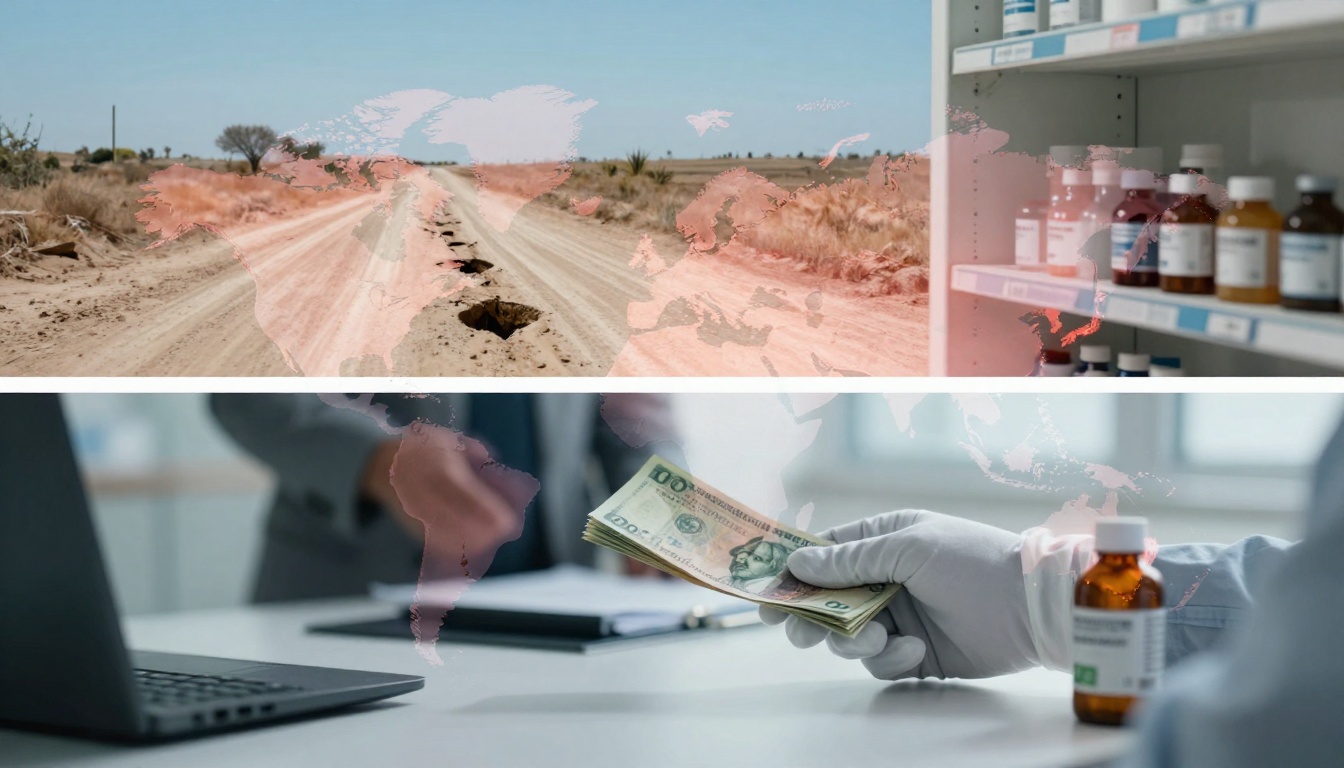
Picture a village road that never gets fixed. The budget vanishes into thin air, leaving potholes and dust. Or a builder who slips cash to an official for a quick permit, while honest bids sit ignored. In a hospital, medicines run short because someone pocketed the funds. Corruption hides in these daily frustrations: it’s the abuse of public power for private gain.
Global campaigns promise change. Groups like Transparency International push laws, track funds, and shame bad actors. But do these efforts shift reality on the ground? Or do they just tweak rules on paper? The Corruption Perceptions Index tells a stark story. Its global average sits at 43 out of 100, stuck there for years despite all the noise. Few countries budge, and most stay mired below 50.
How we can tell if anti-corruption campaigns are working (and what ‘working’ even means)
Success hinges on clear yardsticks. Does bribery drop in markets? Do courts convict more crooks? Do stolen funds return to treasuries? Public services run smoother without grease payments. Whistleblowers speak up safely. People trust judges again.
Yet metrics often blur the picture. The Corruption Perceptions Index gauges views from experts and firms on public sector graft. It scores nations from 0 (highly corrupt) to 100 (clean). Over two-thirds of countries fall below 50. Just 28 out of 180 improved over the past 12 years; 34 worsened, and 118 stalled.
Other tools add colour. Bribery surveys count how often people pay up for services. Prosecution tallies track court wins. Asset recovery logs clawed-back cash. Foreign bribery enforcement, like the US Foreign Corrupt Practices Act or UK Serious Fraud Office cases, spots multinational scams. For full details on global trends, check Transparency International’s publications.
These scorecards help. Denmark tops at 90; South Sudan bottoms at 8. But they mix perceptions with hard facts. A rising score might signal better reporting, not less crime.
Photo by Vincent M.A. Janssen
Numbers trick us too. More probes mean more reports at first. A cleaner press airs dirty laundry that once stayed hidden. Paper reforms shine: new laws pass, agencies form. Real change demands bite. Courts must stand alone. Witnesses need shields. Audits hit routine.
Take a nation that enacts tough statutes. Elites still dodge jail through loyal judges. Prosecutions fizzle. The index might tick up from hype, but streets see no shift. Better detection looks like failure until convictions follow.
Where global anti-corruption efforts are clearly helping, and why those wins happen
Targeted pushes yield results. Cross-border teams smash big schemes. Firms tighten compliance to dodge fines. New tools flag risks early. These gains stem from shared intel, stiff penalties, and practical guides.
Recent years pile up hefty foreign bribery fines. Settlements span nations, splitting proceeds. The UK Serious Fraud Office nails deals once buried abroad. This hikes costs for globe-trotting firms. Hiding payoffs across borders grows tough. Patterns show deterrence at work: fewer bold risks.
For insights into 2026 risks amid US shifts, see anti-corruption risk analysis.
Prevention sharpens too. The UK’s 2025 strategy taps AI for swift scans. It flags suspect patterns fast. Five Eyes allies issue red-flag guides on foreign bribes. Spot inflated consultant fees. Catch hidden middlemen. Note rushed contracts or odd invoices.
Business buyers benefit. Procurement teams check agents deeper. Firms train staff on pressure tactics. Due diligence blocks bad partners upfront. These steps cut graft before it roots. Compliance saves reputations and wallets.
Why corruption still feels ‘sticky’, the gaps campaigns struggle to close
Global scores flatline at 43. Enforcement wobbles. Politics meddles. Courts bend. Laundering pipes stay open. Campaigns chip away but miss the core in too many spots.
Prosecutions lag in key places. The Netherlands offers a case: scant foreign bribery convictions despite probes. Years pass with slim sanctions. Networks sense low odds. Small fry face heat; whales swim free.
Selective justice breeds doubt. Officials chase easy targets. Power brokers pull strings. This pattern lets rot fester. For UK trends, explore Chambers’ Anti-Corruption 2026 guide.
Big players’ pivots ripple out. US enforcement cools, trimming joint ops. Shared tips slow. Deterrence dips when leaders reprioritise. Incentives shift: less heat means bolder plays. Global momentum frays without steady allies.
A practical answer, what ‘working’ looks like in 2026, and what needs to change next
Campaigns deliver in niches. Cross-border fines sting. Compliance routines hold. Assets trickle back. Yet they fall short of lifting averages. Corruption grips most nations tight.
Watch these signs of true advance:
- Courts convict elites, not just underlings.
- Contracts post online for all to see.
- Firm owners unmask in public registries.
- Whistleblowers win protection and payouts.
- Cash trails lead to freezes and returns.
Progress turns mundane: routine audits, open bids, firm sanctions. No fanfare needed. In 2026, scale these up. Tie aid to reforms. Boost local watchdogs. Real wins demand grit over headlines.
The evidence paints a mixed scene. Cross-border wins mount, compliance spreads, yet the global CPI average clings to 43. Corruption endures where power shields it.
Anti-corruption thrives when routine: transparent budgets, blind audits, swift penalties. These bore plotters to death. Push for them locally. Share what you spot in comments. Change starts small but sticks.