
Listen to this post: Debt Relief, Restructuring and Political Backlash in the Global South
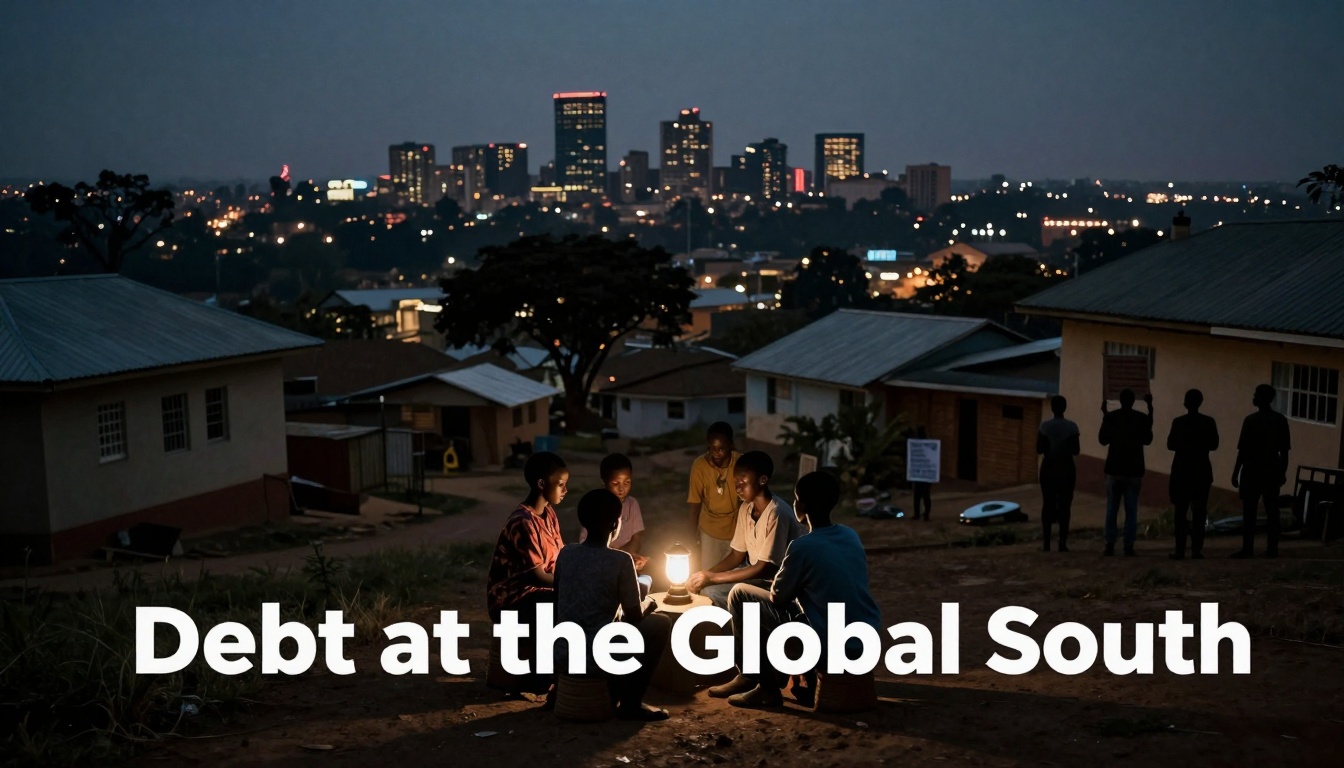
Picture families in Zambia sitting in the dark. Power cuts stretch for days because the government sends billions north to pay debts. In Ghana, schools close early. Teachers go unpaid as loan bills eat the budget. These scenes repeat across the Global South. Countries owe vast sums they cannot handle. Relief efforts stall. Creditors block deep cuts. Anger boils at home.
In 2023, nations paid $1.4 trillion on debts. Sixty-one countries need $781 billion sliced off to breathe. Yet 2026 brings peak payments. Interest alone hit $400 billion last year, triple the sum from a decade ago. This post breaks down the crisis roots. It covers relief tools that fail. Creditors hold firm. Politics turns sour with protests. Zambia, Ghana, Ethiopia, Argentina, and Sri Lanka show the pain. What happens if leaders ignore the growing unrest?
The Roots of the Debt Crisis in Developing Nations
Debts piled up fast. Private bonds charge sky-high interest. Governments borrowed to fix roads or fight floods. Now those loans demand payback. Climate projects add more weight. Rich nations promise green aid but send mostly loans, not grants. Aid from the West fell too. In 2024, it dropped nine per cent.
Interest payments crush budgets. Last year, developing countries sent $400 billion north. That’s three times more than ten years back. Twenty-six nations paid out more than they got in aid. Funds flow the wrong way. Health clinics run short on drugs. Schools lack books. In Zambia, debt takes 40 per cent of revenue. Kids miss meals.
2026 marks another record payment year. Global debt nears $100 trillion. Poor countries face restructurings or defaults. Experts see a 53 per cent chance by 2031. Governments hike taxes or print money to cope. The cycle spins on.
Here’s a snapshot of key nations locked in the squeeze:
| Country | Debt Status (Early 2026) | Key Strain |
|---|---|---|
| Zambia | G20 talks stalled; payments eat 40% revenue | Power cuts, empty hospitals |
| Ghana | Needs 39-64% cuts; private lenders drag | Schools shut, inflation spikes |
| Ethiopia | High default risk; framework fails | War recovery blocked by bills |
| Argentina | Private bonds dominate; repeated defaults | Austerity fuels street protests |
| Sri Lanka | 2022 default lingers; slow restructuring | Food shortages hit families hard |
These cases show the pattern. Private debt now makes up 44 per cent of Africa’s total. It blocks clean fixes.
Spotlight on Struggling Countries
Zambia waited years for G20 help. Talks drag. Power plants idle. Families cook over open fires.
Ghana stares down 39 to 64 per cent cuts. Private holders demand full pay. Markets crash. Youth march in Accra.
Ethiopia’s risk stays high. War scars linger. Debt repayments starve rebuilding.
Argentina battles private bonds. Rates sting at 15 per cent. Voters punish leaders with riots.
Sri Lanka defaulted in 2022. Restructuring crawls. Rice prices double. Protests topple a president.
Private creditors link these tales. They chase profits over mercy.
Debt Relief Tools and Why They Fall Short
Nations grab at old fixes. The G20 Common Framework aims to speed restructurings. It covers Zambia, Ghana, Ethiopia. But big banks sit out. No full buy-in. Talks stretch years.
The HIPC Initiative cut $50 billion in the past. It targets the poorest. Rules prove strict. Many miss out. Past wins shone in 2000 with $76 billion freed. Schools reopened. Clinics stocked up.
Climate finance traps borrowers worse. Rich countries pledge billions. Two-thirds come as loans. Repayments hit $88 billion last year. Funds meant for floods flow back as profit.
New ideas bubble. Use Special Drawing Rights to swap debts. Jubilee 2025 sought a reset. It fizzled. Private holders balk. Banks guard top status. Relief leaks like a bucket full of holes.
For deeper views on unresolved crises, check Bretton Woods Project’s Jubilee analysis.
Proposals push grants over loans. Yet creditors cling tight. Poor nations stay stuck.
G20 Framework and HIPC in Action
G20 launched for swift deals. It ropes in all lenders. World Bank and IMF must nod. Without them, delays pile up. Zambia and Ethiopia prove it.
HIPC slashes debts by half for qualifiers. It demands tight budgets first. Pros include real cuts that rebuilt lives. Cons hit hard. Strict paths exclude most. It’s an obstacle race.
Both tools promise aid. Reality bites slower.
Climate Aid Turned Debt Trap
Floods ravage Bangladesh. Aid arrives as loans. Repayments soon follow. Only 19.5 per cent reaches least developed lands as grants.
Last year, $88 billion went back north. Creditors profit from disasters they helped cause. Aid drops compound it. Picture a drowning man handed a bill.
Creditors Dig In and Block Real Fixes
Multilateral banks lead the holdout. World Bank and IMF claim “preferred creditor” rank. They refuse haircuts. Funds dry up if they bend.
Private bondholders grab two-thirds of payments since 2018. Rates top ten per cent. They sue in London courts. Ethiopia fears just that. See The Guardian on threats to nations like Ethiopia.
Rich bilateral lenders shift. UAE and Qatar lend big now. Western aid shrinks. G20 calls for shared pain. No firm plan binds them.
China tweaks lending post-defaults. Loans slow but terms stay tough, per The Diplomat’s take on changes.
Motives run simple. Banks fear higher costs. Privates eye returns. A US bill eyes climate funds from profits. Change calls for grants. Creditors dig heels.
How Debt Sparks Unrest and Shifts Politics
Debt claims 14 per cent of government cash. Services shrink. Protests erupt. In Sri Lanka, crowds stormed the palace. Argentina saw pots banged in fury.
Campaigners blast “crisis profiteering.” Jubilee year closed without wins. 2026 turns to UN rules. African voices demand a debt workout body. G20 shrugs.
Home anger mounts. Trust erodes. Leaders face votes or streets. Unrest rises if shares stay unfair. Past reforms broke chains. Hope lingers there.
Do parallels appear in your news feeds?
Conclusion
The Global South drowns in debts. Roots trace to private greed and loan traps. Relief tools leak. Creditors block paths. Backlash brews from empty clinics and dark homes.
Push for grants. Force haircuts. Set people-first rules. Watch Zambia or Ghana stories. A fairer world starts there.
Debt chains snap with bold moves. Leaders must act before streets roar louder. Zambia’s lights can shine again.
(Word count: 1487)