
Listen to this post: Are Arms Export Rules Fit for Proxy Wars?
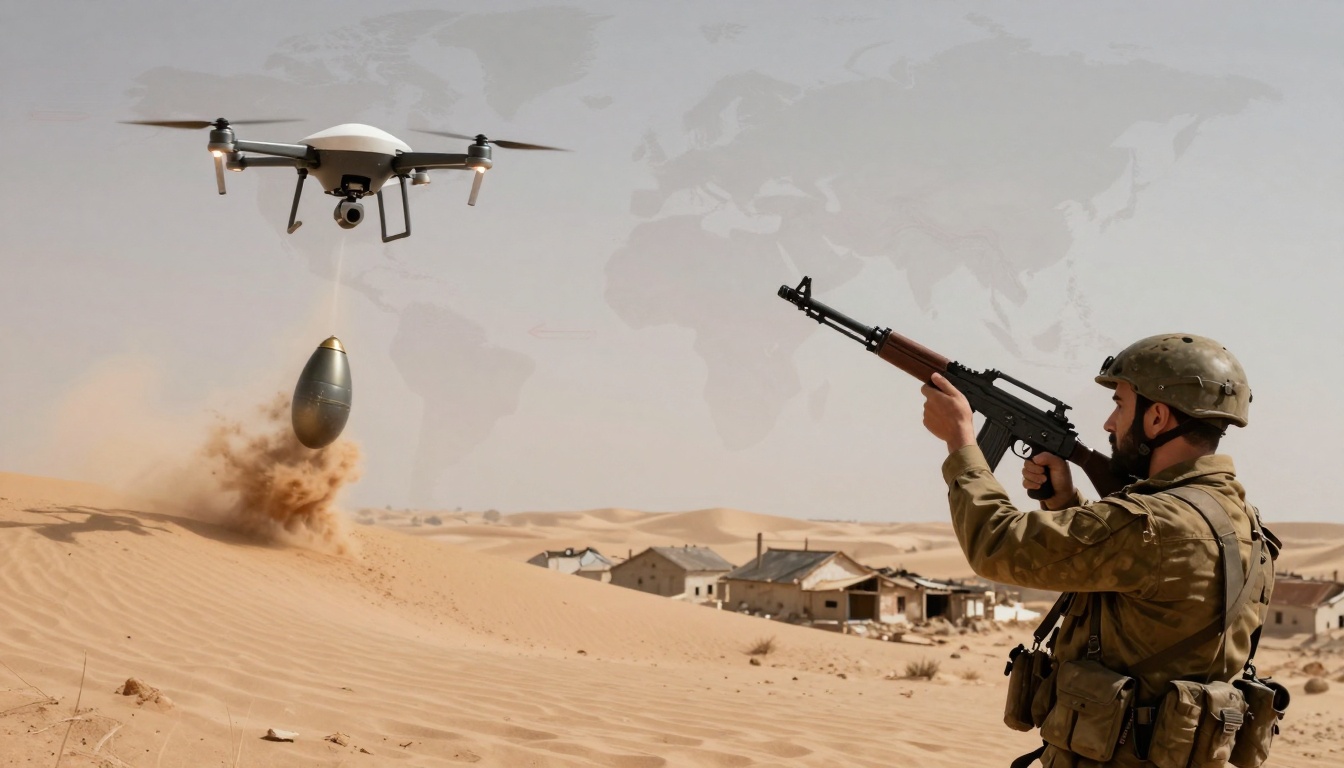
A drone hums over Yemen’s dusty hills, dropping a bomb made in Europe. Miles away, a militia fighter in Ukraine shoulders a UK-supplied rifle to fire at Russian-backed rebels. These scenes play out in proxy wars, where big powers arm local groups to fight their battles without sending troops. The weapons come from legal sales, but they often end up with the wrong hands.
Current arms export rules aim to stop this drift. They check risks before sales. Yet proxy fights twist the game. Do these rules hold up? This post looks at hot proxy wars, key controls like Wassenaar and the UK’s systems, and why gaps let arms slip through. Rules start strong but falter in hidden networks. Fixing them matters for peace, as loose weapons fuel endless clashes.
Proxy Wars Heating Up: Fresh Examples from Ukraine to Sudan
Proxy wars simmer across borders. Big nations back fighters with cash and guns. They dodge direct fights but risk blowback. In 2026, Ukraine grinds on with slow Russian gains. Yemen sees Houthi strikes. Sudan bleeds from rival arms. Syria stays a patchwork mess. Arms flow despite controls, raising escalation fears.
| Conflict | Main Backers | Key Arms Flows | Risks in 2026 |
|---|---|---|---|
| Ukraine | West (US, UK) vs Russia/Iran | Rifles, drones to Kyiv; missiles to rebels | Slow advances, winter stalls |
| Yemen | Iran (Houthis) vs Saudi/UAE | Missiles to rebels; jets to coalition | Red Sea attacks persist |
| Sudan | UAE (RSF) vs Egypt (army) | Drones diverted; tanks supplied | Fighters cross to Yemen |
| Syria | Turkey/Israel vs fading Iran | Drones, strikes amid chaos | Meddling keeps fire alive |
These battles show arms jumping sides. Who pulls the strings when weapons wander?
Ukraine: West Arms Kyiv in Fight with Russian Proxies
Since 2022, the US and UK have sent billions in arms to Ukraine. Aid started small: helmets and rations. Now it’s tanks, missiles, and drones. Kyiv fights Russian proxies in Donbas. Moscow backs separatists with Iranian drones.
Winter 2026 slows all sides. Russians grab tiny patches, like 73 square km near year end. Ukrainians push back in spots, like Kurylivka. Strikes hit both ways. No big proxy shifts reported, but tensions link to Russia talks. Trump-Zelenskyy deals hint at pauses. Still, Western gear arms the front. Risks grow if stocks run dry.
Yemen and Sudan: Gulf Powers Fuel Messy Alliances
Iran arms Yemen’s Houthis with missiles. They hit ships in the Red Sea. Saudi Arabia and UAE counter with US and UK jets. Fighters blur lines; Sudanese mercenaries join Yemen scraps.
In Sudan, UAE backs RSF rebels with drones. Egypt aids the army. The UK licensed arms surges to UAE in 2025, despite known diversions to Sudan, as Campaign Against Arms Trade reports. No fresh 2026 flows noted, but chaos lets gear slip. Split US allies fan flames. Imagine drones bought for defence bombing civilians. Gulf cash keeps proxies stocked.
Arms Export Rules Today: Wassenaar, ATT, and UK Laws
Nations set rules to curb bad sales. They share lists and check risks. Wassenaar leads on transparency. The Arms Trade Treaty adds human rights tests. UK laws demand strict licences. These tools promote care, but they vary in bite.
| Framework | Members/Status | Core Focus | Limits |
|---|---|---|---|
| Wassenaar | 42 countries, voluntary | Share export data on arms, dual-use tech | No binding blocks; Russia stalls updates |
| ATT | 113 parties, UN treaty | Block sales risking abuses | Major powers like US skip; weak enforcement |
| UK Controls | National licences via DBT | Risk tests for violations, embargoes | Case-by-case; follows global lists |
Facts build trust. Rules work best when nations align.
Wassenaar Arrangement: Transparency Without Teeth
Launched in 1996, Wassenaar groups 42 states, including the UK. They swap info on conventional arms and dual-use goods, like chips for missiles or phones. Goals curb terrorism and buildups. Members report approvals twice a year.
It’s voluntary. Consensus rules mean Russia can veto changes. Tech lags: lists miss AI and cloud tools. EU tweaks alone. The official site notes 2025 plenary talks, but no big shifts by 2026. Transparency shines, enforcement lacks.
UK’s Strict Licensing: From Criteria to Real Checks
UK law demands licences for all exports. The Department for Business and Trade (DBT) runs SPIRE system. Eight criteria guide: no sales if clear risk of war crimes or abuses.
Post-Yemen, rules tightened. Embargoes hit Russia and allies. 2025 saw UAE licences soar despite Sudan woes. UK follows ATT and Wassenaar, plus EU dual-use lists post-Brexit. Denials rise for high-risk spots. Checks catch some, but proxies test limits. Real decisions balance trade and ethics.
Why Rules Fall Short in Proxy War Realities
Rules assume straight sales to known buyers. Proxies hide chains. Diversions happen in chaos. Voluntary pacts skip teeth. End-user vows break easy. Yemen gear reaches Houthis. Sudan drones from UAE sales. Can licences track resales? Tech like serial tags helps little in war zones.
Strengths exist: blocks halt some flows. UK denied risky deals. Yet destabilising arms persist. Picture a rifle sold to allies, then grabbed by foes. Fixes beckon: mandatory reports, proxy bans, AI traces.
Tracking Failures: Arms Slip to Unintended Hands
Proxy fog blinds checks. UK arms to Saudi end with Houthis via captures or sales. UAE gets licences, sends to Sudan RSF. SIPRI’s 2025 yearbook summary tracks global transfers, showing gaps.
Ukraine aid stays tight, but black markets lurk. Syria piles weapons from Turkey, Israel strikes. No firm chains in militias. Battlefield grabs worsen it. Rules miss these slips.
Calls for Reform: Tighter Chains on Global Sales
Push mandatory reporting in Wassenaar. Add proxy clauses: no sales to diversion risks. Tech fixes like blockchain track gear. UK could lead with real-time alerts.
EU eyes “Wassenaar minus Russia”. ATT needs more states. Human rights scans must sharpen. Smarter tools cut flows. Balance trade without feeding wars.
Conclusion
Proxy wars expose arms export rules’ cracks. Ukraine, Yemen, Sudan show diversions despite Wassenaar transparency, ATT risks, and UK licences. Gaps in tracking and enforcement let weapons wander.
Stronger chains fit this age: mandatory checks, tech traces, proxy bans. Support smarter policies. Follow CurratedBrief for updates on geopolitics and controls. A world with tighter rules lies ahead, one sale at a time. What changes would you back?