
Listen to this post: Can Regional Blocs Replace a Gridlocked Global System?
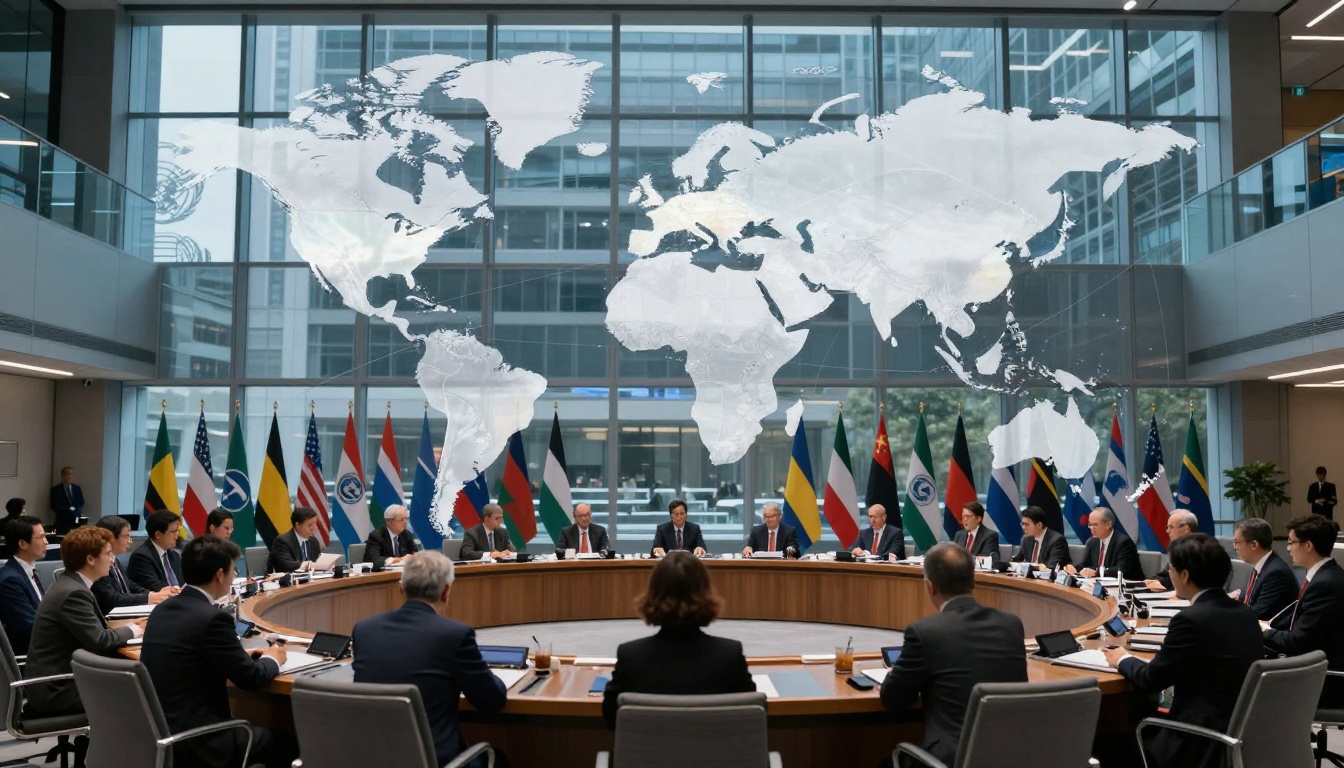
Picture this: leaders from 193 nations pack a vast hall at the UN in New York. They debate climate targets for hours, but old rivalries stall every vote. Or take the WTO in Geneva, where trade spats between the US and China drag on for years without resolution. These scenes repeat at summits, leaving deals unsigned and promises empty. The gridlocked global system frustrates everyone, especially nations in the Global South who feel sidelined.
Now groups like BRICS step up. Can these regional blocs fill the gaps left by the UN and WTO? They promise faster action and fairer rules. This post looks at how BRICS grew fast, its real wins today, and the limits that hold it back. We’ll weigh if they can truly replace the old order or just shake it up.
How BRICS and Similar Blocs Took Off Lately
BRICS started small in 2009 with Brazil, Russia, India, China, and South Africa. They met in quiet rooms to chat trade and growth. By January 2026, the group boasts 11 full members. India chairs this year, hosting its fourth summit. Leaders gather under a new logo with petals in the original colours, symbolising unity amid diversity.
Growth exploded after 2024. Egypt, Ethiopia, Iran, UAE, and Saudi Arabia joined then. Indonesia became full member on 6 January 2025. Brazil hosted the 2025 Rio Summit, where talks turned heated on next steps. Over 50 countries eye membership, with 23 formal bids. India pushes inclusion, much like it backed the African Union for the G20.
These blocs draw nations tired of Western dominance. The New Development Bank lends billions for roads and ports without strict conditions. De-dollarisation picks up pace; members trade in rupees, yuan, or roubles. At the Kazan Summit in 2024, Russia pitched gold-backed systems. Brazil echoed calls for WTO tweaks. Vivid scenes unfold: Putin and Xi clasp hands in Kazan halls, while Modi nods from Delhi screens.
Partners like Nigeria and Belarus joined in 2025, testing waters without full commitment. Interest swells from Latin America to Southeast Asia. BRICS now rivals G7 in GDP share, hitting 35 per cent of global output.
BRICS Expansion Hits New Heights
The timeline shows bold moves. In 2024, five nations signed up: Egypt for Suez access, Ethiopia for dams, Iran for oil, UAE and Saudi for funds. Indonesia followed in early 2025, boosting Southeast clout.
Rio 2025 drew crowds. Leaders debated pace; China wants speed, India caution. Belarus leads partners, with Bolivia, Cuba, Kazakhstan, Malaysia, Nigeria, Thailand, Uganda, Uzbekistan, and Vietnam in tow. No set rules yet; all must agree. BRICS expansion perspectives from members highlight this flux. Saudi paused full entry amid US ties, a sign of caution.
ASEAN and African Union Keep It Regional
ASEAN sticks to 10 Southeast members, focusing on rice pacts and supply chains. They trade $3 trillion yearly, sidestepping global rows. The African Union unites 55 states for free movement and joint defence.
Both link with BRICS but stay local. Nigeria partners BRICS while AU pushes Agenda 2063. ASEAN teams with India on tech. Unlike BRICS global aims, they fix home issues first.
Big Wins These Blocs Deliver Right Now
BRICS moves quick where UN drags. With 11 members, votes pass in days, not decades. They amplify Global South voices drowned in New York. Economic gains flow: local currencies cut dollar fees by 20 per cent in some trades. The New Development Bank approved $32 billion in loans by 2025, funding Russian bridges and Indian solar farms.
Picture farmers in Ethiopia shipping coffee to Brazil in birr, skipping Wall Street. Or UAE firms buying Iranian dates in dirhams. These swaps build trust and save cash. India leads de-dollarisation in 2026, eyeing gold strategies for stability.
Blocs pressure reforms. BRICS calls out WTO biases, where rich states veto farm aid. Brazil tables fixes at Geneva. Funds flow to projects UN skips, like African rails.
Concept here: Voice boost. Smaller nations gain clout; Nigeria accesses cheap loans denied by IMF.
Success stories pile up. At Rio, partners pledged $10 billion for green tech. Carnegie experts note this shifts power south. BRICS trade impact analysis details tech flows.
Faster Choices and Fairer Trade
Small size speeds action. UN needs consensus from 193; BRICS settles in hours. Trade in own money soars: Russia sells gas to India in rupees. Dollar share drops to 60 per cent in group deals.
WTO reform gains traction. Brazil links farm subsidies to entry talks. Results show: intra-BRICS trade hit $500 billion in 2025.
Power Lift for Emerging Countries
Loans come string-free. NDB funds Ethiopian dams at low rates. Middle East joins for oil security. Africa eyes ties; 10 partners signal more.
Multipolar push aids all. India connects 1.4 billion consumers to new markets.
Clear Limits Holding Them Back
Internal rows simmer. India and China eye each other warily over borders. India skipped China’s naval drills in 2025; Iran quit too. Brazil and India lean West, Russia pushes anti-US lines. No boss enforces rules; it’s a loose club.
They lack teeth. No army or courts like UN courts. Members still use WTO for disputes. Saudi delayed join amid oil deals. Over 50 seekers strain unity.
Global crises need all hands. Climate pacts span poles; pandemics cross borders. BRICS skips these, focusing trade. BRICS challenges overview flags divisions under Trump pressure.
Western sanctions bite Russia, slowing projects. Experts agree: blocs supplement, don’t supplant.
Fights Inside and Weak Rules
Tensions flare. India-China trade $100 billion but trust lacks. Modi avoids anti-West rants. Loose ties mean no binding pacts; rely on UN for peace.
Data shows: 2025 summit skipped big reforms amid rows.
Can’t Fix Worldwide Crises Alone
Pandemics demand WHO; climate needs Paris-style deals. BRICS funds local green but skips global caps. Reforms elsewhere required.
Regional Blocs Shake Up the World Order
BRICS and peers grew fast, delivering quick wins on trade and funds. They boost emerging voices and cut dollar chains. Yet rows inside, weak rules, and narrow scope stop full takeover. They prod UN and WTO to change, not replace them.
India’s 2026 chair offers tests: more partners? Deeper bank role? Watch the summit for clues. A multipolar setup benefits all if managed well. What role will your country play? Share thoughts below.
(Word count: 1487)