



Listen to this post: 10 Trends Shaping Global Trade in 2026 – Winners and Losers
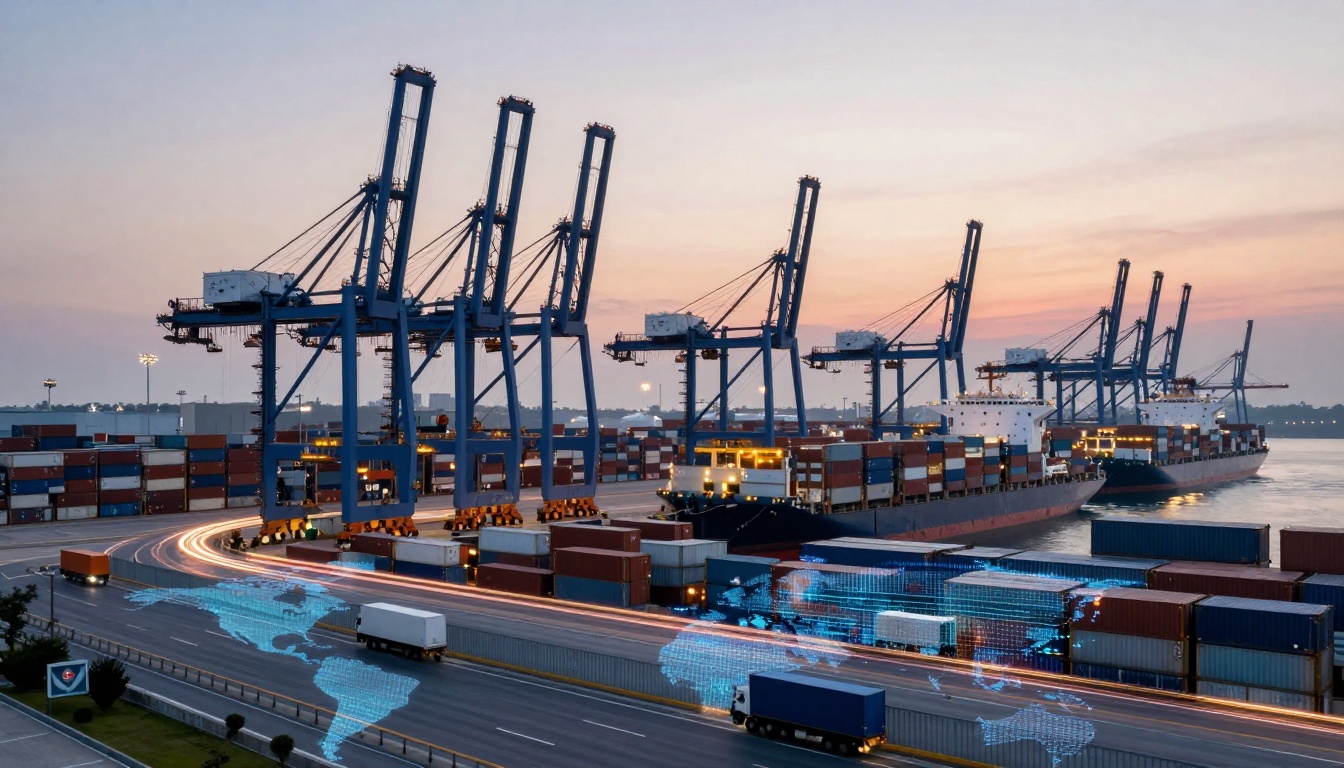
Global trade topped $35 trillion in 2025, a solid 7% jump from the year before. Cargo ships plied routes thick with containers, factories hummed, and markets buzzed. Yet 2026 brings a slowdown. Protectionism bites, growth stalls, and old paths shift. Picture vast ports in Asia standing half-empty as orders dry up, or lorries rumbling across Mexico’s borders instead of ships from China.
UNCTAD’s fresh January report lays out 10 key trends redefining flows. McKinsey adds sharp views on Asia’s rise and splits ahead. Businesses and investors who spot winners and losers now can reroute smartly. Some nations thrive on new ties; others watch shelves gather dust. These shifts touch every supply chain. Stay ahead, or pay the price.
Slow Growth, Tariffs, and Policy Risks Create Uneven Trade Ground
Traders face a bumpy road in 2026. World growth dips to 2.6%, down from brighter days. Tariffs climb, policies flip fast. Empty warehouses dot export hubs like echoes of quieter times. Firms scramble as finance tightens and buyers pull back.
Slower Growth Squeezes Exports in Key Economies
The US coasts at 1.5% growth, China eases to 4.6%, and Europe drags. Developing countries, minus China, hit 4.2% headwinds. Ports idle with unsold goods stacked high. Exporters feel the pinch most.
Winners emerge in Africa, where over half of exports stay regional. Local bonds shield them from global dips. Losers? Small nations hooked on distant sales. UNCTAD notes these face credit crunches and weak demand. Strong home markets win; far-flung sellers lose ground.
Rising Tariffs Spark Protectionism Battles
US tariffs target factories hardest, sparked by 2025 geopolitics. More nations join the fray for jobs and safety. Supply lines snap like overstretched ropes.
Domestic US makers cheer protected turf. Allies gain too. Asian tech chains suffer disrupted flows. McKinsey charts sector hits and rising costs. Factories in shielded spots hum; others halt amid uncertainty.
Trade Policy Tops the Risk List for Businesses
McKinsey surveys show 60% of firms rank trade rules as top threat, double last year’s worry. Geopolitics trails close. Companies reshuffle partners overnight.
Quick shifters to new suppliers thrive. Slow ones in hot zones bleed cash. Picture boardrooms redrawing maps weekly. Adapters grab market share; laggards shrink.
Nearshoring and South-South Links Reshape Supply Paths
Old ocean hauls give way to shorter hops. Lorries cross land borders; planes zip parts nearby. Firms cut risks by staying close. These moves redraw maps with thicker regional lines.
Nearshoring Pulls Factories Closer to Home Markets
Geopolitics and diversification drive the pull. By 2035, 30% of trade may shift nearer. US investment in Mexico doubles; China’s to the US drops 65%. Vietnam and Indonesia snag US deals.
These spots win big with fresh factories and jobs. China-US routes fade fast. UNCTAD and McKinsey track the pivot. Home markets feed steady demand; long-haul paths clog with delays.
South-South Trade Deepens as North Fades
Northern demand weakens, so developing nations turn inward. Trade among them soared from $0.5 trillion in 1995 to $6.8 trillion now. Asia leads factories; Africa sends over half its goods to peers.
East Asian chains and Africa-Latin America links boom. Bustling ports in Lagos handle regional hauls. US and Europe sellers lose pull. New bonds build buffers against cold northern winds.
Geopolitics and New Deals Draw Fresh Trade Lines
Tensions redraw alliances like fresh ink on old maps. Conflicts chip at global rules. New pacts spring up to dodge walls.
Geopolitical Clashes Erode Old Trade Rules
Surveys flag conflicts as prime disruptors. WTO stumbles; equal growth slips away. CPTPP bloc, covering 14.4% of GDP, holds firm.
Members ride steady flows. Trade war targets and US-curb victims falter. Blocs insulate; outsiders brave storms alone.
Regional Agreements Boom to Bypass Barriers
Pacts jumped 30% since 2017. CPTPP expands; others follow. Vietnam-US trade deepens, others thin out.
Joiners and applicants like potential China bids win access. Outsiders eat tariff pain. Fresh deals carve safe paths through choppy seas.
Digital Surge, Asia Lead, and Split Worlds Define the Future
Data packets race past slow containers. Services climb to 22% of trade. Asia steers the ship; blocs pull apart one world.
Digital and Services Trade Take Centre Stage
Services pacts multiply, over 100 since 2000. Digital taxes spark fights. Asia grabs 60% of growth.
Tech outfits in linked spots surge. Tax-heavy zones lose operations. Apps and remote work outpace goods; laggards in poor nets miss the boat. Check UNCTAD’s January update for details.
Asia Claims Trade Dominance with Future Industries
Asia held 55% of exports by 2023; FDI doubles. It pushes total trade to $42-45 trillion by 2035. High-tech factories anchor the lead.
Asian firms in green tech and chips win outsized shares. Non-shifters watch rivals speed ahead. McKinsey sees Asia rising in realigned flows.
Multipolar Scenarios Split Global Flows
East-West pacts and 60% tariff risks loom. Trade hits $42-45 trillion variants; GDPs shift.
Diversifiers and regional heads boost exports 8%. Isolated spots drop 12%. Blocs form walls or bridges.
| Winners | Why | Losers | Why |
|---|---|---|---|
| Asia (China, Vietnam) | Factory hubs, South-South | Small developing nations | Green/digital gaps, slow growth |
| Mexico | US nearshoring | Europe | Weak demand, high costs |
| Africa/Latin America | Regional links | Least developed countries | Tariff hits, net shortfalls |
Key Takeaways for 2026 Trade Shifts
Slow growth and tariffs tilt the field, but nearshoring, South-South ties, and pacts open doors. Asia and digital services lead; multipolar splits reward adapters. Regional players win; rigid global chasers lose.
Watch Asia’s grip and digital booms. Firms that pivot to close partners thrive. Track these via CurratedBrief newsletters. Personalise your My Feed today for daily briefs on geopolitics and markets. What shift hits your chain hardest? Share below and stay sharp.