


Listen to this post: Why “Main Character Energy” Online Can Be Exhausting
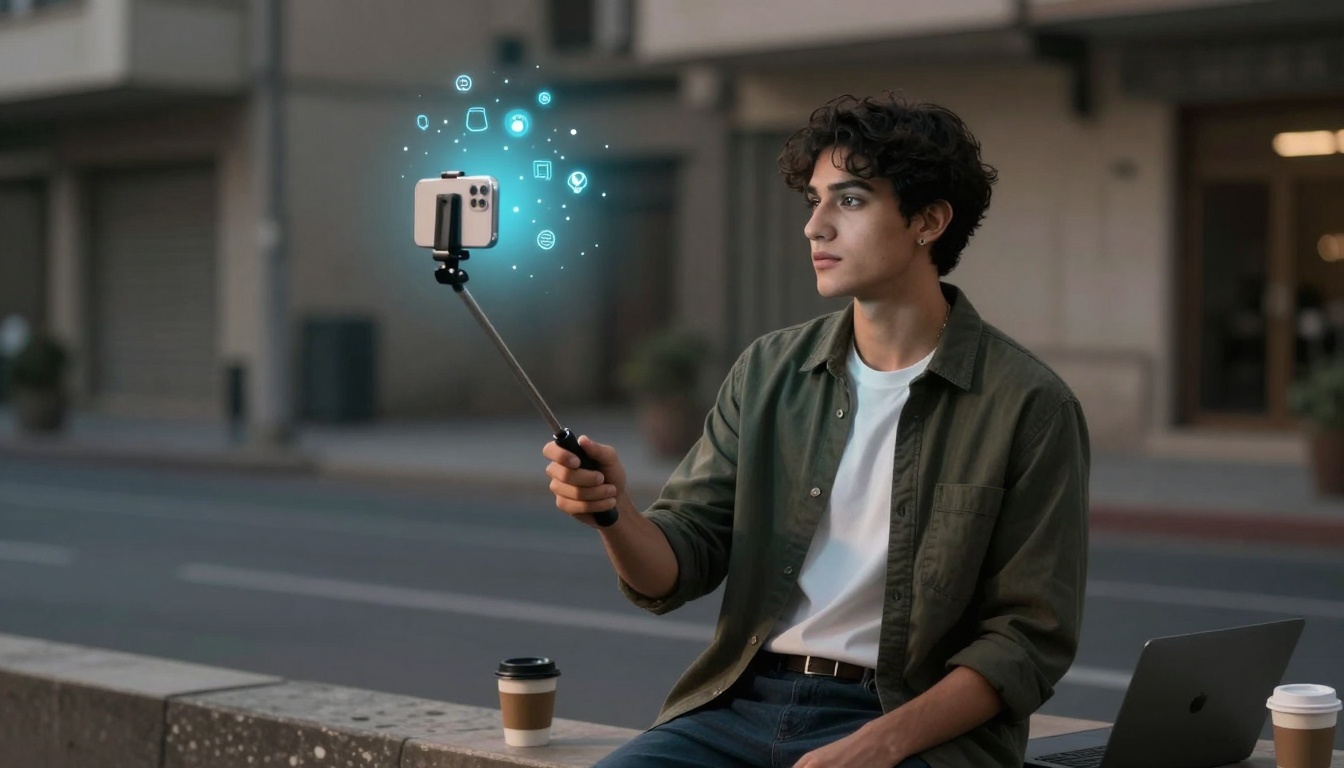
Picture this: you step out for a quiet coffee. Phone in hand, you film it slow-motion, add a swelling soundtrack, and post. Likes flood in. Comments call it epic. You feel like the hero in your own blockbuster. That rush hits hard.
Now fast-forward. Midnight scrolls for more validation. Eyes burn. Tomorrow’s to-do list mocks you. Main character energy means you treat social media like your personal film set. Bold outfits, dramatic voiceovers, every moment a highlight reel. It blew up on TikTok around 2020. By 2026, it still draws millions, especially Gen Z seeking confidence in a vast world.
Yet here’s the catch. That spotlight feels empowering at first. Soon it drains you dry. A creator mental health study shows 62% report burnout. This piece looks at the psychological and physical toll. It covers 2026 trends. And it shares steps to reclaim your rest.
Why Main Character Energy Feels So Good at First
You lace up trainers for a park jog. Film it with indie folk music overlay. Post as your “morning glow-up.” Notifications ping. Friends cheer your vibe. Dopamine surges like a warm wave.
That buzz explains the pull. Social apps make it simple. Filters sharpen your glow. Edits turn mundane walks into montages. In 2026, Gen Z grabs this to shake off extra feelings. Post-COVID blues linger. Many feel like background players in life. Main character energy flips the script. You star in your story.
Take TikTok Reels. Users soft-launch new mates with sunset clips. Or spin late-night drives into adventures. One video racks up views: a solo dance in rain, captioned “owning the plot twist.” Comments explode: “Queen energy!” It builds a brand. Anyone crafts a feed that screams centre stage.
Platforms feed it. Algorithms love drama. Quick cuts and trends boost reach. You post a coffee run as a quest. Likes validate your shine. Confidence swells. Suddenly, quiet days feel dull without the lens.
But that high fades. Constant creation wears thin. The need to top yesterday’s reel creeps in. What starts as fun turns into work. Your real walks lose charm without applause.
The Mental Drain Behind Constant Online Performance
Switch apps for inspo. Edit that clip. Check views. Your brain juggles like a circus act. That splintered focus exhausts. Studies liken it to mental weight training without rest. Have you crashed after a posting session?
Dopamine chases worsen it. First likes spark joy. Later, you need more for the same kick. Feeds fade. Emptiness follows. In 2026, 66% of Gen Z report burnout. That’s tops among generations. Nearly half feel too wiped to work. UK frontline Gen Z hits 83% with symptoms.
Cortisol spikes add fuel. Stress hormones from notifications tire your body. Foggy thoughts hit. Dread builds at pings. Therapists note clients quit apps for clarity. One expert ditched Instagram. Her focus sharpened overnight.
Gen Z peaks burnout at 25. Seventeen years before average workers. Remote setups push it higher: 61% burned out. Social media amps the load. Perfect feeds trigger FOMO. Sixty-two per cent feel lesser next to highlights.
Your battery runs low. Post less? Guilt nags. Keep going? Exhaustion wins.
How It Sparks Anxiety and Loneliness
Blue light at bedtime steals sleep. Seventy per cent scroll into night. Anxiety brews. Depression tags along for 30 per cent. Comparisons sting. Your coffee run pales to their villa snaps.
Cyberbullying hits 57 per cent of young users. Global news floods add PTSD-like fatigue. You log off less. Real chats dwindle. Loneliness grows.
Quitters report wins. FOMO drops. Bonds deepen offline. One group saw sleep improve by hours. Energy returns.
The Shift to Realness in 2026 Feeds
Audiences crave raw now. Polished posts bore. Spontaneous clips win hearts. Seventy per cent fret AI fakes. Users jump to Reddit threads. Or TikTok chats, up 58 per cent.
Brands cut back. Less curation means more likes. Gen Z splits on resolutions, picking rest over grind. Authentic vibes rule. Think unfiltered walks. No music. Just you.
Real-Life Signs You’re Ready to Log Off
Dr Stephanie Steele-Wren, a therapist, deleted apps last year. Algorithm sludge drowned her feed. Clients followed. One said goodbye to Reels after post dread hit. “I viewed mates as props,” she shared.
Your body signals first. Headaches pulse from screen glare. Shoulders knot from hunch. Somatic pushback screams overload.
Spot these red flags. Aimless scrolls eat hours. You refresh for nothing. Dread builds before posts. What if it flops? Friends blur into extras. Empathy dips. That main character haze kills real links.
Sound familiar? One pro used focus apps amid AI spam. Views tanked without drama. Peace won. Stories pile up in 2026. Gen Z skips leadership for balance. Forty-six per cent eye job quits for calm. Social quits mirror it.
Quiet rebellion grows. Phones down at meals. Walks sans filming. Joy sneaks back. No audience needed.
Easy Ways to Drop the Spotlight and Recharge
Start small. Set scroll caps. Apps track time. Hit limit? Lock screen. Build in breaks. Walks stay private.
Skip curation. Eat that sandwich plain. No angle hunt. Treat people as full stars. Chat deep, not for clips. Ditch like counts. Chase offline wins: a laugh, a hug.
Root out insecurities. Journal why you post. Authenticity frees. Drama drains. Low-key life glows brighter.
Communities share wins. One forum user logged a no-post week. Energy soared. Hobbies bloomed. You can too. Pick one step today.
Conclusion
Main character energy hooks with thrills. Yet constant performance sparks burnout. Sixty-two per cent feel it. Gen Z leads at 66 per cent. Anxiety, FOMO, and fatigue follow. 2026 sees raw content rise. Quits bring rest.
Try a no-post day. Feel the lift. Quiet joys wait: unfilmed sunsets, real talks. Step off stage. Recharge for good.
(Word count: 1492)