
Listen to this post: How to Recognise When Online Content Drains Your Mental Health
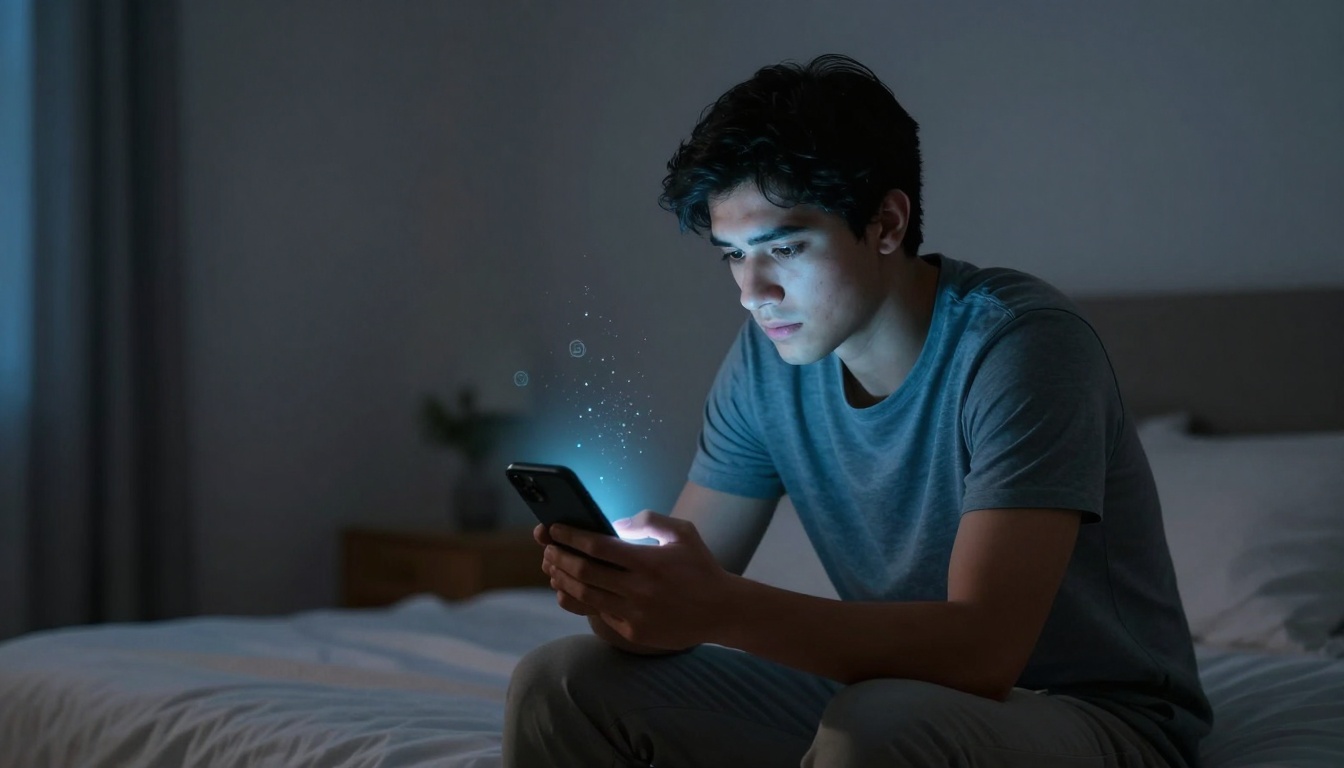
Picture this. It’s past midnight. You put down your phone after an endless scroll. Your eyes ache from the blue glow. You feel empty inside, on edge, heart still racing from that last news alert. Online content hooks us with quick hits of fun and info. Social feeds buzz with laughs, trends, and outrage. News reels pull you in deeper. Yet over time, this flood drains your mind.
Stats paint a grim picture. In the UK, 91% of 16- to 24-year-olds use social media daily. About 38% clock three or more hours each day. Heavy users face a 70% jump in depression rates. Around 28% of Gen Z say it harms their mental health. Cyberbullying hits seven in ten young people. Sleep suffers too, feeding the cycle.
This post spots the signs early. You’ll learn emotional red flags like anxiety spikes and envy pangs. Behavioural hints show when screens rule your day. Physical cues from your body scream for a break. Spot them now. Reclaim your calm before the drain deepens.
Emotional Signs Online Content Steals Your Peace
Online scrolls start light. A funny clip here, a friend’s post there. Soon feelings sour. Fun turns to turmoil inside. Anxiety flares from endless bad news. Envy creeps in as lives look flawless. Fear of missing out nags at you. Self-esteem dips after highlight reels.
Recent UK data shows the toll. Young people hit hardest. They report widespread harm from toxic content. Mental Health Foundation research from May 2025 flags disturbing online material as a top threat. Girls suffer more. Cyberbullying doubles risks. About 48% now view platforms as mostly negative.
Think of your last session. Did your heart race over ignored notifications? Did influencer glow-ups leave you sad and small? These shifts signal content steals your peace. Pause next time. Note your mood before and after. Patterns emerge fast.
Anxiety and Worry Build from Endless Feeds
Feeds overflow with doom. Wars, scandals, crises loop non-stop. You open an app. Dread hits first. Thoughts race. Doomscrolling traps you in negativity.
Apps feed this with dopamine hits. Each swipe promises relief. Yet it worsens loneliness amid “friends”. UK stats link heavy use to anxiety. One study saw a 16% drop after just a week off platforms.
Picture mornings. You check your phone first thing. Stories pile up. You feel worse, wired for the day. If this sounds like you, feeds build real worry.
Envy Hits When Lives Look Perfect Online
Platforms curate perfection. Filtered faces, dream holidays, success brags. You compare. Your life feels flat.
Social traps spark this. Teens feel it sharp, but adults too. Scroll past mates’ trips. Inadequacy stings. RSPH’s #StatusofMind report details how it erodes mental health.
Now 48% see social media as harmful. Numbers turn bonds into scores. Likes dictate worth. Spot the pang. It marks content’s quiet theft.
Behavioural Clues Show Content Controls Your Day
Actions reveal the grip. You spend three to six hours scrolling daily. Nights stretch late. Real chats fade. Work slips, grades drop.
Passive scrolls harm. Active talks help. Yet notifications wreck focus. UK data shows 40% lose productivity. Heavy use ties to poor rest.
Imagine your day. Refresh button rules. Coffee turns cold. Tasks wait. Sound familiar? Track your habits. See when content calls the shots.
Doomscrolling Takes Over Your Time
Sessions balloon. One video leads to ten. Nights vanish before bed.
Design fuels addiction. Infinite scrolls, alerts ping. UK young people log hours passively. Sleep cuts short. Mornings drag.
You vow to stop. Yet thumb moves on. This habit owns your time. Break it. Set timers. Reclaim hours.
You Pull Back from Face-to-Face Bonds
Screens replace talks. Confidence dips offline. Loneliness grows despite followers.
Cyberbullying isolates. Victims withdraw. UK stats: 34% of kids face it. Anxiety spikes.
You skip meets for feeds. Chats feel flat after. Real bonds suffer. Notice the shift. Step away.
Physical Warnings Your Body Gives After Too Much Screen
Your body flags the drain loud. Sleep shreds first. 45% link social media to woes. Fatigue lingers all day. Focus fogs over.
Headaches pulse from tension. Eyes strain, dry. Mood crashes follow. Pew Research from April 2025 notes one in five teens feel the hurt.
Good news waits. Breaks slash depression by 25%. Sleep improves 15%. Listen to signals. Neck aches? Blurry sight? Body begs for rest.
Simple fixes work. Dim lights at night. Walk outside. Stretch often. Preview them here. Your form knows before your mind admits.
Denial tricks you. “Just one more.” Yet yawns betray. Heed the warnings. Balance screens with life.
Spot the Drain, Take Back Control
Emotional unrest stirs first: anxiety from feeds, envy from fakes. Habits shift next: doomscrolls steal time, bonds fade. Body alerts seal it: fatigue, sleep loss scream stop.
Catch signs early. Save your sanity. Try a one-week break. Track moods daily. Note the lift.
Small steps rebuild calm. Healthier habits await on sites like CurratedBrief. Seek mindful reads there. What sign hits you hardest? Share below. You’ve got this.
(Word count: 1,478)