
Listen to this post: The Mental Health Struggles of Remote Work No One Talks About
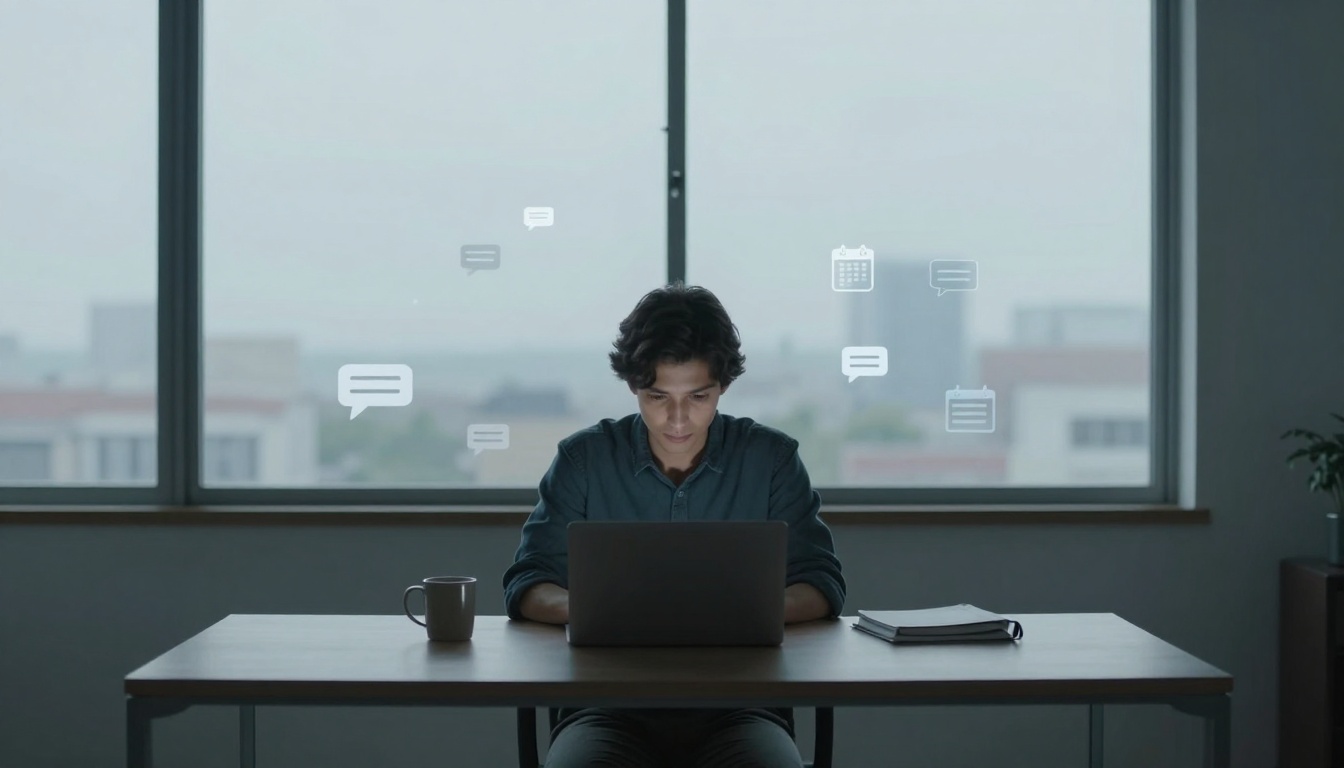
Sarah stared at her laptop screen in her quiet flat. She had landed her dream job, fully remote. No commute meant extra sleep and fresh coffee every morning. Weeks in, the thrill faded. Her home office felt like a cage. Slack pinged with work tasks, but no one asked about her weekend. She missed the office chatter over lunch.
A Gallup survey from 2025 shows 27% of fully remote workers feel lonely every day. That’s higher than the 23% in hybrid roles or 20-21% in offices. No one warns you about this side of remote work. Loneliness creeps in first. Then burnout from endless hours. Anxiety follows when you feel invisible to your team. Poor work-life balance seals the deal.
These issues hit hard, backed by fresh studies up to 2026. Fully remote setups tax emotions more than hybrid ones. Yet flexibility appeals to many. This piece uncovers the hidden toll. It draws on real stats and stories. You’ll see why hybrid often works better and how to spot trouble early. Let’s face these struggles head-on.
Why Remote Work Sparks Deep Loneliness
Remote work cuts you off from simple human contact. No quick chats by the coffee machine. No shared breaks where jokes fly. These small moments build bonds. Without them, isolation grows fast. Picture eating lunch alone at your kitchen table. The fork scrapes the plate. Silence echoes.
Gallup data paints a clear picture. Fully remote workers report 27% daily loneliness. Hybrid workers sit at 23%. Office folks feel it 20-21% of the time. Anger runs higher too, at 25% for remote. Sadness hits 30%. Casual talks vanish. Team meals disappear. You stare at a screen, wondering if anyone notices your win.
Hybrid roles offer a fix. They mix home days with office time. This keeps connections alive. Loneliness drops. Well-being rises. One worker shared how two office days a week changed everything. She felt seen again. Think about your own setup. Do you crave that buzz?
The Daily Grind of Solo Screen Time
Days blur into screen time. Coworker nods and hellos fade. Emotional gaps widen. You type replies, but faces stay blank.
Gallup’s 2025 findings highlight this. Remote workers lack those buzz moments. An empty kitchen table replaces office hum. No one pops by with a story. Fatigue sets in. You question your role.
Buffer notes 20% of remote staff name loneliness their biggest issue. It sparks depression risks. Over half go weeks without leaving home. One in four skip talks for days. Gen Z feels it worst. They miss social ties.
Why Hybrid Beats Full Remote for Connections
Hybrid means one to four remote days. It slashes loneliness risk. Well-being scores climb. Gallup shows 42% of hybrid workers thrive in life. Fully remote lags at 36%.
Office days build support. Camaraderie flows. CIPD’s Health and Wellbeing at Work 2025 report backs this. Poor mental health costs UK firms billions. Hybrid eases that load.
Start small. Pick one office day. Chat in person. Watch isolation lift.
Burnout Creeps in from Endless Hours
Remote work tempts you to overdo it. Boundaries blur. You check emails at 9pm. The sofa becomes your desk. Days stretch. Energy drains.
Stats confirm the strain. 65% work extra hours remotely. 77% face burnout. Fully remote hits hardest. 45% report high daily stress, per Gallup. That’s above office levels. 51% feel used up each day.
Unmanageable loads hurt output. Quality slips. You push harder, trapped in a cycle. Fully remote lacks office cues to log off. Signs build slow. Fatigue first. Then resentment.
Mental Health UK’s Burnout Report 2025 reveals a generational split. Younger workers miss more days from stress. Older ones push through. Everyone pays a price.
Empathy matters here. You’re not weak. The setup invites burnout. Spot it early. Act fast.
Extra Hours That Steal Your Evenings
Blurred lines mean longer days. Home feels like work 24/7. 91% say it spikes stress.
Emails ping at night. You reply to stay ahead. One marketer shared her story. She started at 8am. Ended at 11pm. Weekends blurred too. Sleep suffered.
FlexJobs data shows 28% overwork or stay home too much. No commute helps some. But pressure mounts. Digital tools track you. Exhaustion follows.
Spotting Burnout Before It Breaks You
Watch for clues. Constant fatigue drags you down. Anger flares quick. Motivation dips.
Gallup notes a 25% burnout rise since 2022. 38% burn from extra hour pressure. 86% feel wiped out.
Check yourself. Do tasks feel heavy? Sleep evades you? Take a break. Talk to a mate. Reset routines.
Anxiety Grows When You Feel Unseen
You log on, heart racing. Did the boss see your update? Slack stays quiet. Feedback gaps breed doubt. Time zones add chaos.
28% fear overwork or invisibility. 48% lack support. Anxiety ticks up in full remote. 76% say job stress harms mental health.
Bosses miss face cues. Promotions feel random. You refresh messages, anxious. Hybrid fixes this. Balance returns.
Stribe’s workplace mental health statistics list top issues. Stress leads. Remote amps it.
Paint the scene. Family interrupts calls. Dog barks. Focus shatters. Anxiety builds.
The Fear of Being Overlooked
Invisibility stings. Managers overlook remote stars. Weak ties hurt careers.
Stats show it. Fully remote workers feel job insecurity 1.3 times more. Promotion worries grow. One dev said, “I code gold. But no pats on the back.”
Build visibility. Share wins. Schedule check-ins.
Stress from Poor Boundaries at Home
Distractions pull you. Kids need attention. Laundry calls. 19% battle time zones.
Work-life stats worry. 28% don’t venture out enough. Routines slip. Anxiety rises.
Set rules. End work at 5pm. Walk outside. Family time counts.
FlexJobs notes 81% see better balance remotely. But full remote risks pitfalls. Hybrid wins for many.
Wrapping Up the Remote Work Reality
Remote work brings loneliness at 27% daily for full-timers. Burnout strikes 77%. Anxiety from feeling unseen adds up. These hit fully remote hardest, per 2025-2026 studies.
Positives shine too. 56-93% love the flexibility. 99% say remote or hybrid beats office for well-being. Hybrid often proves best. It cuts loneliness to 23%. Stress eases.
Don’t ignore the toll. Push for hybrid days. Set firm boundaries. Log off early. Check in with mates.
Share your story below. How does remote work affect you? Try one change this week. Your mind will thank you. Healthier habits build stronger careers. Stay connected.