
Listen to this post: “Open vs Closed”: The New Dividing Line in World Politics
Donald Trump’s return to the White House in 2025 cracked old alliances wide open. The US paused aid to Ukraine just as Russian troops pushed forward. This move exposed a fresh split in global politics. Open camps favour shared rules, strong ties like NATO, and free trade flows. Closed groups chase self-reliance through tariffs, one-on-one deals, and tight borders.
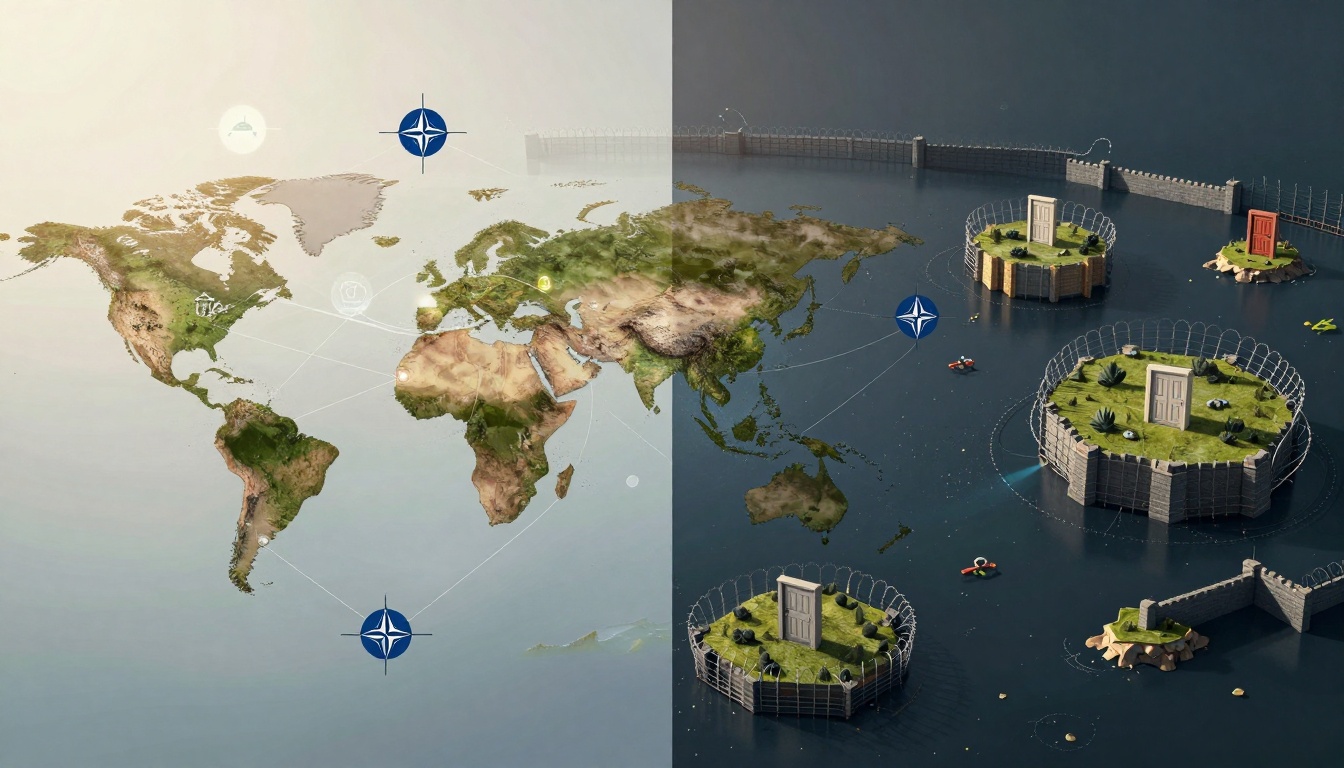
Picture a world split into two camps. Open players build bridges with joint defence pacts and open markets. Closed leaders tear down those bridges to protect their patch. Old divides like East-West or left-right fade. Now it’s open versus closed that shapes fights from Ukraine’s trenches to trade desks in Beijing.
In January 2026, Ukraine’s war drags on with slow Russian gains. EU nations face far-right surges from 2025 votes, yet they cling to alliances. Trump, Putin, and Xi pull in the closed direction. Prices rise, security wobbles, and trade frays. This article breaks down the players, their moves, and clash points. Readers will grasp how this divide hits wallets and safety.
Spotting Open Players Who Back Global Teamwork
Open nations bet on teamwork. They join forces through alliances, open markets, and shared fixes for big threats like climate shifts or security gaps. These countries push multilateral deals where rules bind everyone. They see strength in numbers, not solo runs.
Japan and South Korea boost defence ties with the US and Australia. They adapt to shifts by deepening pacts. Benefits shine through: steady trade keeps prices low, joint defence deters attacks. Yet US pullbacks test this side. Weak spots appear when big players waver.
EU and Ukraine Lead the Open Fight
The EU holds firm despite far-right wins in 2025 polls. Parties like Germany’s AfD hit 20.8% in February votes, Poland’s populists took the presidency. Still, leaders cut defence deals with India and Indonesia. Ursula von der Leyen’s team struck pacts with Italy’s far-right for key posts.
Ukraine fights on, hooked to Western aid. As of mid-January 2026, Russia holds 19.32% of land with tiny gains of 73 square kilometres since New Year’s. Ukrainian drones strike deep, but blackouts hit from Russian missiles. Zelenskyy nears a 90-95% peace deal with Trump, yet Putin rejects it. EU funds flow amid fears of US cuts. Leaders huddle in Brussels, maps spread, plotting next aid waves.
Policies That Keep Borders and Markets Welcoming
Open policies shine in action. Nations back UN resolutions, sign free trade pacts, and fund joint defence. The EU leads climate efforts with green deals that cut emissions across borders. They diversify suppliers to dodge closed blocs.
These steps bring real wins. Shoppers see lower costs from free trade. Safer worlds come from NATO spending hikes. Imagine stable supply chains feeding factories without tariff shocks. Open sides contrast closed walls by welcoming talent and goods. For details on how Trump boosts China through splits, check ECFR’s analysis on Europe.
Closed Powers Chasing Strength on Their Terms
Closed leaders put nation first. They slap tariffs on imports, build walled tech groups, and skip big multilaterals. Power comes from bilateral handshakes, not group votes. They reject open rules to guard jobs, tech, and borders.
The US under Trump pulls from WHO pacts, pushes America First. Ukraine talks favour US firms in rebuilds. Russia grabs spheres by exploiting West rifts. China crafts closed markets, ties with Myanmar, and Arctic links to Russia. An axis grows with Iran and North Korea. Nuclear risks climb without arms talks.
Trump’s US and Putin’s Russia Rewrite the Rules
Trump slows global trade, ramps coercion. Leaks show Ukraine profit plans for US companies. He chats direct with Putin, easing sanctions whispers. Picture tense summits: Trump at the table, maps of Donbas out, demanding deals.
Putin gains from divides. Russian troops inch forward in Hulyaipole, claim spots like Hrabovske. West splits let him fake a crumbling front. Bilateral Trump talks bypass NATO. Both rewrite rules for their gain, leaving allies sidelined.
China Locks Down Its Economy and Alliances
Xi Jinping seals markets tight. He skips mediation roles, leads climate talks without US input. Russia ties deepen via Arctic routes and tech shares. Supply chains bend to Beijing’s pull.
Impacts ripple wide. Global firms scramble as China hoards minerals. Xi backs closed allies like Myanmar’s junta. For insights on the strongman race with Trump, Xi, and Putin, see the FT piece. Closed China builds power blocs that challenge open trade.
Frontlines Where Open Clashes with Closed
Clashes erupt on real fronts. Ukraine tests open unity as aid wanes. US-EU strains grow over tariffs. China-Russia bonds tighten against West pacts. Trade splits into clubs: one for open flows, another for closed chains. Onshoring booms, but costs soar.
Global South nations pick sides, chasing best deals. Risks mount: more skirmishes, scarce goods. In 2026, volatility rules. No easy wins in Taiwan or Ukraine. Imagine your grocery bill jumping from tariff walls.
Ukraine War Exposes the Divide’s Sharp Edge
The war slog exposes cracks. Trump pushes peace, but Russia rejects terms. US aid cuts drive a wedge between America and Europe. Russian strikes kill in Kyiv, damage embassies. Ukraine counters with drone hits on refineries.
No quick end. Putin claims wins to force surrender talks. Open allies strain to hold the line, fearing closed deals carve up land. Fronts like Kupiansk see Ukrainian pushes amid winter mud.
Trade Battles and Economy Splits Hurt Everyone
Tariffs bite hard. Closed blocs hoard tech and minerals, spiking prices. Green shifts burden poor nations short on cash. EU races to diversify from China.
Everyone pays: higher costs for phones, cars, food. Shoppers feel the pinch first. Onshoring creates jobs but slows growth. See Foreign Affairs on Trump’s spheres of influence for how great-power fights fade into zones. Open trade fights back, but fragments spread.
Open players like the EU and Ukraine push alliances, free trade, and joint defence. Closed forces, led by Trump, Putin, and Xi, grab national wins through tariffs and solo deals. Clashes in Ukraine and trade routes show the pain.
This divide brings unpredictability. Multipolar risks grow, yet full breakdowns stay off. Nations adapt, forging new paths. Track shifts with daily briefs to make sharp choices on investments or votes. The world bends, but open teamwork offers hope amid the splits. What side shapes your future?