



Listen to this post: How Church, Mosque, and Spirituality Shape Gen Z Lives
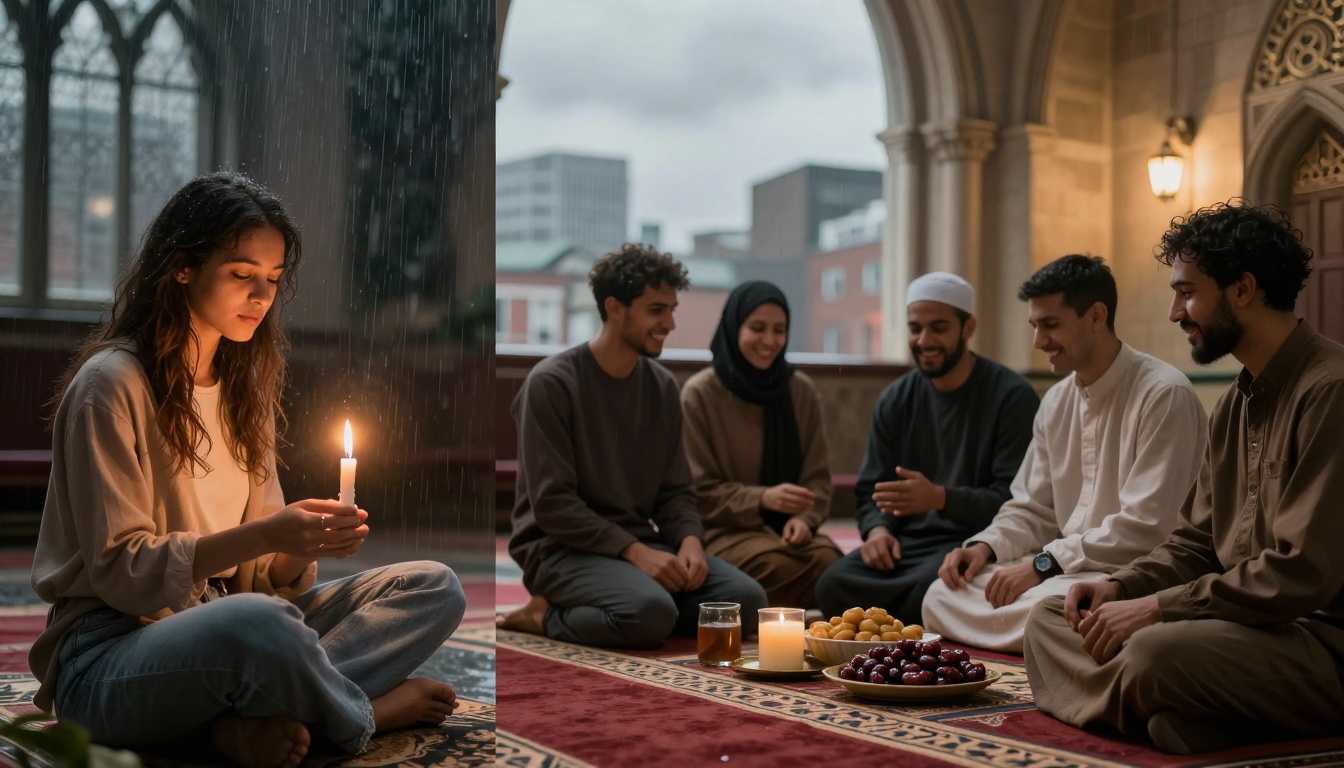
Picture a young woman in her early twenties. She slips into a dimly lit church in Manchester on a rainy evening. She lights a candle, bows her head, and finds a moment of calm amid her uni deadlines and part-time job stress. Across town, a group of lads gather in a mosque after Friday prayers, sharing laughs and dates over iftar during Ramadan. These scenes capture a shift among Gen Z, born 1997 to 2012.
Recent UK data paints a clear picture. About 43% of those aged 18 to 24 say they are religious. Add in those who call themselves spiritual but not religious, and the figure climbs to two-thirds. A January 2025 poll shows 62% feel very or fairly spiritual. Atheism sits at just 13%, lower than in older groups. Church attendance tells an even starker story. Monthly visits among 18 to 24-year-olds rose from 4% in 2018 to 16% in 2024 in England and Wales, per the Bible Society’s Quiet Revival report.
This post looks at how church, mosque, and spirituality fit into Gen Z life in the UK and worldwide. From mental health support to strong community bonds, these elements offer purpose. While fewer pick organised religion, spirituality gives many young people tools to navigate tough times. Faith adapts to meet their needs, blending old rituals with modern lives.
Gen Z’s Embrace of Spirituality Over Traditional Religion
Gen Z leans towards spirituality more than strict religion. In the UK, 62% of 18 to 24-year-olds describe themselves as very or fairly spiritual, according to a 2025 survey. This marks a break from past trends. Older generations show higher atheism rates, around 25% for Gen X. Yet Gen Z bucks that. Only 13% claim no belief in God or a higher power.
What drives this? Post-pandemic searches for meaning play a part. Many turn to apps for meditation or journaling. A teen might scroll TikTok for faith talks late at night, pondering life’s big questions. Picture a student in London, stressed by exams, who whispers a quick prayer before bed. These private acts build quiet strength.
The rise of “spiritual but not religious” stands out. About 33% definitely believe in God or a higher power. Another 23% pray daily. Bible sales jumped 87% from 2019 to 2024, linked to Gen Z curiosity. Groups like the Bible Society note this “quiet revival” in personal practices.
This trend shapes daily routines. Spirituality offers anchors in a chaotic world. Does it fill gaps left by fading traditions? For many, yes. It fosters hope without full commitment to pews or minbars.
UK Trends in Belief and Practice
UK studies highlight sharp changes. A 2023 LADBIBLE poll found 43% religious among Gen Z. By 2025, 62% spiritual. Prayer happens monthly for 37%. These numbers top averages for other ages.
Gen Z shows warmth towards faith. A teen might journal prayers in a notebook or debate theology on social media. Videos of young people sharing visions go viral. These habits weave into busy schedules, from morning reflections to evening podcasts.
Humanists UK warns against hype, noting immigration boosts numbers. Still, the uptick feels real. Young people seek solace in subtle ways.
Global Patterns in Faith
Worldwide, patterns vary. Pew and World Values surveys show Western Gen Z drifts from churches and mosques. Yet belief in a higher power persists. In Africa and the Middle East, faith runs deep, with high affiliation.
Muslim-majority nations see strong mosque ties among youth. African Pentecostals pack services. In the West, private spirituality dominates. Weekly worship dips under 15% in Europe. Still, prayer lingers for many.
The Quiet Rise in Church and Mosque Visits
Church doors swing wider for Gen Z. In England and Wales, monthly attendance for 18 to 24-year-olds climbed from 4% in 2018 to 16% in 2024. That’s one in six young adults showing up regularly. Young men lead this surge at 21%, compared to 12% for women.
Catholic churches draw 41% of young attendees, Pentecostals 18%. Anglican shares fell to 20%. Lively services with music and talks appeal. Imagine a packed youth night in Birmingham, hands raised in song, phones capturing the energy.
Mosques see steady flow too. UK Muslim Gen Z, often from younger families, attend often. Weekly prayers and community events bind them. During Ramadan, iftars turn into vibrant gatherings, plates passed amid stories and support.
This rise ties to daily coping. Students pray before exams; workers seek peace mid-week. Global spots like Latin America and Africa show charismatic worship booming. Pentecostals thrive with expressive styles.
Critics like Humanists UK flag caveats. Immigration and online counts inflate figures. Even so, physical visits grow. Faith spaces become hubs for friendship and relief.
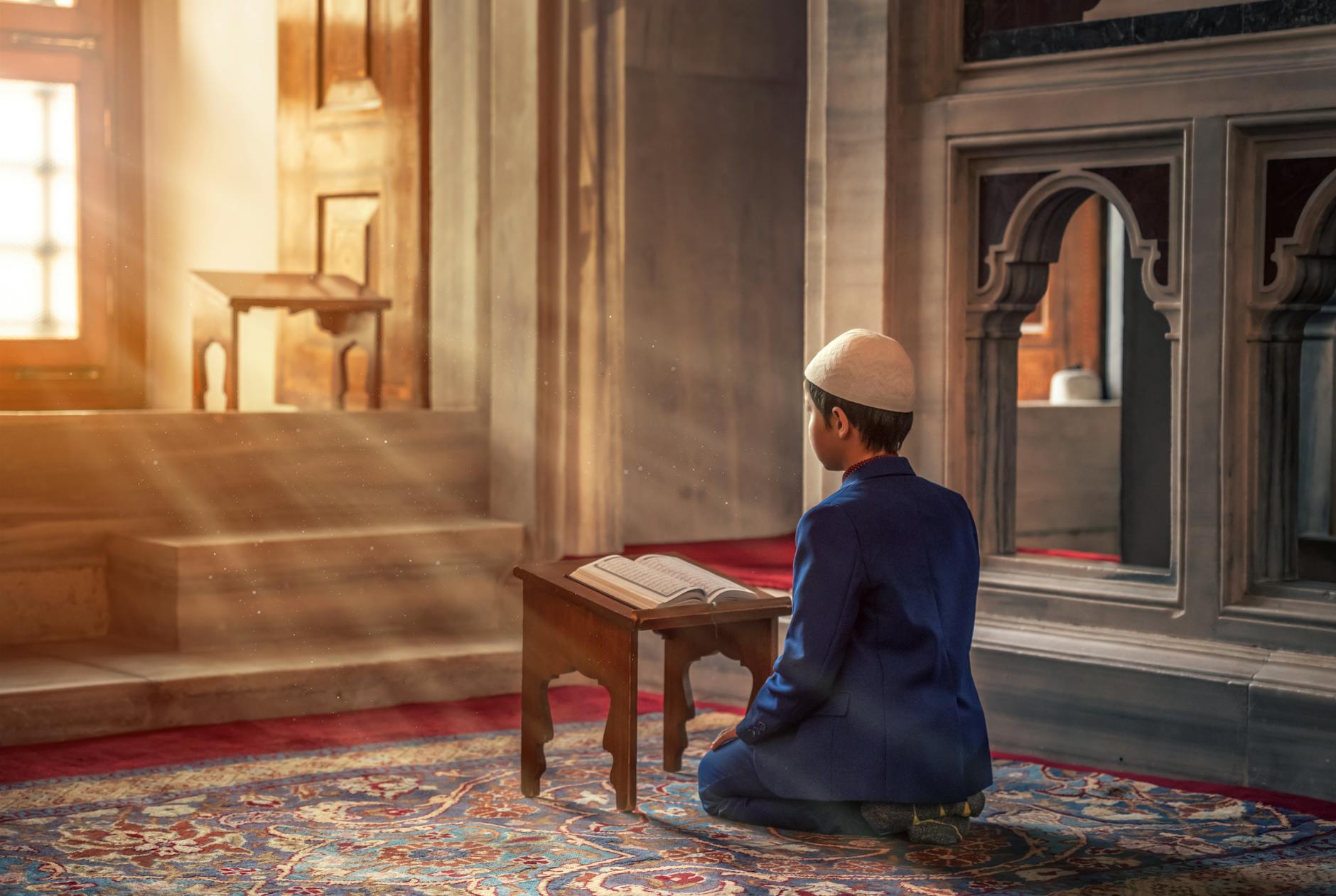
Photo by Abdullah Ghatasheh
Why Young Men Lead the Church Surge
Young men flip old scripts. Their 21% monthly attendance dwarfs women’s 12%. Why? Churches offer structure in uncertain times. Friends form fast; purpose clicks into place.
Many cite male role models or clear moral guides. A lad from Leeds might join after a mate invites him. Services provide brotherhood, rare in secular spots. This pull reverses decades of male drop-off.
How Faith Boosts Gen Z Wellbeing and Community
Faith lifts Gen Z spirits. Churchgoers report higher life satisfaction and lower anxiety. Strong ties cut isolation, key for mental health.
Prayer acts as a daily tool. Amid exam panic, a quick reflection calms nerves. Mosques offer identity for minorities, safe from bias. Picture a circle of mates in prayer after a tough day, shoulders lighter.
Activism flows from faith too. Youth groups run food banks or justice drives. Online rituals, like shared TikTok devotions, blend worlds. Global data links involvement to less depression risk. Strict rules can add stress, but balances exist.
Communities shine in crises. Post-grief, a church supper heals. Mosque youth aid refugees, building bonds.
Demographic Differences in Engagement
Gaps show by group. Men rise fast; women hold steady but lower.
Ethnicity matters. Black and South Asian Gen Z flock to Pentecostal churches or mosques. African-led services pulse with rhythm.
Class and region vary. Cities mix faiths; poorer areas lean on church support for warmth and aid. Urban diversity sparks blends, rural spots keep traditions alive.
Conclusion
Gen Z marks shifts: a religious minority, yet spiritual majority. Church attendance climbs to 16% monthly; mosques hold firm. Wellbeing gains and community strength follow.
By 2026, expect hybrid faith: apps plus pews, stress on belonging. Spirituality adapts, blending rituals with real needs.
Pause and think: how does faith fit your life? Try a service nearby. Watch diverse young faces in quiet reflection. Faith endures, offering Gen Z steady ground amid change.
(Word count: 1492)