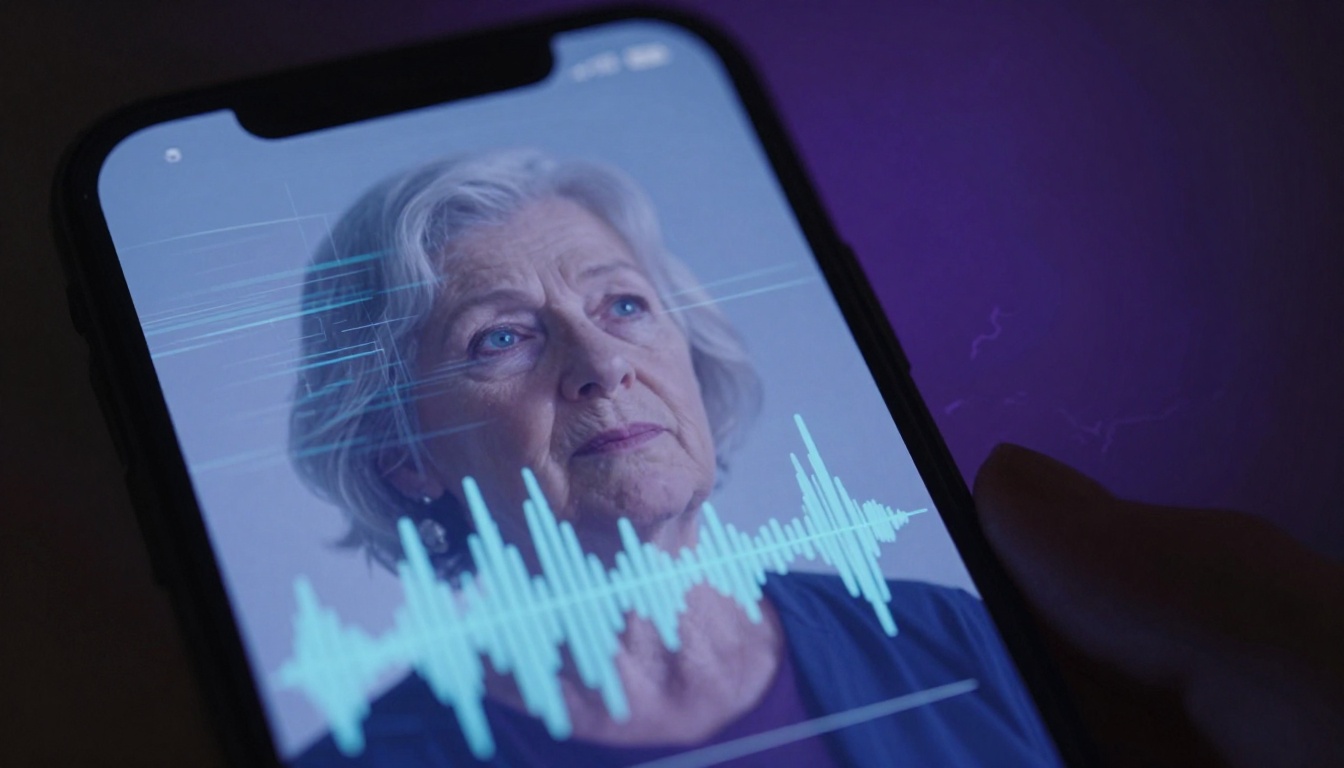

Listen to this post: How Scammers Use AI Voices to Fool You and What to Spot
Picture this: your phone rings late at night. A desperate voice cries out, “Gran, it’s me, Tom. I’ve been in a car crash abroad. They won’t let me go without £5,000 for medical bills. Please send it now.” The voice sounds just like your grandson. Panic sets in. You wire the money without a second thought.
Stories like this hit UK families hard. In 2025, fraud losses topped £1 billion in just three months, with AI voice scams playing a big part. Experts predict global losses could hit $12.5 billion by 2026. Here in the UK, 28% of adults faced these tricks last year, and 73% got scam calls overall. Banks like Starling warn of a 400% jump in voice cloning fraud. O2 blocks over 50 million dodgy calls monthly.
This post breaks it down. You’ll see how scammers clone voices fast, hear real cases from 2025 and 2026 that drained bank accounts, and learn clear signs to spot fakes. Plus, simple steps to protect yourself and loved ones. Stay sharp; most scams stop at your front door.
How Scammers Clone Voices in Seconds with Cheap AI
Scammers sit at basic laptops, armed with your voice. They need just three seconds of audio. Maybe from a social media reel where you laugh at a family party. They paste it into free AI tools. Seconds later, out comes a clone that matches your tone, speed, even breaths.
The process stays simple. First, they snag the clip. Next, AI software like ElevenLabs or Play.ht analyses it. Patterns emerge: pitch rises on questions, pauses fill natural gaps. The tool rebuilds the voice to read any script. Add emotion, like fear or anger, and it fools ears trained on the real thing. New apps like VocalBridge dodge voice security checks banks use. Retailers face over 1,000 fake calls daily now.
Imagine a fraudster in a dim room. Your Instagram story plays. He types: “Dad, help, police have me.” The AI spits out a plea that sounds real. Families crumble under the weight. Bosses hear “urgent deal” from a cloned CEO and approve transfers. In 2025, these scams surged 400%. UK firms lost millions. Anyone posts voice online risks this. Tools cost pennies, run on phones. Detection lags behind.
For details on rising AI fraud tactics, check NatWest’s report on 2024’s fastest growing scams.
Where They Steal Your Voice From
Scammers hunt easy targets. TikTok dances with your chatty voice top the list. Facebook Live sessions during holidays give clear samples. Voicemails left on old numbers sit ripe for grabs. LinkedIn videos praising teams offer boss-like clips.
Post a voice note celebrating a win? They clone it for “emergency” begs. UK families lost thousands from social clips turned into jail pleas. One gran sent £10,000 after a fake “grandson” call from her TikTok laugh. Limit shares. Go private on profiles. Think twice before voice posts hit public feeds.
Why Anyone Can Do It Now
Back in the day, voice fakes needed studios and experts. Not in 2026. Apps cost under £10 a month. No coding skills required. Upload audio, pick accents, tweak sobs. Teens test them for pranks; crooks scale up.
Predictions point to more hits as AI sharpens. Tools mimic dialects, stutters, coughs. UK stats show 19 million lost cash last year. Barriers vanished. Your voice turns weapon with a click.
Real Scams That Fooled People in 2025 and 2026
Heartbreak struck a UK energy manager last year. His phone buzzed with the CEO’s voice: “Urgent wire to this account. Deal closes now.” He sent £190,000 before doubts hit. Too late. Follow-up email sealed the trick.
Engineering giant Arup bled deeper. Staff joined a video call with deepfake bosses demanding £20 million transfer. Faces matched voices. Funds vanished overseas. Hong Kong mirrored it: a worker lost £20 million to cloned execs. Families fared worse. Mums got calls from “daughters” abroad, hurt in crashes, needing bail. One sent £15,000 in gift cards. North Koreans posed as job hopefuls, scamming US firms with perfect English clones.
UK losses hit £1 billion in three months. 70% of family scam victims missed the fakes. Retailers log 1,000 AI calls daily. Everyday folk pay: pensions drained, trusts shattered. See Which?’s rundown of 2025’s biggest scams for more cases.
Family Crises That Break Hearts
Gran picks up. “Nana, it’s Jake. Arrested in Spain. Need £500 for bail or jail tonight.” Voice cracks like the real teen’s. She rushes funds. 70% can’t spot these. UK examples flood reports: abroad “accidents,” kidnapped “kids.” One pensioner lost £8,000 to a “grandkid’s” cloned sob from Facebook audio. Panic blinds reason.
Boss Impersonations That Drain Bank Accounts
“Team, emergency payout. Use this crypto link.” Cloned chief’s bark works. Arup’s £20 million case stunned. Staff saw video lips sync fake words. Hong Kong finance hit echoed it. UK managers wired thousands under “deal” pressure. Emails followed with spoof details. Banks reimburse some, but pain lingers.
Spot AI Fakes Before You Send Money
Gut feelings save cash. Voice wobbles? Hang up. Urgent cash via wire, crypto, or vouchers? Red flag. They dodge video chats, push secrecy. Stories shift: crash location changes mid-call. Background noise jars; pub roar on a “hospital” line. UK scammers rush talk to block bank checks.
Always verify. Call back on known numbers. Ask personal facts like pet names. Don’t trust ears alone. Apps detect clones now. Banks flag odd patterns. You’ve heard these pleas lately? Pause. Most fakes crumble under questions.
Expect a surge in 2026, per MadeForMums on protecting families from AI calls.
Listen for These Voice Clues
Ear trains quick. Unnatural pauses stretch too long. Breathing stays flat, lacks rhythm. Tones flip robotic on long words. Detection apps like Hive scan calls. Test clips online. Real voices waver; fakes repeat patterns.
Watch the Story and Pressure
Plots hole up. “Can’t tell parents” hides checks. Demands hit fast: pay now or lose all. Secret channels like Telegram scream scam. Gut screams too. Trust it.
Stay One Step Ahead of AI Voice Scammers
Arm yourself simple. Set family codes: pet names, childhood spots. Share with kin. Odd call? Hang up, ring back on saved numbers. Never rush sends. Banks offer scam alerts; turn them on. Cut voice posts online or lock profiles tight. Report hits to Action Fraud fast.
Vigilance blocks most. You’ve got the tools now. Scammers thrive on surprise; you steal it back. Share this with parents, grandparents. One alert saves a fortune. In a world of cloned pleas, your caution rings true. What’s your safe phrase? Start today.
(Word count: 1492)