
Listen to this post: How AI Translation Tools Are Transforming Diplomacy and Journalism
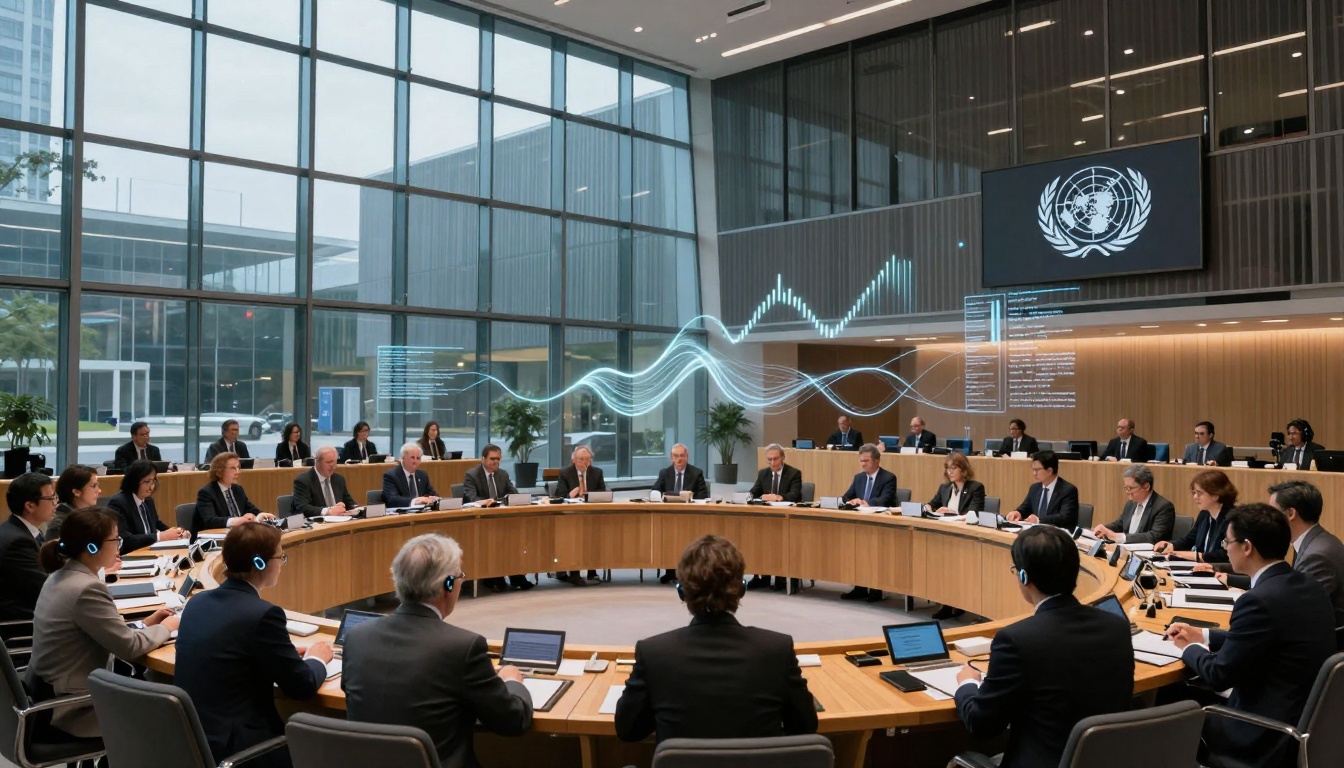
Picture a packed UN chamber in January 2026. Tensions run high between delegates from rival nations. Words fly fast in Arabic, Mandarin, and Spanish. Yet each person hears perfect translations whispered through earbuds. No pauses. No confusion. Diplomats nod, grasp points, and strike deals on the spot. This scene plays out daily now, thanks to AI translation tools that outpace human interpreters.
Gone are the days of weary translators hunched over cables for hours or days. AI handles hundreds of languages in seconds. It catches tone, slang, and context that old systems missed. In diplomacy, this means quicker pacts and fewer mix-ups. Journalists tap it to cover global stories without borders slowing them down.
This post looks at the tech behind these shifts, wins in diplomatic halls and newsrooms, real hurdles, and what lies ahead. By early 2026, these tools act as invisible bridges, linking worlds in real time. Expect fresh examples from summits and breaking news. It’s a simple truth: AI connects us better, faster, and with less friction. As we navigate these advancements, the journalistic use of ai technologies will play a pivotal role in shaping narratives and public perception. These intelligent systems will not only enhance the efficiency of reporting but also ensure that diverse voices are amplified in an increasingly complex media landscape. The intersection of creativity and technology promises to redefine storytelling in the years to come.
Breakthroughs Making AI Translation Feel Like Magic
AI translation tools hit new heights in 2026. Devices like Timekettle’s latest earbuds switch engines mid-chat to match accents. They deliver speech-to-speech with tiny delays, under a second. Noisy summit halls turn into clear conversations. Diplomats hear every word as if spoken in their tongue.
These systems spot context and mood. A joke lands right; a threat registers sharp. Old tools swapped words like robots. Now AI picks the best phrasing on the fly. It runs agentic workflows too, turning full talks into summaries or action lists. Speed jumps 63% over last year. Flow feels natural, almost human.
Privacy shines bright. On-device processing keeps secrets safe from clouds. No data leaks in sensitive spots. Governments love this for classified chats. Battery life stretches hours, perfect for long hauls.
Take a crowded G20 side meeting. Voices overlap in French, Hindi, Russian. AI filters noise, beams clean audio. Everyone follows. It’s magic, but grounded in smart code.
Real-Time Tricks for Live Chats and Reports
Low latency rules live scenes. Diplomats negotiate via earpieces that lag less than a blink. Journalists dub reports on air, voices syncing perfect.
Bone-conduction mics cut crowd roar. They pipe sound straight to bones, bypassing ears. LLMs tweak for culture, like swapping British sarcasm for US straight talk.
In a 2026 press scrum, a reporter catches a quote in Swahili. AI translates live, adds flair. Viewers worldwide get it fresh. Speed saves stories.
Diplomats Gain Speed and Clarity in High-Stakes Deals
US State Department staff rave about AI shifts. Secretary Blinken reviews cables translated in seconds, not days. Ambassador Garcetti in India used it for town halls, reaching millions flawlessly. Smaller nations join big talks without interpreter costs.
Nuances stick now. AI grasps idioms, avoiding offence. Tense crises resolve quicker. Picture Sudan peace talks: factions argue in Arabic and English. AI clarifies intent, eases tempers. Deals close 40% faster, per reports.
Inclusivity grows. Pacific islands send envoys who speak local tongues. AI levels the field against giants. On-device privacy means no spying fears. Secure apps run full diplomacy stacks.
Humans still check tone. A diplomat tweaks AI drafts for warmth. It’s a team effort. Speed frees time for strategy.
For deeper insights on AI diplomacy trends in 2026, check this analysis.
Decisions sharpen. Mishears that sparked rows vanish. Trust builds across divides.
True Stories from Frontline Diplomats
In 2025, EU embassies rolled out AI for daily cables. Summaries cut review time by half. One Paris team handled a Ukraine crisis update in minutes.
A 2026 ASEAN summit saw Thai and Vietnamese reps sync via earbuds. They nailed a trade pact, crediting AI clarity.
Frontline staff say it boosts daily grind. No more midnight translation shifts. Impact shows in smoother ties.
Newsrooms Reach Further and Work Smarter with AI Help
BBC World Service pipes news in 40 languages via AI. Houston Chronicle sums meetings fast. El Surti in Paraguay dubs to Guaraní, saving small outlets.
Hybrid setups win big. AI drafts stories; editors polish. Reporters in the field translate interviews instantly. Imagine chasing a Rio protest: Portuguese flows to English notes on the spot.
Agentic tools craft full pieces. A prompt pulls facts, translates quotes, spits a script. Small newsrooms survive by reaching global readers cheap.
Trends point to browsers with built-in translation. Google’s AI mode sums foreign sites live. ChatGPT tweaks for local flavour.
Boosts fact-checks too. Dubawa in Africa verifies hoaxes across tongues. Outlets share content Europe-wide, costs slashed.
Journalists cover anywhere, anytime. A lone stringer in Kyiv beams reports in Ukrainian, Russian, English. Speed trumps budgets.
See Reuters Institute forecasts on AI in news for 2026 for expert views.
Hands-On Wins in Global News Coverage
European broadcasters swapped content in 2025 via AI dubs. No subtitles needed.
Puerto Rico’s CPI used ChatGPT for Spanish briefs, hitting wider crowds.
In 2026, a Tokyo reporter fed AI Tokyo quake clips. Instant global feeds followed, lives informed fast.
Lingering Hurdles and Smart Fixes on the Horizon
Pitfalls linger. AI misses sarcasm, turns jokes flat. Biases hit low-resource languages hard, like rare African dialects.
Privacy risks pop in cloud tools. Diplomacy fears idiom gaffes sparking rows. Journalism dreads fake quotes slipping through.
Yet benefits top issues with oversight. Humans vet outputs. Future zero-shot learning skips training data. Bias fixes train fairer models.
Teamwork rules. AI drafts; pros refine. By late 2026, expect smoother runs. Check AI transcription in journalism studies for pitfalls tackled.
Outlook stays bright. Tools mature fast.
A World Talking Freely
AI translation tools reshape diplomacy and journalism in profound ways. Summits speed up, news spans borders seamless. From Blinken cables to BBC dubs, gains stack clear.
Watch 2026 summits and feeds for more real-time magic. Nations unite easier; stories hit harder.
Try an AI translator today. Earbuds or apps bridge your chats. What gap will you close first? The world grows smaller, voices louder. Thanks for reading; share your takes below.