

Listen to this post: The Global Polycrisis Risk: Crises Colliding in 2026
Imagine a juggler in a dark arena. He tosses up one flaming ball, then two, three. Each pass works fine alone. But add wind, slippery shoes, and a shaking platform. Balls collide mid-air, flames spread, the whole act crashes down in seconds. That’s polycrisis in a nutshell. Several major problems strike together. They don’t just add up. They feed off each other, spark bigger fires, and hit harder than anyone expects.
The term comes from thinker Edgar Morin in the 1970s. He saw how issues link in complex ways. EU leader Jean-Claude Juncker revived it in 2016 amid Brexit and migration waves. Fast forward to January 2026. Interconnected systems make it a top global risk. Supply chains span continents. Climate shifts ripple through food prices and borders. One snag pulls everything loose. As businesses navigate these challenges, they must consider global risks influencing corporate strategies in their decision-making processes. This requires not only a keen understanding of the external environment but also a commitment to building resilience across operations. Companies that adapt effectively will be better positioned to thrive amidst uncertainty and evolving market dynamics.
Right now, we face climate disasters, wars, economic squeezes, AI unknowns, and pandemic shadows. Heat records from 2025 still burn. Wars disrupt grain ships. Debts pile up. AI guzzles power while jobs vanish. These don’t stay separate. A flood displaces people. They strain cities already short on cash. Tensions boil over into fights. The World Economic Forum’s latest survey flags this tangle as urgent.
This post breaks it down. We’ll spot how polycrisis works, eye the biggest threats for 2026, and map real steps to push back. Knowledge spots the collisions before they happen.
How Polycrisis Differs from Single Crises
Single crises feel manageable. A storm hits one town. Teams rebuild fast. Aid flows in. Life snaps back. But polycrisis plays dirty. Problems overlap and poke each other. They form loops that spin out of control.
Picture those juggling balls again. One ball is war. It blocks food exports. Prices jump. That’s hunger in far-off cities. Hungry crowds protest. Governments crack down. Economies stall. No cash means no weapons or aid. The war drags on. Each step worsens the next. Total damage dwarfs what one crisis alone would cause.
Isolated events let you fix one thing at a time. Polycrisis tangles them. Solve the economy? It might spike emissions and fuel climate woes. Global ties make it worse. Finance zips around the world in seconds. Trade routes link factories from Asia to Europe. A drought in Brazil hits car parts in Germany. Post-pandemic supply chains stay brittle in 2026. One factory halt cascades.
Experts polled by the WEF Global Risks Report 2026 see this clearly. Over 1,300 voices agree: short-term shocks blend into long slogs.
Real-World Markers of a True Polycrisis
Spot a polycrisis by its signs. Feedback loops top the list. Climate melts ice. Less ice means faster warming. That sparks migration. Crowds strain local resources. Unrest follows. Loops tighten.
Impacts amplify too. Ukraine’s war spiked energy costs. That fed inflation. Droughts cut harvests. Food riots grew. One war became a world squeeze.
Interdependence seals it. No crisis stands alone. Floods spread disease. Trade fights idle factories. In 2026, fragile chains show every link matters. The same holds true for frozen conflicts in eastern Europe, where the unresolved tensions perpetuate instability and hinder economic cooperation. Neighboring nations find themselves caught in a cycle of dependence and vulnerability as political strife diverts resources from growth. Consequently, even distant events can ripple across borders, affecting trade agreements and regional security. As we look ahead to global health initiatives in 2025, collaboration among nations will be crucial to address health disparities exacerbated by recent crises. These initiatives must prioritize the most vulnerable populations, ensuring that resources are allocated effectively to prevent future outbreaks. Ultimately, a unified approach will not only strengthen public health but also bolster economic recovery across regions.
Top Polycrisis Threats Facing Us in 2026
2026 kicks off with warnings blaring. The WEF ranks geoeconomic confrontation as the biggest short-term risk. Trade barriers and sanctions clash like ships in fog. Economic downturns and inflation climb charts too. Over 10 years, inequality threads through it all.
Climate stays grim. An 11-year heat streak ended 2025. Storms batter coasts. Fires ravage lands. Crops fail in key spots. Geopolitics heats up. US steps back from pacts. Resource grabs loom, like eyes on Greenland’s meltwater.
AI surges as a wildcard. It promises gains but chews megawatts. Jobs shift overnight. Misuse risks hacks or deepfakes stirring hate. Pandemics lurk. Floods and crowds speed germs.
Progress glimmers. Denmark powers ahead with wind farms. But budgets strain. Green projects pause amid cuts.
| Crisis | 2026 Events | Polycrisis Links |
|---|---|---|
| Climate | Record storms, Antarctic highs | Fuels migration, strains aid budgets |
| Geopolitics | Trade wars, norm tests (Venezuela oil) | Slows emission deals, spikes prices |
| Economy | Debt bubbles, tariff hits | Halts green shifts, widens gaps |
| AI | Power surges, job waves | Boosts emissions, adds unrest |
| Pandemics | Flood-spread diseases | Hits weak economies hardest |
These pile on. One report calls it an “age of competition.” Leaders see turbulence ahead: half expect storms in two years.
Climate and Geopolitics: The Deadliest Mix
Heat doesn’t fight alone. It arms geopolitics. Resource scraps ignite over water or land. Wars pause green goals. Emission cuts stall.
LA fires in late 2025 charred homes. Antarctic logged odd highs. US pushes fossils again. Greenland tensions simmer as ice retreats. Fights over Arctic routes grow.
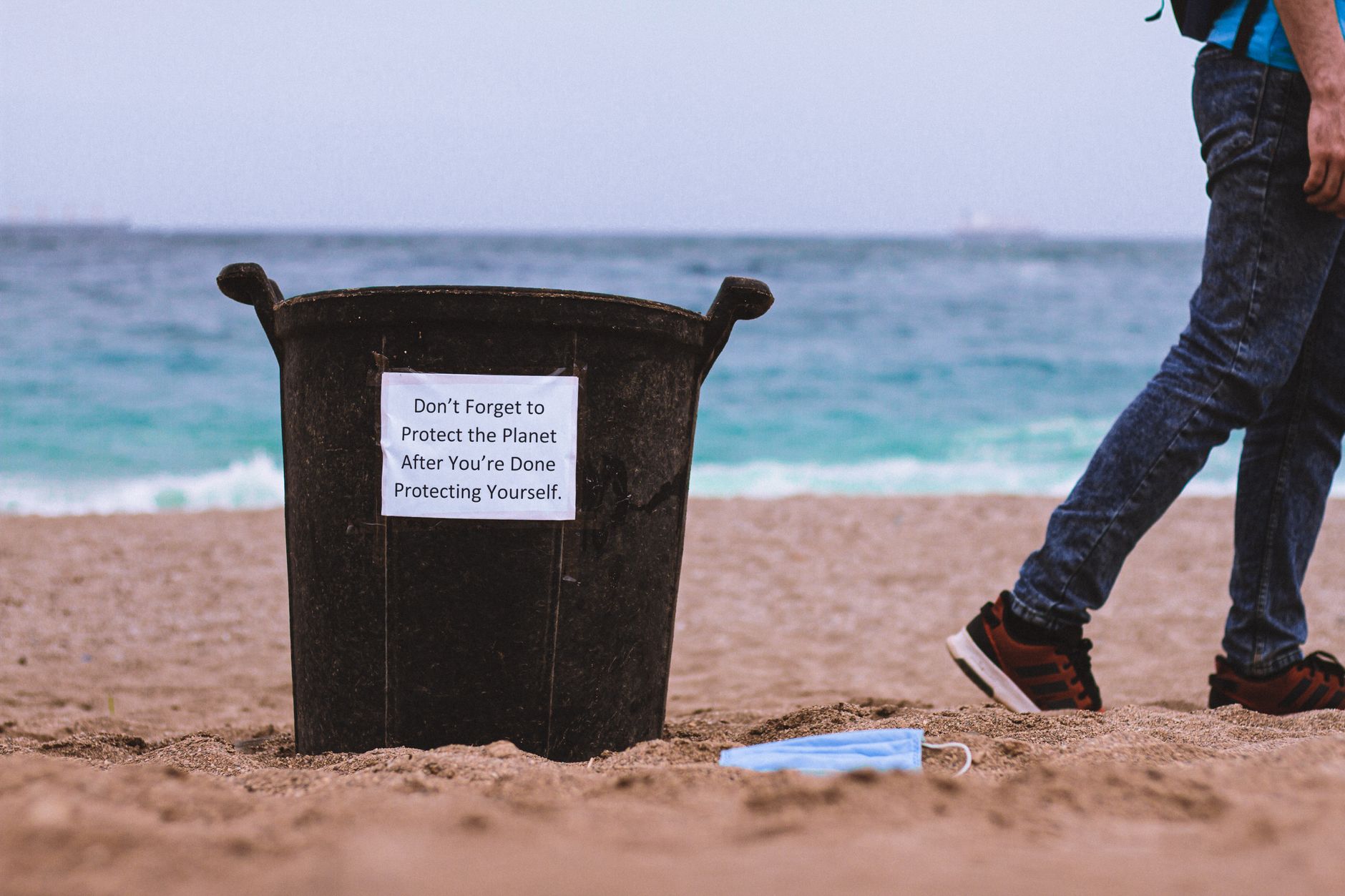
Photo by Dhaya Eddine Bentaleb
Climate shoves people. Borders buckle. Wars divert funds from dykes or forests.
Economic Shocks and Tech Wildcards Like AI
Budgets creak. Disaster aid waits. IRA green cash faces axe. Tariffs bite Asia. Bubbles in assets threaten pops.
AI piles on. Data centres thirst for power. That lifts emissions. Gains stay hype-heavy; jobs flee fast. No quick wins show. Inequality swells as tech skips many.
Pandemics fit the gap. Prep lags amid cuts. One outbreak tips weak states.
The WEF’s top risks outlook ties it tight.
Ways to Fight Back Against the Polycrisis
Leaders can’t swing blind. Spot links first. Map how a tax shift hits climate or jobs. Build plans that bend, not break.
Invest in eyes on the ground. Early warnings spot floods before peaks. Green tech scales fast. Wind and solar drop costs yearly. Denmark proves it: half power from breeze.
Cooperate, even if fists clench. Share data on diseases. Joint patrols calm seas. Test fixes small. Does a dam help floods but hurt fish? Adjust quick.
Businesses stock diverse suppliers. Cut single-point fails. People adapt local. Plant gardens. Vote for joined policies. Back net-zero firms.
Act now trims tomorrow’s bill. Past pandemics taught stocks matter. Storms show walls save lives. Silos lose; links win.
You hold power. Track news in My Feed. Push MPs for cross-issue plans. Small shifts stack up.
Steady Hands in the Storm
Polycrisis brews real. Crises crash together in 2026: geoeconomic clashes, climate hammers, AI jolts, economic pins. Loops amplify pain. But grasp the web, and you break it.
We’ve mapped differences, top threats, fight-back paths. Knowledge turns dread to drive.
Stay sharp with CurratedBrief’s updates. Tailor My Feed to risks that hit home. Urge leaders for linked fixes. Denmark’s winds show change works.
Picture that juggler again. Steady hands learn the rhythm. Balls stay aloft. We adapt too. Progress waits for those who see connections.
(Word count: 1492)