
Listen to this post: Forests, Fires and Frontlines: Indigenous Communities in the Climate Crisis
Smoke chokes the sky above ancient forests. Families grab what they can and flee their homes as flames race closer. These scenes play out too often now. Indigenous communities stand on the front lines of this crisis. They live near forests that burn more fiercely due to climate change. Hotter summers, drier soils, and longer fire seasons hit them first and hardest.
In Canada, First Nations people make up just 5% of the population. Yet they accounted for 42% of wildfire evacuations in recent years. The 2025 season ranked as the second worst on record. Over 85,000 people fled, including 45,000 from 73 First Nations communities. These groups face repeated threats to their lands, health, and way of life.
This post looks at why wildfires strike Indigenous lands so hard. It shares real stories from survivors. It highlights traditional methods that fight back. And it points to hope through self-led efforts. Facts draw from 2024 to 2026 events to show the full picture.
Why Wildfires Hit Indigenous Lands Hardest
Climate change fuels bigger fires. Droughts last longer. Heat waves bake the ground. Winds spread flames faster. Forests that once held moisture now crackle dry.
Canada burned 7.6 million hectares in 2025. That’s an area bigger than some countries. First Nations bore the brunt. In 2023 alone, 93 communities evacuated. Smoke clouds lungs and eyes. It triggers asthma and heart issues, especially in remote spots with poor clinics.
Displacement rips families apart. Sacred sites turn to ash. Elders lose homes built over generations. Repeated fires mean no time to rebuild. In Saskatchewan, Alberta, and Manitoba, communities face this cycle yearly. One fire in Manitoba scorched 447,000 acres over 116 days. Kids grow up knowing the drill: pack bags, board buses, head to unfamiliar cities.
These lands hold cultural roots. They provide food, medicine, and ceremony grounds. Fires steal that security. Health harms linger from toxic smoke. Poor evacuations add stress. Yet numbers tell the tale: Indigenous people form most evacuees despite tiny populations.
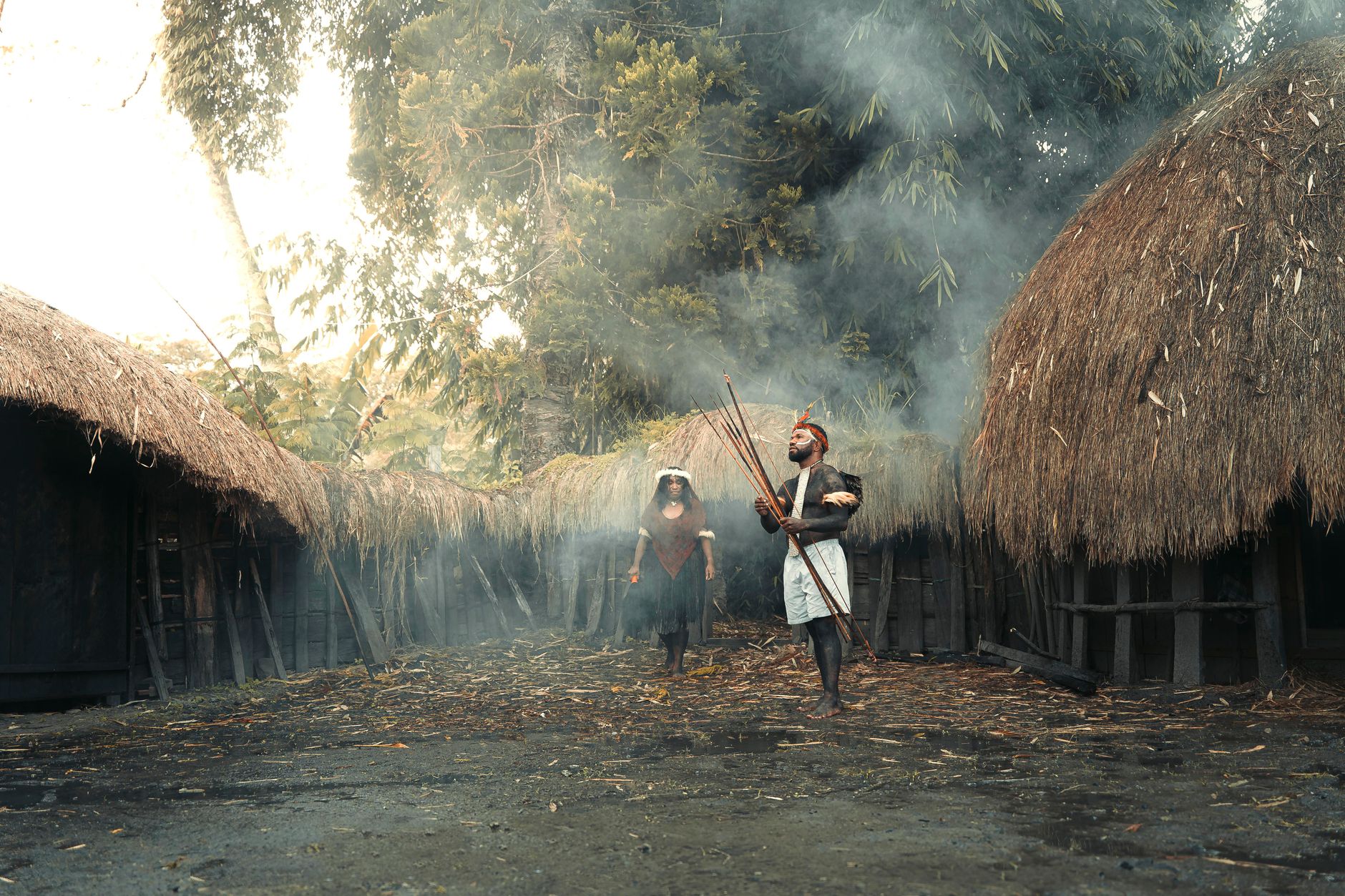
Photo by Asso Myron
Canada’s Northern Communities Under Siege
Northern Canada feels the heat most. Places like Wemotaci and Unamen Shipu build clean air shelters. Smoke traps people inside for weeks. Cree communities watch flames circle their reserves.
About 80% of First Nations sit at high fire risk. Evacuations send them to cities hours away. Kids miss school. Hunters lose trails. In 2025, support came late for some. Government updates on 2025 wildfires show the scale: thousands displaced again.
Picture a grandmother clutching photos as buses roll out. She returns to charred stumps. No berries grow. No fish run clean streams. These cycles break spirits. Funds help, but self-rule speeds fixes.
Global Hotspots: Brazil, Australia, and the US
Fires rage worldwide. In Brazil’s Amazon, Xingu Territory saw blazes chew vast lands. 2025 brought fewer hotspots, down 59% from 2024 thanks to rain and teams. Still, Indigenous reserves like Tapajós-Arapiuns struggle with few brigades for huge areas. Studies on Brazil’s fire brigades stress their role.
Australia’s Manjimup fire razed bushland near Aboriginal lands. Drought and El Niño worsened it. Klamath Tribes in Oregon, US, lost timber and habitat. Patterns repeat: dry spells spark infernos.
These spots mirror Canada. Indigenous groups guard biodiversity hotspots. Fires threaten that duty. Health hits from smoke match northern woes.
Voices from the Frontlines: Real Stories of Survival
People fight back with grit. In British Columbia, Secwépemc Nation members planted one million trees after 2017 fires. They replanted slopes to hold soil and water. One elder said, “We lost our mountain, but we’ll grow it back.”
In Brazil’s Xingu, fire brigades patrol vast territories. They mix foot tracks with satellite alerts. Youth join to protect ancestral homes. A brigade leader shared, “Flames come fast, but we know the land’s breath.”
Oregon’s Lomakatsi trains Klamath youth in fire crews. They clear fuels and learn old ways. Trauma scars run deep, though. Poor evacuations split families. Kids wake screaming from nightmares of orange skies.
One Manitoba family held out as Fire WE025 exploded. Dad bucketed water till help arrived. Mum shielded kids in a ditch. They saved their cabin but lost hunting grounds. Reports detail how these fires hit hardest.
These tales show pain and power. Calls grow for Indigenous-led plans. Governments listen, but locals lead best.
Traditional Knowledge Lights the Way Against Flames
Old ways meet new tools. Cultural burns clear dry brush before big fires. They mimic natural patterns. Forest thinning keeps fuels low. Mixed woods trap moisture better.
Canada pledged $166 million for these efforts. Secwépemc hit their tree goal. FireSmart teaches safe building. Training coordinators from communities run programs. Self-determination builds trust.
Satellite apps spot smokes early. Drones map risks. Youth jobs grow with brigades. Research on fire-smart management in Canada shows bioenergy bonuses too. These steps cut risks and heal lands.
Resilience shines. Elders pass skills. Fires test, but knowledge endures.
Reviving Cultural Burns and Community Brigades
Prescribed burns by Lomakatsi restore habitats. They boost water flow and wildlife. Xingu patrols blend hikes with tech.
Benefits stack: safer lands, youth jobs, healthy ecosystems. One burn clears paths for elk. It opens jobs for 20 locals.
Hope on the Horizon
Indigenous communities face wildfires head-on. Climate worsens droughts and flames. Yet stories prove their strength. Traditional burns and brigades offer paths forward.
Support these efforts. Back policies for land rights and funds. Push leaders to listen.
Old wisdom plus modern tools can save forests. Global lessons spread. What if every fire season honoured local guardians? Act now for cooler futures.