

Listen to this post: Online Anonymity vs Real-Name Policies: The Fierce Debate
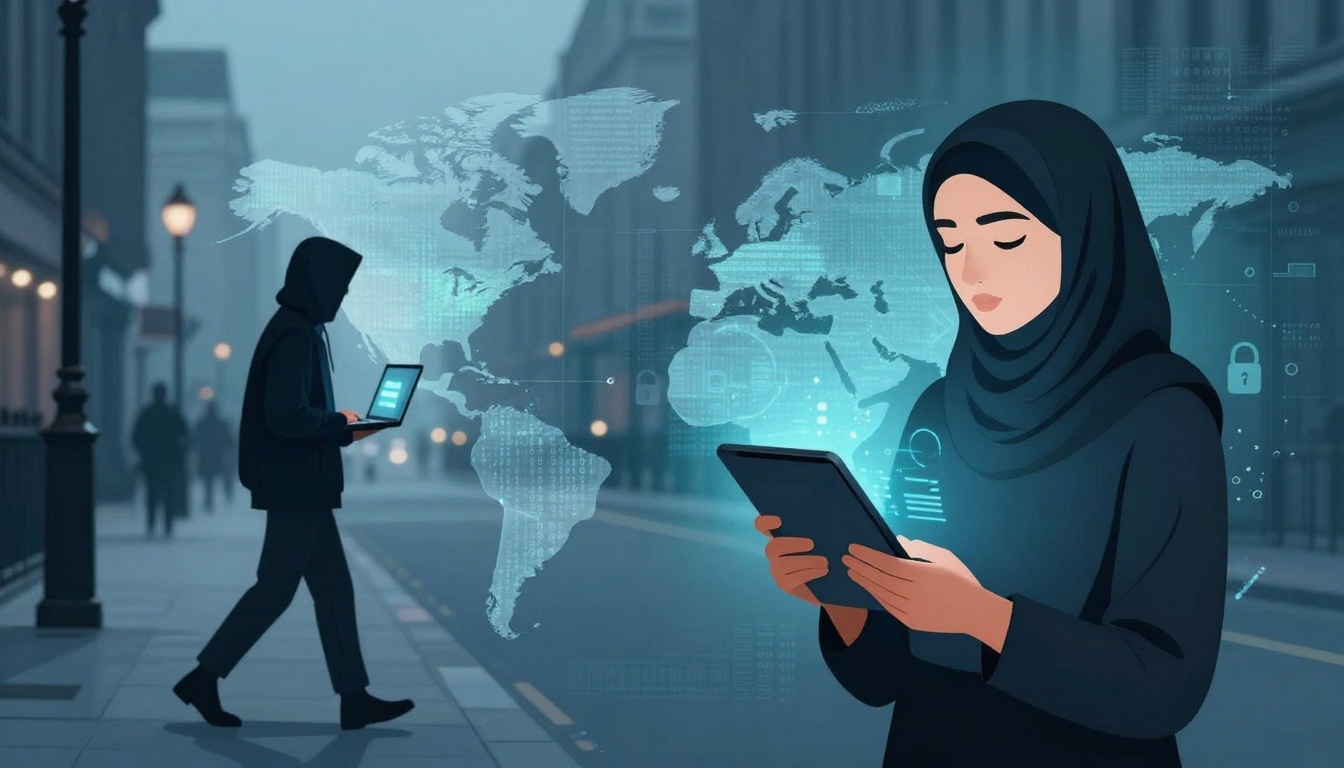
Imagine a young activist in London. She posts about police misconduct under a pseudonym. Days later, trolls track her down. They flood her workplace with calls. Her face appears on hate sites. Now picture a different scene. A whistleblower in Tehran shares proof of corruption. Anonymity shields her from arrest. These stories show the split at the heart of online life. Platforms and governments push for real-name policies to curb abuse. Yet many fear exposure brings real danger.
Tech firms claim names build trust and cut toxicity. Critics say they silence the vulnerable. This post looks at arguments for names, the risks they bring, what studies reveal, court fights, and current platform rules. With UK laws like the Online Safety Act tightening in 2026, the stakes feel higher. Does accountability trump privacy? Or does hiding protect free speech? We’ll weigh the evidence.
Reasons People Want You to Show Your Real Name Online
People push real-name rules for clear gains. They argue anonymity breeds bad behaviour. Hide behind a fake handle, and cruelty flows free. Show your face, and most hold back. Think of school bullies who taunt from shadows. Online, it’s the same. Names could tame the wild web.
Supporters point to safer spaces. Parents worry about predators lurking unnamed. Voters spot fake news from ghosts. Governments chase terrorists who vanish into crowds. Real identities promise order. They cut scams too. A fraudster thinks twice with their name attached.
Recent debates highlight this. In heated forums, anonymous rants spark fights. Named users pause and think. Platforms report fewer reports of harm when IDs check out. It’s not perfect. But fans say it’s a start toward civil talk.
How Real Names Could Clean Up Toxic Comments
Theory holds that names spark kindness. Users know eyes watch them. A study from Google found verified accounts post less hate. Anonymous boards drown in slurs. Civil sites with names hum with debate.
Picture a forum on climate change. Trolls scream “hoax” without names. Add IDs, and posts turn factual. Platforms like Nextdoor test this. They mandate names for neighbourhoods. Complaints drop. Abuse falls by half in trials.
Yet it’s no cure-all. Some named users still lash out. Still, data suggests names nudge folks toward decency. Toxic comments fade when cowards step into light.
Tech Giants Lead the Charge for Verification
Facebook started it years ago. They demand “authentic” names. ID uploads prove you exist. Scams plummet, they claim. Impersonators can’t hide.
Others follow. LinkedIn bans fakes for job hunts. X tests blue ticks for trust. Benefits shine in crises. Verified voices cut through chaos. During riots, named reports prove real.
Firms say verification stops bots. Elections stay fairer. One report shows fake accounts sway 20% of viral lies. Real names fight back.
The Real Risks When Platforms Force Your True Identity
Force names, and dangers multiply. Doxxers grab details. They post addresses. Stalkers knock on doors. Jobs vanish over past posts. In strict nations, police raid homes.
Vulnerable folks suffer first. Abuse survivors hide from exes. Activists dodge death threats. Data breaches spill names forever. Hackers sell lists on dark webs.
Stories chill the spine. A US teacher lost her post after old tweets surfaced. An Indian journalist fled after doxxing. UK cases rise too. The Online Safety Act amps verification, but privacy threats grow. Names turn words into weapons.
Trans users face “deadnaming”. Old identities haunt them. Minorities draw hate mobs. One breach exposed millions. Harassers pounced.
Doxxing Turns Online Words into Offline Nightmares
Doxxing strips shields. Post an opinion, lose your peace. Hackers leak phones, homes. Violence follows. A 2025 survey found 40% of targets faced threats.
Examples abound. Gamers swarm addresses after losses. Politicos unleash mobs. UK police log rises yearly. One woman quit work after doxxers doored her flat.
Studies link it to suicides. Names fuel the fire. Anonymity once blocked this path.
Why Marginalised Voices Suffer Most from Name Rules
Activists need cover. In repressive spots, names mean jail. UK abuse survivors dodge stalkers. Ethnic groups face slurs turned real.
Trans folks dread old names. Platforms force them, outing occurs. A 2024 report showed 30% quit sites. Minorities whisper truths unnamed. Force IDs, silence spreads.
Age checks in Europe hint at more. Anonymity lets voices bloom safe.
What Studies and Court Rulings Tell Us About the Truth
Data paints a mixed picture. Some research backs names. A 2023 paper saw less bullying on verified nets. Yet others find worse rifts. Polarised users dig in harder when named.
Anonymity fosters aid too. Kind strangers donate sans fame. Forums share tips freely. One study compared boards. Anon ones had more empathy posts.
Courts split hairs. In 2018, Germany fined Facebook for fake name bans. Users won pseudonyms. US Breyer case nixed IP grabs as speech chillers.
Now 2026 updates. UK High Court just ruled against Wikipedia. They fought Online Safety Act ID rules. Lost. Courts say big sites verify for kids’ safety. No non-profit pass.
EU leans verify too. DSA pushes checks on harms. Yet CJEU protects some anon data. UK OSA and EU DSA clash on disinformation, balancing speech.
Trends favour safety checks. But evidence questions if names fix root ills. Polarisation persists. Free talk shrinks.
How Big Platforms Handle Names Right Now
Policies vary. Facebook sticks to real names. Upload ID or face bans. Appeals drag.
LinkedIn forbids pseudonyms. Pros network open. Quora lets anon replies. But top answers need names.
X allows handles. Premium verifies. Trends tighten. Post-OSA, UK sites add age gates.
Future points to more. Ofcom fines loom. Platforms test biometrics. Wikipedia complies grumpily. Shifts brew as courts push.
Wrapping Up the Anonymity Fight
Real-name pushes promise less toxicity and scams. Yet risks like doxxing and silenced voices loom large. Studies show mixed wins. Courts back verification, especially in UK with fresh OSA rulings.
Anonymity guards free speech and shields the weak. It won’t vanish, but expect tighter rules. Support pseudonym rights. Watch EU and UK enforcement.
What about you? Do you post named or hidden? Share below. Stay safe online.