

Listen to this post: How Authoritarian Regimes Use Tech to Silence Opposition
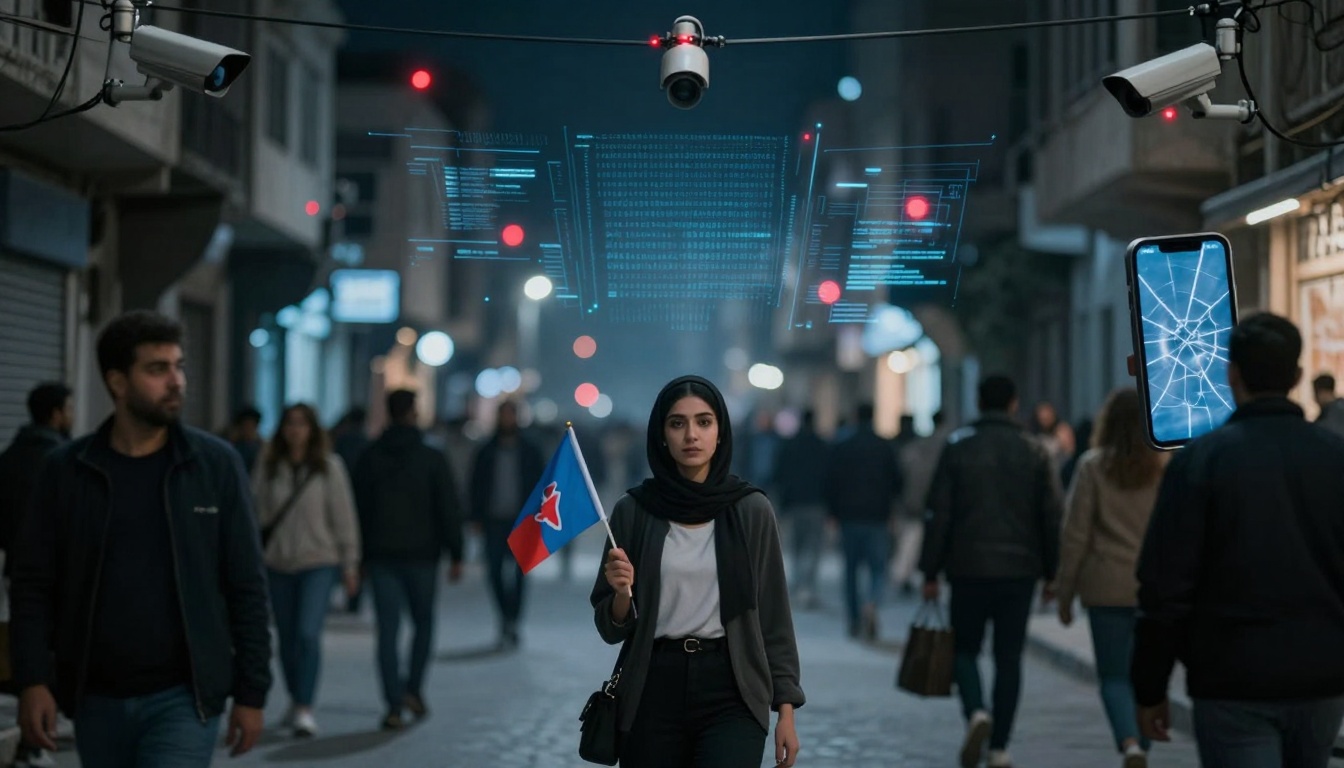
Picture this: in Tehran, January 2026, a young woman joins a rally against fuel prices. She waves a flag, chants slogans. Cameras catch her face amid the crowd. Hours later, police knock on her door. Her phone data links her to protest groups. She vanishes into custody. This scene plays out often in places like Iran. Authoritarian regimes turn common tech into weapons. China and Russia lead the way. They watch crowds, cut internet, spread lies, and hack devices.
These leaders fear change. Protests threaten their grip. So they build digital walls. Surveillance spots trouble early. Internet shutdowns stop plans. Spyware reads private chats. Censorship hides truth. Recent reports show this mix crushes voices. Freedom House notes rising controls in 2025. Regimes share tools, from China’s cameras to Russia’s software.
This post breaks it down. We look at real cases from 2023 to 2026. You will see how streets become traps, blackouts isolate families, and phones betray owners. The goal stays clear: grasp these threats to freedom. Awareness fights back. Can tech always serve good, or does power twist it?
Surveillance Cameras and AI Track Protesters in Real Time
Crowds fill streets in Minsk, 2020, but tech catches up by 2026. Facial recognition scans faces. AI matches them to databases. Social media photos help. Phone signals pinpoint locations. Arrests follow fast. Protesters feel eyes everywhere. A mask hides identity, yet gait analysis spots walks. Drones hover above.
In busy markets, cameras blend in. They feed data to centres. Algorithms flag dissent. A raised fist or slogan triggers alerts. Police arrive in minutes. This setup breeds fear. People stay home. Self-censorship spreads. Why risk a stroll that leads to jail?
Biases hit hard. Systems err on dark skin or minorities. Uyghurs in China suffer most. Protesters in Belarus face the same. Activists wear hats, scarves. Some paint faces. But upgrades beat tricks. Regimes claim safety. Critics see control.
China sets the pace. Huawei cameras cover “safe cities.” Over 600 million units watch roads, shops. AI links to IDs. Protests fade before they grow. Russia tests similar on war foes. In 2025, Moscow scanned rallies for critics. Belarus used it in 2024 elections. Fear keeps streets quiet.
China’s Vast Network Sets the Global Standard
China’s system dwarfs others. The Great Firewall blocks sites. Apps need real names. SIM cards tie to IDs. AI scans posts, deletes them in seconds. In 2024, authorities banned ChatGPT. Fears of foreign ideas run deep.
This tech exports well. Iran buys cameras for 2026 rallies. Huawei aids the watch. Uyghur camps use it first. Protests meet quick raids. Self-censorship grips the nation. China shares with 80 countries. A model for control.
Russia and Allies Follow Suit
Russia passes laws. Social media faces jail for “fakes.” Bots flood chats with state lines. AI monitors expats abroad. In 2025, it caught critics in Europe.
Belarus copies. Post-2020, cameras track demonstrators. Myanmar tests on rebels. Shared code from Moscow speeds it up. Protesters hide phones. Yet networks grow. Dissent shrinks.
Internet Blackouts Silence Calls for Change
Protests brew online. Plans spread on apps. Then lights go dark. No WhatsApp, no Twitter. Organisers lose touch. News stops. Governments pull the plug. In 2025, 97 shutdowns hit worldwide. Russia logged 57. Iran cut power for 130 hours in January 2026 alone.
Myanmar faced year-long blackouts in civil war zones. Millions lose contact. Families worry. Students miss classes. Banks freeze. Shops close. Billions in losses pile up. Yet regimes win silence.
Iran keeps a “kill switch.” Local sites stay on for propaganda. Protesters turn to VPNs. Governments block them too. Starlink tries to help, but jammers fight back. Daily life grinds down. A mother cannot call her son in a protest zone. Hope fades in the quiet.
Pakistan mimics China. Shutdowns guard elections. Costs hurt poor most. Global firms push back, but tech sells cheap. Human toll mounts. Voices vanish.
For deeper stats on rising shutdowns, check Freedom House’s 2025 internet freedom report.
Iran and Myanmar’s Harsh Cuts
Iran ramps up in unrest. 2023 protests over a woman’s death saw nationwide cuts. 2026 brings more. Mobile networks die first. Fixed lines follow. Drones jam signals.
Myanmar’s junta blacks out rebel areas. Since 2021 coup, internet stays off. 2026 sees wider use. Civil war rages. Tools from China aid blocks. Families split. Aid stalls.
Spyware and Fake News Control Minds from Afar
Your phone buzzes. A link tempts a click. Spyware slips in. It reads texts, tracks moves. No sign shows. Pegasus leads the pack. Governments buy it quiet. Opposition leaders fall first.
Social feeds fill with bots. Lies drown truth. Russia trolls Ukraine skeptics. Iran hits journalists. Deepfakes trick eyes, but text floods faster. Myanmar posts junta wins amid fights.
North Korea locks to an intranet. No outside world. Regimes predict unrest. Data shows moods. Police act first. What if your device turns foe?
Tips help: Update apps, avoid strange links. Use encrypted chat. Yet sales boom. NSO Group ships to 50 states.
Pegasus and Phone Hacks Hit Leaders
Pegasus infects without clicks. Targets exile politicians. Pairs with face scans. Global deals thrive. In 2025, Iran used it on reporters. Russia on oligarchs.
Sales hit billions. Leaks show abuse. Opposition scrambles. Secure phones cost more. Fight stays on.
Regimes team up more. China sells to Iran in 2026. Russia shares spyware. Myanmar gets cyber aid. Belarus plugs in. An axis forms.
Conclusion
Surveillance traps crowds. Blackouts cut lines. Spyware spies close. Examples from China, Russia, Iran, Myanmar, Belarus prove it. Tech once freed speech now chains it.
Hope lingers. Activists code apps like Signal. Global eyes watch. Pressure works. Sanctions slow sales.
Support groups for open nets. Check your settings today. Tech shapes our days. Fight for its free side. Will you stand for voices online?
(Word count: 1487)