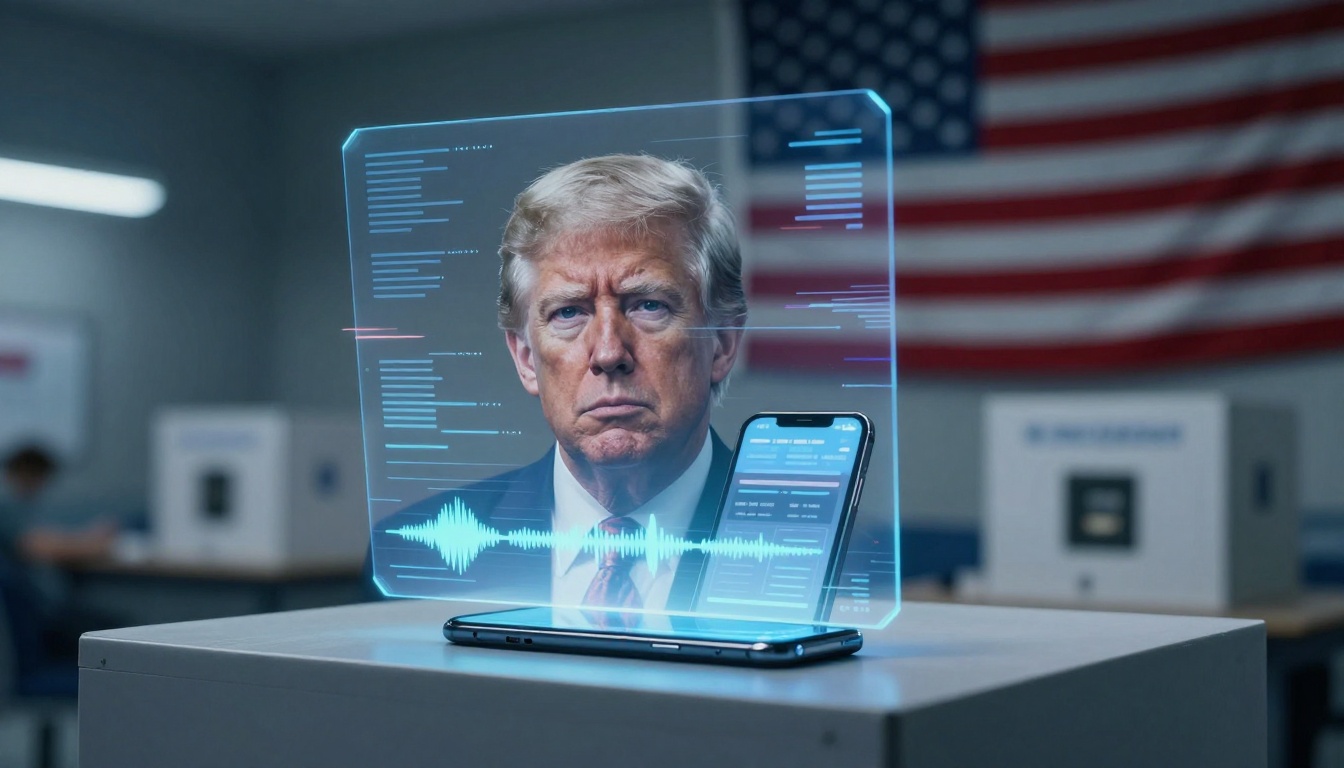

Listen to this post: Deepfakes, Elections and Trust: Democracy’s New Nightmare
Picture this: it’s election day in New Hampshire, 2024. Your phone buzzes with a robocall. A voice that sounds just like Joe Biden tells you to skip the vote. “It’s not going to matter,” it says. Panic sets in. Did the president really say that? Thousands hang up confused, turnout drops. This wasn’t Biden. It was a deepfake, an AI creation that cloned his voice from old clips in minutes.
Deepfakes use artificial intelligence to swap faces, mimic voices, or fake videos. They spread lies at lightning speed on social media. The core issue hits hard: they shatter trust in what we see and hear. Voters doubt leaders, polls, even results. Democracy relies on shared facts. When those crumble, chaos follows.
This post looks at real attacks from 2024 and 2025, how these fakes work, their damage to trust, and steps to fight back. With elections in over 100 countries this year, the stakes feel higher than ever. Stay sharp. Spot the tricks. Protect the vote.
Real Deepfake Attacks That Shook Elections Around the World
Deepfakes crashed into elections like uninvited guests. From voice clones to fake videos, they sowed doubt fast. In 2024 alone, attackers unleashed 82 deepfakes targeting leaders in 38 countries, a 257% jump from before. These clips hit WhatsApp groups, X posts, and TikTok feeds. Voters shared them without a second thought. Confusion spread. Some skipped polls. Others switched sides. Let’s break down the worst cases.
Chaos in the US: From Biden Calls to Fake Debates
The US saw deepfakes hit close to home. That New Hampshire robocall reached 5,000 Democrats. It used Biden’s voice to urge them to save their votes for November. Turnout fell by 4% in affected areas. Police traced it to a Texas consultant, who faced fines.
Then came Kamala Harris fakes. Clips showed her praising wild policies or attacking allies. Influencers with millions of followers shared them. One went viral before fact-checkers caught it.
Virginia voters watched a fake debate between Abigail Spanberger and Yesli Vega. No, it was AI-generated faces on old footage, twisting words. And in New York, a deleted ad cloned Andrew Cuomo’s voice in a racist rant against Zohran Mamdani. Cuomo’s team pulled it quick.
Utah topped it off with a fake election results image. It claimed a landslide before polls closed. Officials debunked it, but trust dipped. Surveys show 72% of Americans worry deepfakes sway votes. Now 26 states ban or label them near elections. Voters still feel lost in the noise.
Global Ripples: India, Indonesia and More
The problem crossed borders. In India, celebrities’ faces appeared in WhatsApp videos bashing Narendra Modi. Clips showed stars urging boycotts. They racked up millions of views before platforms yanked them. Modi’s team called it sabotage.
Indonesia revived Suharto, dead since 2008. Golkar party used his deepfake voice to endorse Prabowo Subianto. It played at rallies, swaying older voters who remembered the dictator fondly.
Taiwan faced AI lies about President Lai Ching-te. Fakes claimed he rigged polls or took bribes. Brazil saw WhatsApp bots flood chats with deepfake Bolsonaro clips pushing scams.
Recorded Future’s report on political deepfakes tracks these hits. They note real shifts in opinion polls after blasts. Speed kills here: fakes spread in hours, checks take days.
How Deepfakes Fool Our Eyes and Ears – And How to Spot Them
Deepfakes start simple. AI pits two parts against each other. A “generator” crafts fakes. A “discriminator” hunts flaws. They train on huge datasets until the fake fools even experts. Old tech needed hours of video. Now, seconds of audio or a photo suffice. Apps like those from ElevenLabs clone voices cheap.
In elections, this means quick hits. Record a candidate’s speech. Swap words. Post on X. Boom. It looks real.
Spot them yourself. Watch eyes: real blinks happen 15 times a minute. Fakes stutter or stare. Check edges: faces blur at hairlines or necks. Lighting mismatches scream fake, like shadows going wrong. Skin looks too smooth, no pores or sweat.
Audio gives clues too. Listen for odd pitches, robotic pauses, or breaths out of sync. Background noise might loop.
Tools help. Microsoft’s Video Authenticator flags glitches. Or try Hive Moderation online. But don’t rely blind. Cross-check with trusted news. Pause before sharing. In fast elections, hesitation saves trust.
Take the Biden call. Listeners heard a flat tone, slight delay. Experts later spotted it. Practice sharpens your eye. Fakes evolve, but clues stick.
The Trust Breakdown: Democracy Under Siege and Paths to Recovery
Deepfakes don’t just trick. They poison faith. Voters skip booths, thinking all clips lie. The “liar’s dividend” kicks in: real scandals seem fake too. A 2025 poll found 70% distrust online news. After attacks, turnout dips 2-5% in hit spots.
Democracy frays. Leaders lose pull. Polls wobble. Riots brew from rumours. Broader, it chills speech: politicians avoid bold stands, fearing twists.
Recovery starts with rules. US states lead: Texas bans fakes 30 days pre-vote. Minnesota waits 90 days from primaries. California’s 120-day rule got struck down for free speech woes, but others hold.
Globally, the EU pushes watermarks on AI media. Platforms like YouTube and X label suspects. The UK’s Electoral Commission calls for platform transparency to track lies.
Fact-checkers ramp up. Sites like Snopes verify quick. Voter drives teach spot-checks. Future tech like blockchain stamps originals.
Hope lies in action. Platforms cut fakes 80% faster now. Education builds habits. Strong rules deter bad actors. Democracy bends but won’t break if we push back.
In the UK, MPs worried over deepfakes of Rishi Sunak and Keir Starmer before polls. Politico covered their fears. Rules tighten there too.
Conclusion
Deepfakes threaten elections by faking voices and faces, from Biden’s robocall to global hits. They drop turnout, boost doubt, and hit trust hard. Yet spots like glitches and rules like state bans offer fixes.
Check sources. Hunt clues. Back smart laws. Share facts, not forwards. A vigilant public keeps democracy solid. can citizen assemblies restore political trust by engaging communities in meaningful dialogue and decision-making? When citizens feel heard and valued, they are more likely to participate actively in governance. Empowering diverse voices within these assemblies can lead to innovative solutions that rebuild the fabric of democracy.
What deepfake worried you most? Drop thoughts below. Follow for AI news updates. Act now, vote strong.
(Word count: 1487)