
Listen to this post: Regional Trade Pacts Step In as WTO Stalls
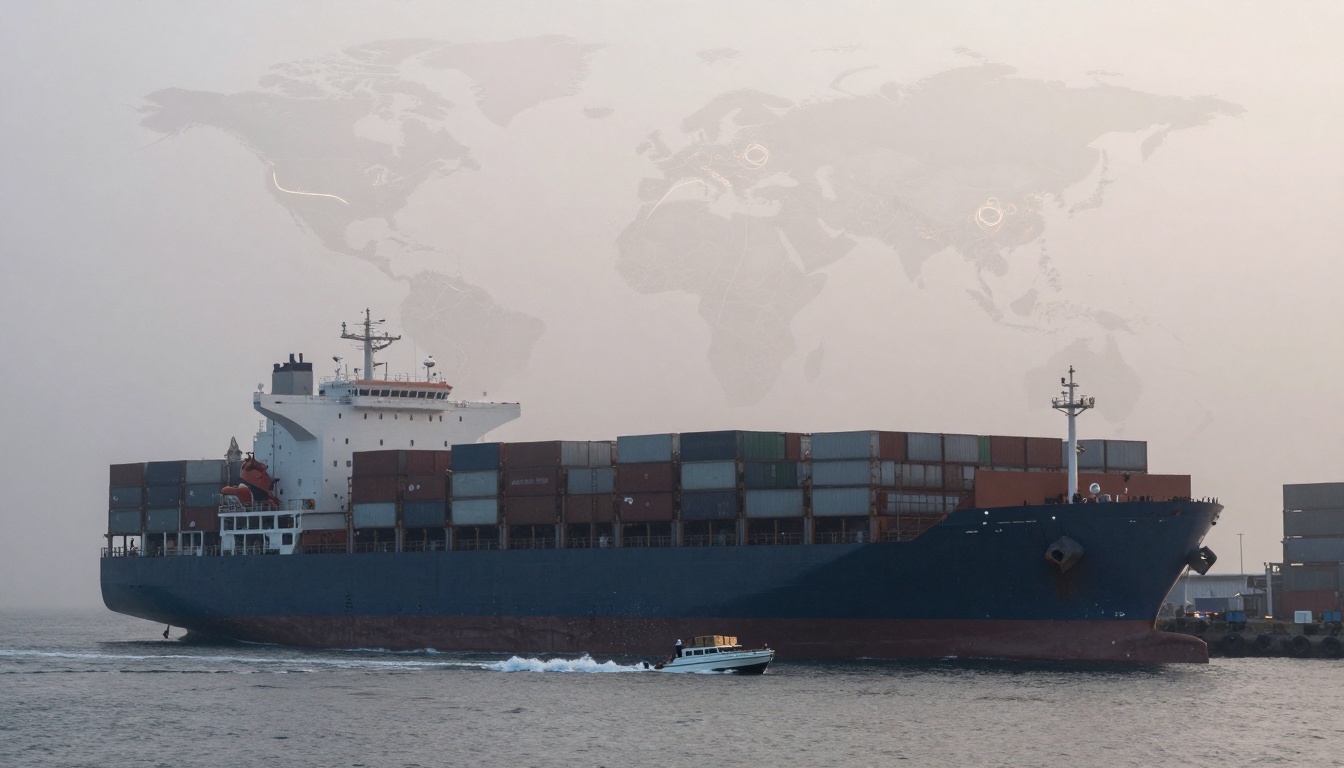
Picture massive cargo ships jammed in a foggy harbour. They sit idle while nimble speedboats dart between them, carrying goods to eager markets. That’s world trade in January 2026. The World Trade Organisation (WTO) clings to life support. The United States blocks key reforms, and big-power rows grind talks to a halt. Global trade growth crawls at just 2.2 to 2.6 per cent, far below hopes amid rising tariffs and supply snags.
Smaller regional pacts zip ahead. They slash tariffs, sort disputes, and boost flows between neighbours. Asia’s ports hum with RCEP shipments. African markets swell under AfCFTA rules. These deals deliver where the WTO can’t. They cut costs for exporters and open doors for farmers. In a year of shaky truces, like the US-China pause on some tech tariffs, regional groups offer steady paths. Countries grab these lifelines. Trade adapts, even if the big ship stays stuck.
What Holds the WTO Back Today
The WTO faces deep snags. Its dispute court broke down in 2019. The US blocks new judges, leaving rulings toothless. US-China fights fuel tariff wars on steel, electric vehicles, and chips. Small-group deals pop up as full talks fail. A March 2026 meeting in Cameroon risks more delays. Poorer nations suffer most without fair rules. How do countries swap goods without a referee? Regional pacts step up. Yet global trade dips as tensions rise.
WTO members eye plurilaterals, side pacts open to late joiners. The US calls the core most-favoured-nation rule outdated. It demands tweaks for closed markets. Most resist, seeing it as the heart of fair play. China eased some breaks, but trust stays low. America skips budget payments at times and slaps tariffs on over 90 nations. No exit yet, but pressure builds. WTO members review five regional trade agreements shows talks limp on.
The Dispute System That Stopped Working
The Appellate Body, the WTO’s top appeal court, went dark in 2019. The US vetoed judge picks. Now countries win lower rulings but face no checks on appeal. Losers ignore them. Small nations hurt bad. Take a cheat on farm tariffs. The victim rules in its favour, but no final say sticks. Disputes pile up over 100 cases. Poorer states lose market access fights. They push fixes at Cameroon, but US demands stall all. Regional pacts build their own panels that work fast.
Clashes Between Powerhouses Like the US and China
US tariffs hit China for “national security” on steel and EVs. China fires back on US farm goods. A 2025 truce pauses some chip duties till late 2026, but fights rage over rare earths and overcapacity. Trump eyes “America First” tweaks. Protectionism spreads. Tariffs dent global chains. MFN trade share drops from 80 to 72 per cent. Both powers shun full WTO talks. They favour bilateral or group deals. Tensions block reform.
Regional Pacts That Deliver Real Results
Regional deals thrive. They link neighbours with deep cuts and clear rules. RCEP unites 15 Asia-Pacific nations. It axes 90 per cent of tariffs. Supply chains from phones to fabrics speed up. CPTPP sets high bars on labour and environment. Eleven countries trade with few hurdles. AfCFTA joins 54 African states. It eyes doubled intra-African exports. USMCA keeps North America tight after reviews. Fresh pacts like EU-Mercosur slash €4 billion in duties, though pharma rows linger.
Ports in Singapore buzz with RCEP containers. Vietnamese factories ship to Japan tariff-free. African trucks cross borders easier under AfCFTA. Latin groups like Pacific Alliance weave supply nets. These pacts fix disputes quick. Panels rule in months, not years. WTO’s RTA tracker lists 380 in force, up from years past. They cover goods and services. Nations pick partners that match. Trade flows despite WTO ice.
RCEP and AfCFTA Lead the Pack
RCEP shines in high-tech. China, Japan, and ASEAN cut duties despite India sitting out. Electronics and autos surge 15 per cent in linked trade. It plugs into digital pacts like ASEAN’s DEFA. Chains shorten post-pandemic.
AfCFTA sparks African booms. Exports to peers could double by 2030. Ghana and Ivory Coast swap cocoa smooth. It fights old borders that choked flows. Both dwarf WTO stalls. They prove groups act fast.
Gains Countries Get from These Local Deals
These pacts bring quick wins. Tariffs drop in months, not decades. Nations craft own dispute fixes. Green rules boost clean tech. Investments pour in with stable terms. Picture EU cars rolling to Brazil at zero duty. North American autos hold steady under USMCA origins checks.
Stability rules in 2026 tariff storms. Exporters dodge US-China blasts. Firms shift to RCEP hubs for cheap inputs. Jobs grow in linked factories. Preferential agreements ease sclerotic WTO paths, but risks bloc fights. Still, gains stack. Brazil farmers reach Europe easy. African miners sell ore home. Investment climbs 20 per cent in CPTPP zones. Your high street shops cheaper imports. Rules fit local needs, like AfCFTA’s small firm aid.
The Road Ahead for World Trade
WTO reform looks slim without US buy-in. Plurilaterals offer side tracks, like e-commerce talks. Regional pacts expand, think EU-Mercosur growth. Von der Leyen pushes EU-led Asia club as WTO alternative. Cameroon may map basic plans.
Trade adapts. Goods keep moving via these nets. Cheaper phones and food hit shelves. Watch for clashes between blocs. Yet hope lingers. Nations link up smart.
Regional pacts patch WTO holes. They cut tariffs, settle rows, and grow trade amid stalls. The Appellate Body crisis and US-China rifts hobble the big body. Deals like RCEP and AfCFTA prove smaller works. Gains flow to firms and shoppers.
Track the March Cameroon meet. It could spark modest shifts. Stay tuned on CurratedBrief for updates. These boats keep the harbour alive. Goods zip to you.