
Listen to this post: How Volunteers Sustain Humanitarian Aid When States Struggle
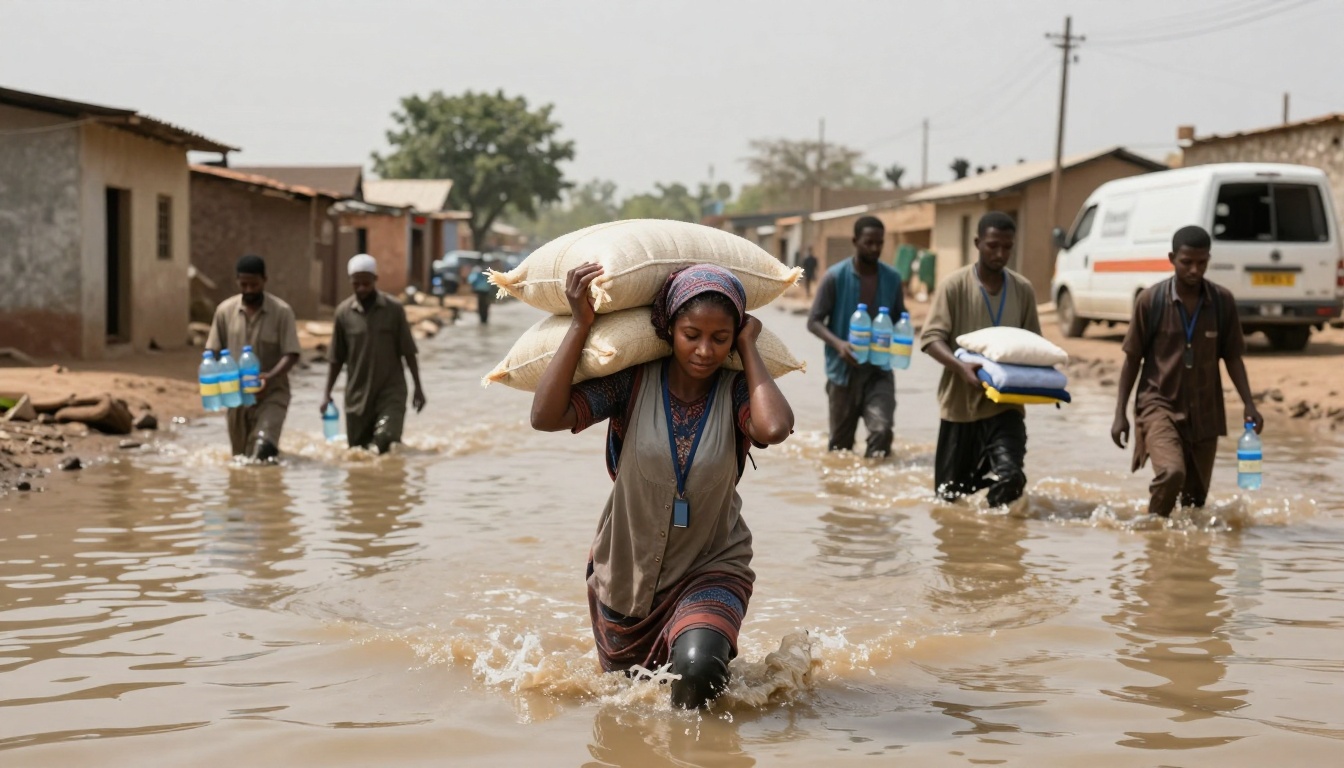
Picture a flooded village in Sudan. Muddy waters lap at doorsteps. A young woman wades through, carrying sacks of rice on her back. She’s not waiting for government trucks stuck in border queues. She’s a local volunteer, delivering food hours after the rains hit. In Ukraine’s bombed streets, another group slips past checkpoints with water bottles and blankets, reaching families before official aid clears the red tape.
States often promise help, but delays from bureaucracy, funding shortages, and access blocks leave people hungry and cold. Volunteers fill these gaps. They keep humanitarian responses alive. In 2024, UNV deployed 14,631 volunteers worldwide, outpacing slow state efforts in crises. From Ukraine’s war to Gaza’s blockades and Sudan’s famines, these everyday people act fast. They know the back roads, speak the languages, and dodge the politics. This article looks at why official aid lags and how volunteers step up with real stories from 2024 to 2026.
Why State Aid Often Falls Short in Crises
Governments face tough hurdles in disasters and wars. Paperwork piles up. Funds dry out. Roads close. Families huddle in the dark, waiting for trucks that never come. Volunteers, though, move quicker. UNV deploys them in just 20 days, compared to months for some state plans.
Take the numbers. In 2024, states and agencies reached millions, but gaps remained huge. Volunteers made up 80% of first responders in many spots. Here’s a quick comparison:
| Aspect | State Aid | Volunteers |
|---|---|---|
| Deployment Speed | Weeks to months | 20 days (UNV average) |
| Reach | Blocked by borders/war | Local networks, 80% domestic |
| Numbers | Varies, often underfunded | 14,631 UNV in 2024 |
This table shows the edge. States handle big logistics, but volunteers hit the ground running.
Bureaucracy Slows Down Official Help
Red tape chokes aid flows. In Ukraine, government freezes stalled supplies amid shelling. Trucks sat idle while officials stamped forms. Gaza saw similar woes. Over 70,000 deaths by late 2025, yet aid waited at borders for approvals. Politics tangled everything.
Volunteers skip this. Locals know safe paths. They hand out blankets without permits. In Sudan, state collapse meant no trucks at all. Groups like MSF sent teams straight in. Speed saves lives. One delay can mean a child goes without water for days.
Funding Gaps Leave People Hungry
Money runs short fast. In Sudan, 1.2 million faced hunger in 2024, with global aid covering just 12% of needs. WFP cut rations by 20% in some areas. States slashed budgets amid their own crises.
Volunteers stretch what they have. IRC raised funds locally for nutrition packs. They fed thousands where states pulled back. UNHCR’s global trends report notes 123.2 million displaced by end-2024. Volunteers bridged the cash void, turning small donations into meals.
Real Stories of Volunteers Saving Lives
Volunteers aren’t abstract heroes. They’re neighbours bandaging wounds, mothers cooking stews in tents, youths fixing roofs under fire. In 2024-2026 crises, they filled voids in shelter, health, and food. UNHCR paired with 1,106 UNV in Ukraine. MSF and IRC ran clinics in Gaza. IFRC tapped 80% local hands for disasters. These tales show their grit.
A volunteer in Darfur kneels by a malnourished child, spooning porridge. Her team from IRC treats 305,000 for hunger. No fanfare. Just action.
Ukraine: Locals Rebuild Amid War
Ukrainian volunteers shine amid rubble. In 2024, over 660 groups aided 8.4 million, per OCHA’s year-end analysis. UNV’s 1,106 worked with UNHCR and MSF on refugee camps.
They fixed shelters faster than damaged state trucks. Food drives popped up overnight. One team in Kharkiv delivered hot meals to 500 families daily, dodging drones. Their 20-day speed beat official waits. Locals knew who needed help most: the elderly alone in basements.
Gaza and Sudan: Aid in the Hardest Spots
Gaza’s blockades trap aid. MSF volunteers ran clinics amid ruins, treating wounds from strikes. In 2025, they scaled up post-ceasefire, with partners distributing a million hot meals daily, as in this Gaza response report.
Sudan tells a grimmer story. 33.7 million needed help in 2026, including 17.3 million children, per UNICEF’s action plan. IRC protected women and kids in Darfur, offering nutrition where trucks feared attacks. Volunteers slipped through collapsed lines, handing out vaccines and safe spaces. They reached spots states couldn’t touch.
Floods and Quakes: First Responders on the Ground
When floods swallow homes or quakes topple buildings, locals respond first. IFRC’s network raised 85.3 million CHF in 2024, with 80% domestic volunteers leading. In Pakistan floods or Turkey quakes, they cleared debris and shared food stores.
Their know-how beats outsiders. They predict flood paths from years of rains. During COVID, parallels showed scale: volunteers tested and fed millions. Governments arrived later for rebuilds. These first hands save the most lives in chaos hours.
How Volunteers Work Smarter in Big Groups
Volunteers team up smart. Red Cross’s 191 societies train for first aid. MSF doctors treat in tents. UNHCR registers refugees fast. UNV and WFP use tech for nutrition tracking. IRC focuses on protection.
In 2024, 22,962 volunteered online, up 65%. They map needs from afar, guide locals via apps. Agility rules. Locals spot risks states miss.
Compare again:
| Strength | State Aid | Volunteer Groups |
|---|---|---|
| Speed | Slow approvals | Instant local action |
| Numbers | Limited staff | 14,631 UNV + millions local |
| Reach | Official routes only | Back paths, virtual aid |
This setup lets them scale. One call brings hundreds. Their focus on communities turns aid personal.
Global data backs it. Two billion people volunteer monthly, hitting crises before states. In Sudan camps, youth teach hygiene. In Ukraine, apps track safe zones. Tech plus heart works.
Volunteers: The Backbone of Lasting Aid
States build big plans, but volunteers keep the pulse going. In Ukraine, they rebuilt shelters. Gaza and Sudan saw clinics and meals where trucks stopped. Floods and quakes got quick hands from locals. Their speed, reach, and smarts fill fatal gaps.
Anyone can join. Sign up with Red Cross, MSF, or UNV today. Train locally, donate skills online. You sustain responses.
What if one shift changes a life? In 2026’s volunteer year, step up. Hope lies in hands that act first. Thank you for reading; share your story below.