
Listen to this post: Climate-Driven Security Crises: Floods and Droughts Trigger Fighting
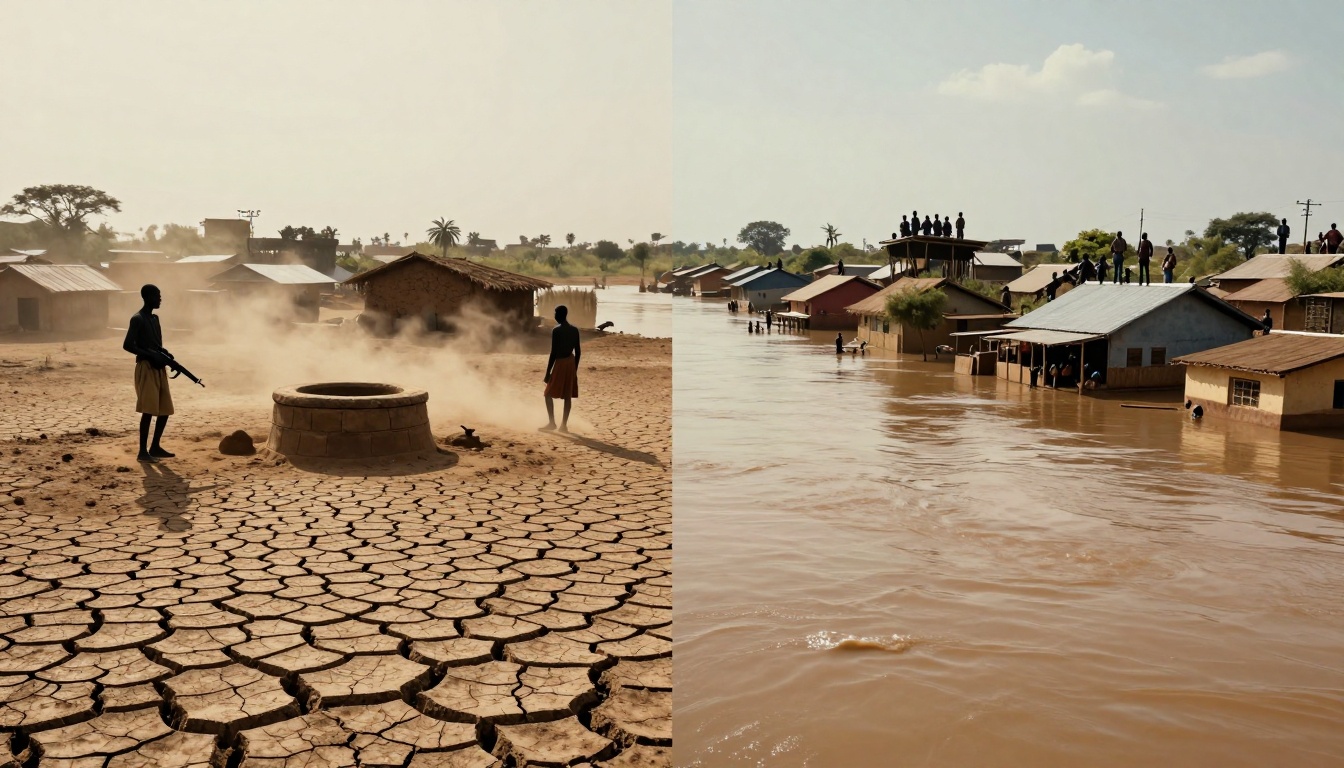
Picture a sun-baked village in the Sahel. Cracked earth stretches for miles. The last well runs dry. Families with guns eye each other over the final drops. Tempers snap. A shove turns to shouts, then shots ring out. Now imagine a river bursting its banks in South Sudan. Muddy water swallows homes. Neighbours clash on rooftops for scraps of dry land. These scenes play out more often as climate-driven security crises grow. Floods and droughts hit harder. They wreck crops, kill livestock, and chase people from their homes.
Climate change speeds this up. Hotter air holds more moisture, so downpours drown fields. Shifting patterns bake others into dust bowls. Food runs short. Water wars brew. Governments buckle under the strain. The World Economic Forum’s 2026 risks report puts extreme weather at the top spot for the next decade. Half the long-term threats tie to the environment. From 1995 to 2024, these events killed over 832,000 people worldwide. Losses topped $4.5 trillion.
This post looks at real cases, draws lessons from history, and points to fixes. It shows why these crises threaten global peace right now. Leaders must act before scraps turn to slaughter.
Why Floods and Droughts Turn Rivals into Enemies
Dry spells starve the land. Crops wither. Herds collapse. Families go hungry. Floods wash away the rest: homes, tools, seed stocks. People pack up and head for better spots. Tensions simmer. Old grudges flare. What starts as words ends in blades or bullets.
Weak states speed the slide. Leaders short on cash or clout can’t fix wells or build dykes. Armed groups fill the gap. They promise food or safety, then demand loyalty. Climate stress multiplies conflict odds by 14 times, studies show. Picture dusty trails where herders drive thinner cattle into farmers’ fields. Or flooded flats where rivals block roads to hoard aid.
These chains snap communities apart. Rivals become killers fast.
Resource Grabs That End in Bloodshed
Water holes shrink. Rivers turn to trickles. Herders arm up to guard pastures. Farmers dig trenches across paths. It’s like kids scrapping over the last biscuit, but with rifles. In dry zones, one blocked stream sparks raids. Blood soaks the sand.
Pastures vanish too. Goats strip the grass bare. Next rains fail to green it. Clans clash at dawn over the scraps. Governments watch helpless as militias rule the taps.
Mass Moves That Overload Cities and Borders
Floods chase millions from lowlands. Droughts empty farms. They flood into camps or swell town slums. Disease spreads in the crush. Anger boils at empty promises.
Borders groan under the weight. Neighbours close gates. Smugglers thrive. The WEF flags migration as a 2026 risk. Camps turn tense. Fights erupt over rations. One spark lights the fuse.
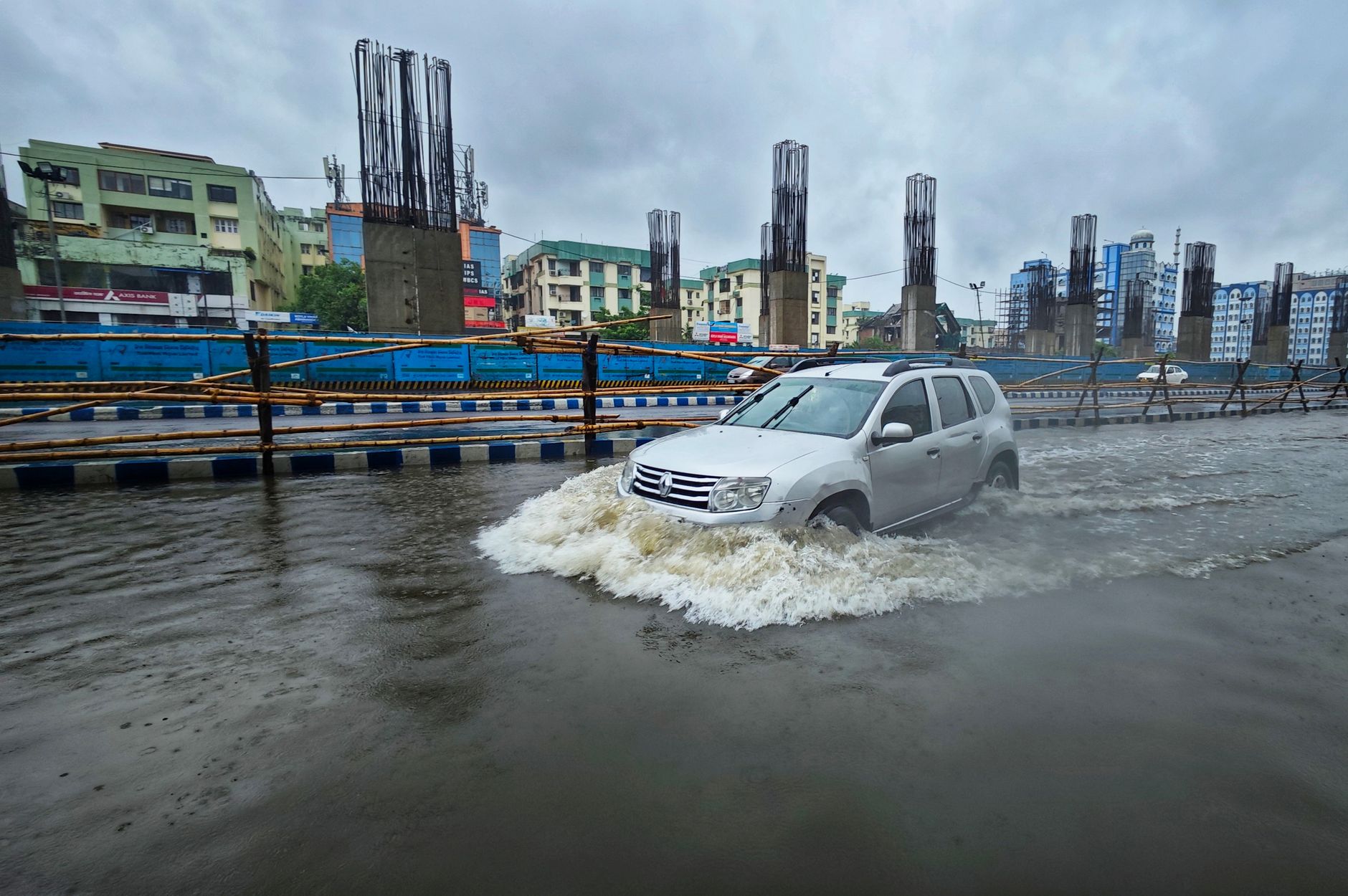
Photo by Dibakar Roy
Today’s Hotspots Where Weather Fuels the Fire
Conflicts rage where climate bites deepest. Armed bands exploit the mess. Aid stalls at checkpoints. Troops mutiny over pay. Burkina Faso and South Sudan show the pattern. Floods drown hopes. Droughts fan flames. Peace hangs by a thread.
In the Sahel, jihadists thrive on chaos. They hit villages when floods displace folks. South Sudan drowns yearly. Old war scars reopen. The International Rescue Committee’s top 10 crises for 2026 flags these spots. Violence and weather feed each other.
Burkina Faso and the Sahel’s Vicious Cycle
Floods hit in 2024 and 2025. They chased thousands from homes. Jihadists pounced. They block roads, starve towns. Hunger drives recruits to their ranks. Droughts parch the rest. Herders flee south, spark clashes.
Troops desert unpaid. Gangs rule the bush. One aid truck stopped means days without food. Experts warn of endless loops. Climate shocks push the weak into arms of the strong.
South Sudan’s Floods on Top of Old Wounds
Rivers swell each wet season. Farms turn to lakes. Crops rot. Refugees from Sudan pile in. The South Sudan Humanitarian Needs and Response Plan 2026 counts millions at risk. Oil cash dries up. Soldiers loot for meals.
Tribes eye each other over high ground. Unpaid forces clash. One flood in 2025 wrecked 200,000 hectares. Famine looms. Neighbours feud as waters rise.
History’s Warnings from Syria to Ancient Ruins
Past dry spells teach hard truths. They toppled kings and sparked wars. Climate tips shaky spots over the edge. Bad rule and grudges make it worse. Syria’s fall shows the road. Sudan’s feuds echo old fights.
These tales warn today’s leaders. Droughts don’t act alone. They light fuses on powder kegs.
Syria: Drought That Lit the Civil War Spark
From 2006 to 2011, rains failed. Farms died. Half a million fled to cities. Food prices soared. Protests swelled in bread lines. Dictators cracked down. War exploded.
Rural folk begged in Damascus slums. Anger built. One match, and it burned. Climate set the stage. Politics pulled the trigger.
Sudan and Older Tales of Thirsty Battles
Sudan claims the first climate war. Droughts pit herders against farmers. Guns replace sticks. Darfur bled for water. Maya cities crumbled under endless dry. Kings fought over reservoirs. Crops failed. Riots toppled thrones.
Lessons ring true. Strain breaks the brittle.
Bracing for Worse: Risks Ahead and Fixes That Work
The Climate Risk Index 2026 eyes poor nations hardest hit. Extreme weather tops WEF lists. Damages could reach $224 billion in 2025 alone. A 70% chance of more warming locks in pain.
What if we act now? Tough villages store grain and dig ponds. Solar pumps beat dry pumps. Aid pairs food with peace talks. Clean power cuts fight fuel.
Groups train locals to spot floods early. Herders get maps to free grass. Governments fund dykes, not just guns. Early wins cut clashes. Shared rivers build trust. Action shrinks risks before they blow.
Steady Hands for a Stormy World
Floods and droughts push rivals to blows. Hotspots like Burkina Faso and South Sudan prove it. History from Syria to Sudan echoes the call. Climate strains snap weak links.
Yet fixes exist. Strong communities, smart aid, green shifts hold promise. Back groups that blend relief with calm. Push leaders for bold green steps. Imagine rivers shared, not fought over. Lands green again.
Your voice counts. Share this. Vote for change. Peace starts when we face the weather head on.