
Listen to this post: Shrinking Civic Space: Governments Tighten Grip on NGOs and Journalists
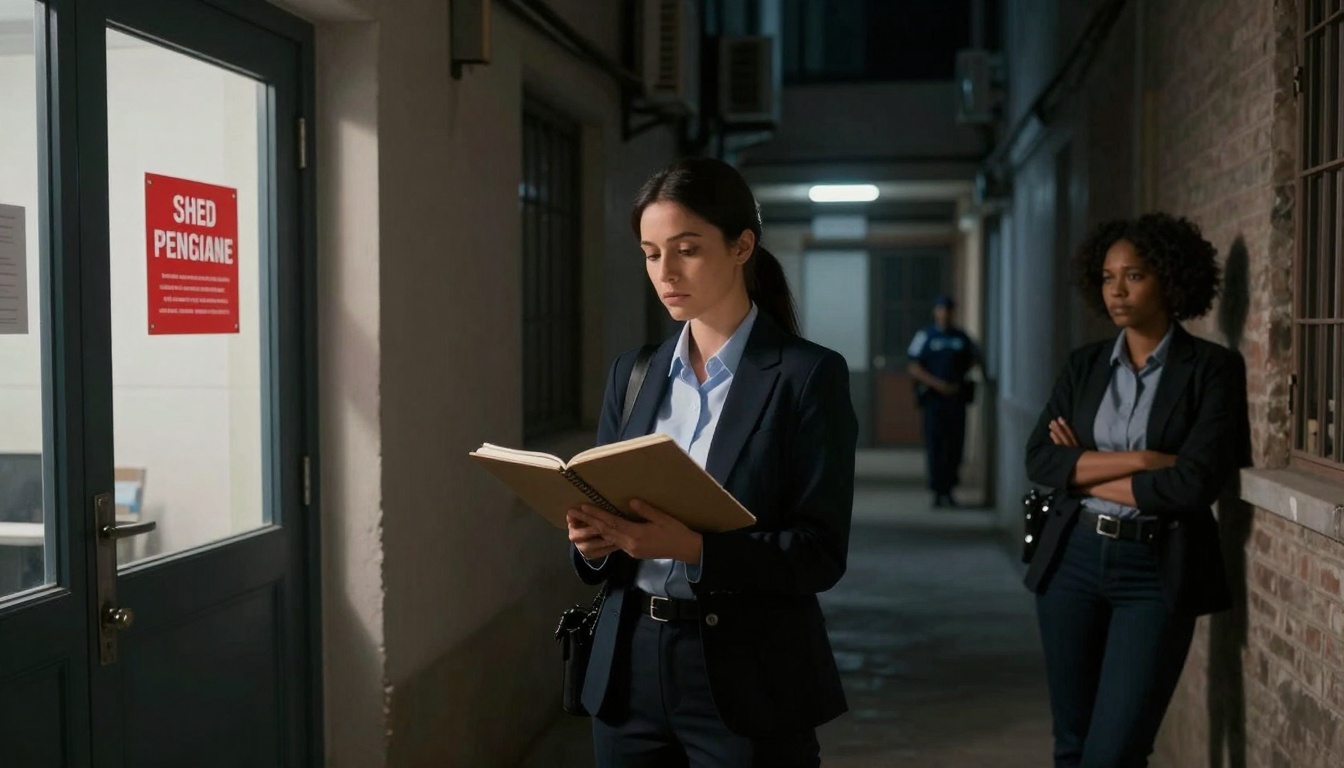
Picture a journalist in a dimly lit alley, heart pounding as police sirens wail closer. She clutches her notes on a local scandal, knowing one wrong step means arrest. Nearby, an NGO worker stares at a shutdown notice on her office door, her team’s aid projects for refugees now in ruins. This isn’t fiction. It’s the daily reality in too many places.
Shrinking civic space means governments curb freedoms of speech, assembly, and association. They use laws, arrests, and harassment to silence watchdogs. CIVICUS data shows only 3% of countries have open civic space in 2026. Freedom House reports a steady drop in global press freedom scores. Democracies weaken without NGOs and journalists holding power to account. Aid stalls. Corruption festers. Everyday people lose their voice. Lives hang in the balance.
Sneaky Tactics Governments Use to Squeeze NGOs
Governments pick quiet ways to choke NGOs. They pass laws branding aid groups as threats. They freeze funds. They force closures. In 2025 and 2026, these moves hit hard across regions.
Take Georgia’s protests in late 2025. Crowds fought a “foreign agent” bill targeting NGOs. It passed anyway, forcing groups to register or shut down. Hungary’s Viktor Orbán has long used similar rules to gut civil society. Venezuela labels human rights defenders as spies. In Africa and Asia, hotspots multiply.
The US government shutdown from October to November 2025 added pain. Federal contracts halted. NGOs lost cash for food banks and shelters. Demand soared amid economic woes, but help dried up.
CIVICUS’s 2025 Global Findings report tracks these attacks on people power.
Foreign Agent Laws That Label Helpers as Spies
These laws paint NGOs as foreign puppets. Groups must register as “agents,” report every penny, and face audits. Funds from abroad get blocked. Stigma spreads; donors flee.
Georgia’s 2025 law sparked riots. Slovakia pushed a copycat bill. Uganda demands labels for any foreign-tied work. Human rights teams suffer most. They track abuses but now hide operations. One Ugandan group helped election monitors. Labeled spies, they closed shop ahead of January 2026 polls.
Funding Cuts and Shutdowns That Starve Good Work
Money is oxygen for NGOs. Governments cut the supply. In Uganda, January 2026 saw suspensions of Chapter Four Uganda and the Human Rights Network for Journalists. Vague “security” claims under NGO laws.
The US 2025 shutdown froze grants. Programmes for migrants and the poor halted. Europe sees delays too. France, Italy, and Germany face “obstructed” ratings from CIVICUS in early 2026. Protests over climate and migrants draw harsh responses, starving related NGOs.
Journalists in the Crosshairs: Arrests and Silencing
Reporters face the brunt. Governments raid homes, crush protests, and jail truth-tellers. In 2025-2026, cases pile up. Urgency builds as elections loom.
Russia holds over 165 journalists since 2021. Afghanistan’s Taliban bans women from newsrooms. Georgia sentenced a reporter to prison. Azerbaijan jails 25. Serbia sees assaults. Guatemala persecutes outlets. In the US, FBI raided a Washington Post reporter in 2025. Over 30 arrests hit protest coverage.
Patterns emerge. Laws twist against the press. Police wield batons. Voices vanish.

Photo by Ahmed akacha
Home Raids and Protest Crackdowns
Raids terrify. In the US, agents stormed a reporter’s home over leaked docs. Global protests draw fire. CIVICUS notes arrests in 73 countries in 2025.
Germany raided climate events in 2025. Italy’s new laws punish demo crimes. Uganda cut internet January 13, 2026, ahead of elections. Reporters lost tools; assaults followed. Police seize gear. Livestreams end in cuffs.
Prison Terms for Telling the Truth
Jails fill with scribes. Georgia’s court gave a journalist years for “illegal” reporting. Azerbaijan’s 25 face trumped-up charges. Guatemala hunts press with old vendettas.
One reporter covered corruption. Now he rots in a cell. Families wait. Truth starves.
The Ripple Effects and Paths to Fight Back
Impacts spread wide. Accountability fades. Corruption thrives. Aid falters, as in Gaza where NGOs pull back under pressure.
In 2025, 66 countries passed restrictive laws. Europe downgrades signal trouble; France, Italy, Germany now “obstructed.” Uganda’s pre-election purge shows the playbook.
Hope glimmers. UN urges protection. Open Government Partnership crafts legal fixes. Funders form coalitions for quick aid. Local groups adapt with digital tools. Watchdogs persist. Democracy needs them.
European Civic Forum’s 2025 report maps paths forward.
Governments squeeze NGOs and journalists through sly laws and raw force. Civic space shrinks from Uganda to the US and Europe. Lives suffer without their work.
Fight back. Support local groups with donations. Scrutinise news from independents. Push lawmakers for open laws. What will you do when silence falls? Speak now. Your voice matters.
(Word count: 982)