

Listen to this post: Deepfakes in Elections: Can Democracies Survive the Next Wave of Fake Content?
Picture this. Days before polls close, a video floods social media. A leading candidate confesses to a secret deal that could ruin their career. Supporters gasp. Opponents cheer. Voters rush to share it. But it’s all fake, crafted by AI in minutes. Chaos hits polling stations as people argue over what’s real.
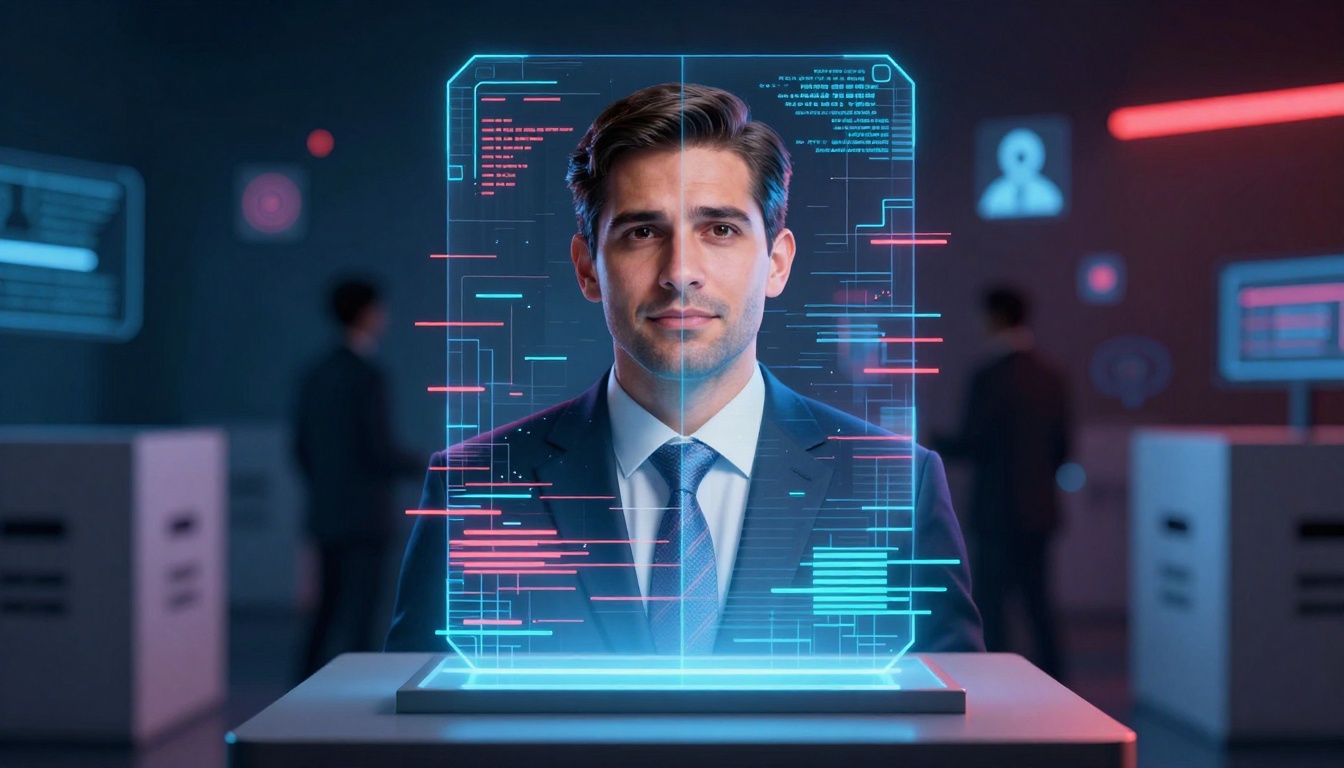
Deepfakes are AI-generated videos, audio clips, or images that mimic real people with scary accuracy. They swap faces, clone voices, or invent scenes. By 2024, these tricks struck elections in 38 countries. Incidents surged 257 per cent that year, with early 2025 adding 19 per cent more. Voters faced fake clips on social media 92 per cent of the time.
Can democracies handle this? Trust in facts hangs by a thread. This post looks at real attacks from 2024 and beyond, how they break voter faith, tools and laws to fight back, risks for 2026, and steps forward. Stay sharp. Your next scroll could sway a vote.
Deepfake Attacks That Shook Recent Elections
Fake content hit hard in recent votes. Bad actors used cheap AI tools to stir doubt. Social media spread them fast. Voters saw leaders say things they never did. These cases show the scale.
In Indonesia’s 2024 race, a deepfake video showed candidate Prabowo Subianto speaking Arabic. It aimed to win Muslim support. Another clip faked audio of rival Anies Baswedan getting scolded by his boss. Both went viral online.
Turkey saw fakes in 2023. Videos placed opponent Kemal Kılıçdaroğlu with terrorists. Nationalists recoiled. The clips scared voters just before ballots dropped.
Germany faced over 100 deepfake sites from a Russian group called Storm-1516. They targeted politicians ahead of local polls.
Taiwan’s 2024 election drew foreign meddlers. Deepfakes created scandals and nude images of independence candidates. China-linked actors pushed them to weaken the ruling party.
Biden’s Fake Voice Warns Voters Away in New Hampshire
In the 2024 US primary, robocalls hit 20,000 New Hampshire voters. A cloned Joe Biden voice said, “Your vote makes a difference, but not this time.” It urged them to skip the polls. The call sounded real. Few spotted the trick at first. Probes followed fast. It sparked outrage and FCC fines.
India’s Massive Deepfake Blitz During World’s Largest Vote
India’s 2024 election, the world’s biggest, saw parties spend up to $50 million on deepfakes. Clips featured stars and even dead leaders like Suharto endorsing candidates. Lies spread to millions on social platforms. WhatsApp and ads amplified them. Voters got bombarded with false promises and attacks.
These attacks used simple tools. Creators spent little. Impact lingered. Real scandals got called fakes too, the so-called liar’s dividend.
Why Deepfakes Erode Trust in the Voting Booth
Deepfakes don’t just fool eyes. They poison the well of public trust. Voters start to doubt every clip or call. A real gaffe? Maybe fake. A true promise? Who knows.
Studies show no big vote shifts in 2024. Yet harm builds slow. Seventy-two per cent of Americans say deepfakes hurt elections. Seventy per cent trust online media less. People brush off fakes that clash with their views. Low-quality ones still confuse the rest.
Polarisation grows. Fakes paint rivals as monsters. Groups feel attacked. Hate flares. In divided times, facts fade.
Institutions weaken too. Courts face “it was deepfake” defences. Media fights credibility loss. Voters disengage. Why bother if truth hides?
Democracy needs shared reality. Deepfakes shatter it. Like fog on a road, they blind drivers to real dangers. One study tracked 78 election deepfakes. Most flopped, but doubt stuck. Researchers found political misinformation predates AI. The tool just speeds old tricks.
Tools, Laws, and Tactics to Spot and Stop the Fakes
Fighters push back. Detection tools scan for glitches. Laws demand labels or bans. Platforms add watermarks. None perfect, but they help.
Start with eyes. Look for face wobbles, odd blinks, lip sync fails. Check lighting shadows. Reverse image search on Google or TinEye.
AI detectors score clips. They lag new models, but improve. OSINT tracks origins. Provenance chains prove real sources.
Free Tools Anyone Can Use to Check Suspect Videos
Upload suspect files to these:
- Optic or Hive Moderation: Spots video fakes fast. Gives confidence scores. Free tiers work for quick checks.
- Deepware Scanner: Rates audio and video. Flags AI traces. Pair with ElevenLabs for voice tests.
- BitMind: New 2024 app. Real-time browser checks for elections. Catches hard-to-spot fakes.
Pros: Easy, no cost. Cons: False positives happen. Always mix with human sense. See how these tools work and fail in elections.
Verify sources. Who shared first? Cross-check news sites.
State Laws Stepping Up Where Feds Lag Behind
US states lead. Texas banned deepfakes hurting candidates since 2019. California’s AB 2655 forces platforms to remove election fakes 120 days pre-vote. Candidates sue violators.
Minnesota matches. Over 25 states act by 2025. Feds eye the DEFIANCE Act against deceptive AI. FEC treats as fraud.
UK watches close. Ofcom pushes defences. Their guide covers deepfake harms. Global rules grow. Check emerging regulations worldwide.
Platforms label AI content. X, Meta test watermarks. Enforcement speeds up.
Will 2026 Elections Survive the Deepfake Surge?
2026 brings US midterms and global races. Risks climb. AI costs drop to $24 a month. Creators outpace detectors.
Australia’s 2026 wargame tested fakes. A video claimed a terrorist link. A photo faked a crisis actor. Chaos followed.
Solutions exist. Faster takedowns work. Education trains voters. Tools like BitMind gear up.
2024 proved resilience. No major swings. Vigilance pays. Verify before you share. Pause that forward button.
Conclusion
Deepfakes tested elections from New Hampshire to India. They spread doubt, boost divides, and fuel the liar’s dividend. Yet tools like Hive and BitMind spot many. Laws in California and Texas remove threats quick. Detectors chase, but humans lead.
Democracies rest on shared facts. Lose that, lose the base. Vigilance builds the shield.
Check clips with free scanners. Back clear laws. Demand platforms act. In 2026, informed voters win. Picture polls where facts rule, not fakes. You’ve got the tools. Use them.
(Word count: 1492)