
Listen to this post: Can Developing Countries Escape the Debt Trap in a High-Rate World?
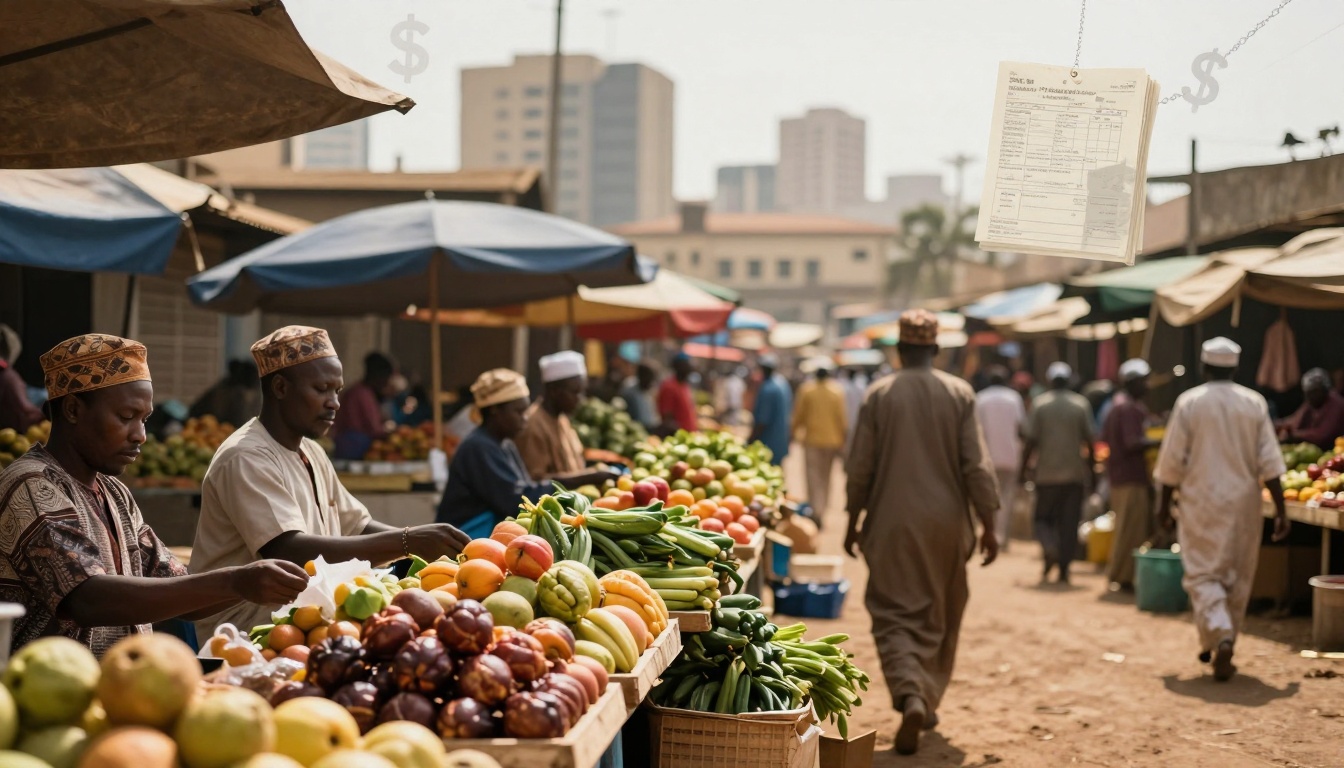
Picture a busy market in Nairobi. Traders hawk fresh produce under the hot sun. Yet their minds drift to looming bank notices, not customer smiles. Debt payments eat into profits before stock even sells. This scene plays out across developing nations. Can these countries break free from the debt trap in a world of high interest rates?
Low- and middle-income countries owe $8.9 trillion in external debt. In 2024, they shelled out $921 billion in net interest payments, a record high. That’s up 10% from 2023. Worse, 61 countries now spend over 10% of revenues on interest alone. This leaves 3.4 billion people in places where debt trumps spending on health or schools.
Central banks like the Fed and ECB hiked rates to fight inflation. This makes dollar-denominated debts cost more. Local currencies weaken against the dollar. A loan that seemed affordable turns burdensome. Refinancing grows tougher as rates stay high.
This post breaks it down. We look at how high rates fuel the cycle. Then review relief efforts and their limits. Next, practical steps countries can take. Finally, a glance at what lies ahead. Escape looks possible, but it demands smart moves at home and abroad.
How High Interest Rates Turn Debt into a Vicious Cycle
High rates act like a pump pulling cash from poor nations back to rich ones. Developing countries pay 5-8% interest on bonds. Rich nations borrow near 1%. Money flows out faster than it comes in. From 2022 to 2024, these countries sent $741 billion more in repayments than they received in new loans. The biggest gap in 50 years.
Debt service now claims 6.3% of export earnings. In least developed countries, it hits 13.2%, double the 2015 level. Half of developing economies lose 6.5% or more of exports to repayments. Weaker currencies amplify the pain. A $1 billion loan in dollars demands more local cash as the currency falls.
By 2026, $4.5 trillion in emerging market bonds mature. Many countries face refinancing at rates near 10%. Miss the mark, and defaults loom. Budgets shrink. Growth stalls. People feel it first: fewer clinics, potholed roads, empty school cupboards.
The Shocking Numbers Behind Squeezed Budgets
Numbers tell a stark story. Interest payments doubled in parts of Africa since 2015. In 2023, developing nations paid $847 billion in net interest on external debt, a 26% rise from 2021.
Here’s a snapshot of the strain:
| Metric | 2023/2024 Figure | Impact |
|---|---|---|
| External debt stock | $8.9 trillion | Covers low- and middle-income countries |
| Net interest payments | $921 billion | Up 10% year-on-year |
| Countries with 10%+ revenues on interest | 61 | Affects 3.4 billion people |
| Debt service as % of exports | 6.3% average; 13.2% in poorest | Halves funds for services |
Two-thirds of developing countries cannot cover repayments without slashing growth. For details on trends, check this OECD factsheet on debt sustainability.
Regions and Nations Hit Hardest Right Now
Africa bears half the worst cases. Chad and the Central African Republic top the list for distress. Twenty-two ultra-high debt countries see 56% of people unable to afford healthy diets. Eighteen are low-income spots where nearly two-thirds face hunger.
Latin America grapples too. Argentina’s woes echo across borders. In Asia, Pakistan and Bangladesh juggle payments amid floods. Daily life suffers: farmers skip fertiliser, mothers ration meals. Debt crowds out basics. Over half of 68 low-income nations eligible for IMF aid now face distress, double the 2015 tally.
Debt Relief Attempts: Small Wins Amid Big Struggles
Relief efforts offer flickers of light. The G20’s Common Framework launched in 2020. It aims to coordinate creditors for poor nations. Yet progress crawls. Only Chad and Zambia sealed full deals by late 2024. IMF released $275 billion in special drawing rights during Covid. Some recycled to vulnerable spots.
In 2024, $90 billion in external debt got restructured, the most since 2010. Cuts reached 70% in Ghana and Haiti. Bond markets lent $80 billion net, but at double pre-2020 rates. Bilateral creditors retreated post-restructure, with countries paying $8.8 billion more than they borrowed. Private flows to vulnerable nations dropped 75%.
Net outflows persist. World Bank leads as top net lender to 78 fragile economies. Calls grow for better tools: pause IMF surcharges, speed restructures. Private creditors hold back, fearing losses.
What the G20 and IMF Deals Delivered
Common Framework covers four countries so far. It links debt treatment to IMF programs. IMF aids distress cases with loans tied to reforms. In 2024, programs paused surcharges in some spots. World Bank grants supplement.
Yet rules lag. Restructured debt often refinances at 10% rates. For deeper analysis, see the IMF paper on low-income debt vulnerabilities. Progress feels piecemeal against $31 trillion in emerging market public debt.
Real Stories from Zambia, Ghana, and Sri Lanka
Zambia waited three years for a deal. Creditors forgave $6.3 billion, but rates stayed high. Growth inches forward; power cuts linger.
Ghana cut debt by 37% in a $13 billion deal. IMF program enforces austerity. Fuel prices soar; protests flare.
Sri Lanka restructured $12 billion in bonds after 2022 default. Relief eases pressure, yet imports cost more with a weak rupee. Mixed bags: breathing room, but pain persists. People queue for rice; tourists return slowly.
Clear Paths Out: Steps Countries Can Take Today
Hope lies in action. Jamaica slashed debt from 144% to 60% of GDP through growth and reforms. Others can follow. Mix domestic grit with global help. Boost exports, plug tax leaks, chase low-cost loans.
Strong growth outpaces interest if GDP rises above 5%. Domestic revenue jumps with fair taxes. End corruption; invest in skills. Multilaterals offer swaps at 1-2% rates.
Grow the Economy and Collect Taxes Smarter
Adopt budget rules like Chile’s. Cut wasteful subsidies; channel to roads and schools. Anti-corruption squads recover billions. Build trust: citizens pay more when they see results.
Jamaia’s pivot worked. Tourism boomed; remittances flowed. Train workers for factories. Farmers export crops, not just eat them. Revenue as share of GDP climbs from 15% to 25%.
Partner with World Lenders for Real Support
Multilateral banks can lend cheap. Debt-for-nature swaps hold $100 billion promise. Swap old debt for green bonds at low rates. Recycle SDRs to boost flows.
Push fair restructures. Include private creditors early. World Bank topped lending in 2024. Explore debt relief strategies for resilience from think tanks. Home reforms pair best with this aid.
Looking Ahead: Hope or More Traps by 2030?
Rates may ease. US 10-year yields could dip to 3.5%. Yet climate shocks and trade wars loom. $31 trillion emerging debt piles pressure.
Success hinges on growth topping interest. Keep debt under 50% GDP, Jamaica-style. Grants beat loans. 2026 talks must reform rules. Without, traps deepen by 2030. With bold steps, thriving markets fund futures.
Developing countries can escape. High rates squeeze, but stats show paths: $8.9 trillion debt, $921 billion interest. Reforms like Jamaica’s prove it. Relief wins in Zambia and Ghana hint at more.
Act now. Leaders, chase growth and fair deals. Readers, back global finance that works for all. Imagine Nairobi markets where traders dream big, schools bustle, roads gleam. That future waits for those who seize it. What role will you play?