


Listen to this post: How to Set Healthy Boundaries with Group Chats and Notifications
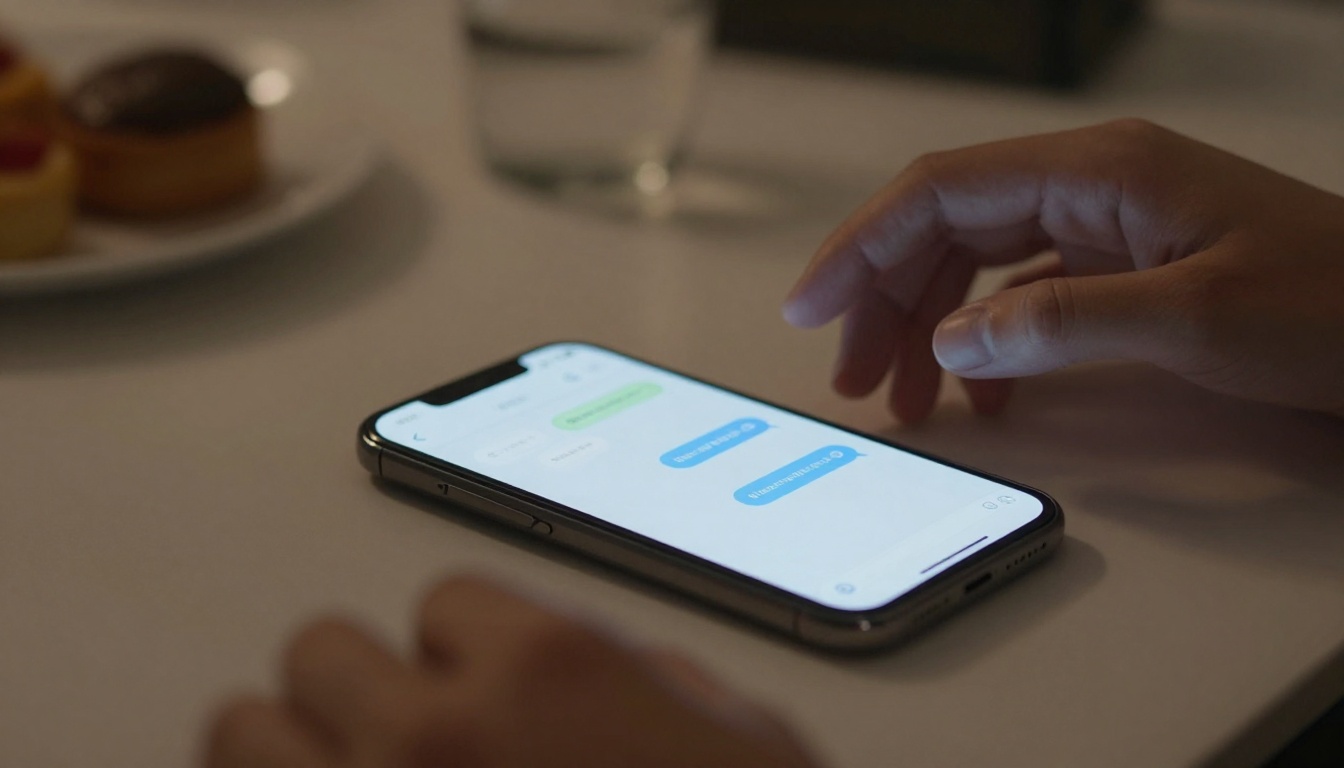
Picture this: your phone buzzes on the dinner table. Another group chat ping. Then two more. You glance down, irritation builds, and focus slips away. By bedtime, alerts from friends, family, and work have piled up. Sound familiar? In January 2026, fresh research shows people face about 146 notifications a day—one every 10 minutes. Group chats like WhatsApp top the list, sparking anxiety and stress. Gen Z gets hit hardest with 181 alerts daily, leading to disrupted sleep and shaky moods.
Constant interruptions fragment attention. It takes up to 23 minutes to refocus each time. Unpredictable pings act like a slot machine, pulling you back in. Mixed chats blend jokes, support, and tasks, causing emotional fatigue. Studies link this to lower positive feelings than face-to-face talks. About 20% of young people see tech worsen anxiety, while 30% of adults say mental health stalls their goals. Group chats fuel vigilance and restlessness.
This guide offers practical steps. Learn to spot overload signs, mute apps like WhatsApp, Telegram, Slack, and Discord on iOS or Android. Build routines to slash pings by 80% and reclaim calm. You will gain peace without missing key messages.

Photo by Brett Jordan
Spot the Signs That Group Chats Are Overwhelming You
You pick up your phone without thinking. A ping sounds, and you check it straight away. Irritation flares when chats demand quick replies. Late-night alerts ruin sleep. Productivity scatters as threads pull you from tasks. These clues show group chats control your day.
Research backs this up. Digital talks cut positive emotions compared to in-person chats. They build stress through constant vigilance. You feel restless, eyes darting to the screen. One worker described it as a trap: endless replies to family jokes and work updates left her drained by noon. Bonds weaken too. Phone messages lack the warmth of real talks, per studies.
Feel trapped? Track a day’s notifications. Note each ping and time spent. Many hit dozens, draining energy. Self-check questions help: Do pings spike your heart rate? Skip hobbies to scroll? Wake to check chats? Yes means overload. Spotting this cuts anxiety and lifts output. Boundaries start with awareness.
Track Your Notification Habits for One Day
Grab a notebook or app. Log every ping: time, app, and response length. Tally mood after—calm or frazzled? Most see 146 alerts daily, with group chats leading. Refocus takes minutes each time, stealing hours.
Gen Z averages 181 pings, breeding “notification anxiety”. Irritability grows without the phone. This simple log reveals patterns. You might spot 50 WhatsApp blasts alone. Awareness sparks change. End the day shocked at the toll, ready to act.
Recognise Emotional Drains from Mixed Group Messages
Chats mix fun, support, and work. Jokes land flat on screen. Urgent asks blend with memes. Overload hits. Studies show weaker ties from digital talks. You feel obligated to reply, even tired.
One parent shared: family group floods with kid photos and meal plans stole quiet evenings. Emotional fatigue builds. Humour loses punch; support feels shallow. 21% say pings harm mental health, rising to 28% for youth. Spot drains like guilt over unread messages. Name them to ease the pull.
Mute and Tame Notifications in Your Favourite Apps
Apps let you customise alerts. Turn off noise while keeping essentials. WhatsApp, Telegram, Slack, Discord—all have tools. Pair with iOS Focus or Android Do Not Disturb. Custom keywords like your name ping only then. Users report 80% fewer distractions.
Start with muting. Long-press chats, pick duration: 8 hours, week, or always. Archive to hide without leaving. Set status: “Busy till 5pm”. These tweaks silence chaos. Beeper unifies apps for one dashboard. iOS schedules Focus for work hours; Android sets DND routines. Test and adjust.
For work, Slack threads keep talks tidy. Snooze channels. Discord mutes roles. Results? Focus sharpens. Evenings stay calm. No more ping storms.
See Bupa’s advice on social media and mental health for related tips on digital wellbeing.
Quick Muting Tricks for WhatsApp and Telegram
WhatsApp: Open a group. Long-press, tap mute. Choose always or custom time. Enable mentions-only for your name. Archive: swipe left, it hides. Turn on disappearing messages for clutter-free chats.
Telegram: Use folders. Sort groups into work, friends. Set low priority for noisy ones—no sound or badge. Long-press channel, mute forever. Keywords filter alerts.
These steps take seconds. One user muted five groups: pings dropped from 100 to 20 daily. Peace returned. Try tonight.
Slack and Discord Settings That Silence the Chaos
Slack: Mute channels via preferences. Use threads for replies—no main flood. Snooze workspace. Set status: “Focused, mentions only”. Keywords notify for urgent.
Discord: Mute servers or roles. Notification settings per channel: nothing, mentions, all. Use threads. Suppress @everyone.
Customise per app. Work stays separate. Users gain hours back. Chaos fades; control grows.
Build Simple Daily Routines to Stay in Control
Routines beat willpower. Check chats three times: morning, lunch, evening. No badges tempt peeks. Set status: “Out till Monday”. Use channels over mega-groups. Bots handle reminders.
Phone on DND during focus blocks. Split chats: work one side, friends another. Track weekly: fewer pings? Better sleep? Wins build momentum. Picture calm evenings—no buzz, just presence.
Real-life shift: a teacher batched checks. Productivity soared; fatigue dropped. Real connections strengthened—no screen middleman. Less overload means sharper mind.
Explore Papyrus UK’s guide on setting boundaries for more on saying no in digital spaces.
Schedule Your Check-Ins to Avoid Constant Temptation
Pick slots: 9am, 1pm, 7pm. Turn off previews—titles only. iOS hides content in Focus; Android uses schedules.
Batch replies: scan, respond quick. Snooze till next slot. One pro cut checks from 50 to three. Focus tripled. Temptation fades with habit. Start small, one day.
Evenings free up. Read a book, chat face-to-face. Control feels good.
Reclaim Your Day with Boundaries That Last
You now know the signs: constant checks, irritation, fatigue. Muting WhatsApp, Telegram, Slack, Discord slashes pings. Routines like batch checks lock in gains. Research proves it—fewer alerts mean less anxiety, more output. Gen Z sees huge relief from 181 daily blasts.
Start simple: mute your noisiest group today. Track changes in a week. Notice sharper focus, better sleep? Share in comments—what tip works for you? Small steps build peace.
For 2026 mental health resets, check NextClinic’s five ways. Your phone serves you, not rules you. Take back control.