
Listen to this post: How Celebrity Breakups Shape Relationship Expectations Online (January 2026)
Your phone lights up on the bus, in the queue for coffee, at your desk between emails. A headline, a screenshot, a “statement” on a plain background. Within minutes, the comments fill with heart emojis, jokes, anger, and long threads from strangers acting like close friends.
That’s the strange power of celebrity breakups in January 2026. They don’t just entertain. They quietly reset what people think love should look like, how “healthy” couples act, and how quickly someone should “move on”. And because TikTok, Instagram, and YouTube turn private endings into public lessons, the breakup doesn’t end when the relationship does. It becomes content, a debate, and sometimes a template.
This isn’t about blaming celebrities for having messy lives, or blaming fans for caring. It’s about noticing the invisible rules we pick up online, and choosing which ones belong in real life.
Why celebrity breakups feel personal when you only watched online
Online, you can follow a couple for years without ever seeing them in person. You learn their habits through captions, interviews, and 15-second clips. You start to “know” them, or at least a version of them.
That connection can shape your expectations, even if you swear you’re just watching for fun. It can change what you think a good relationship looks like, what counts as a red flag, and how fast healing should happen.
For a clear explanation of why we bond with public figures, it helps to understand parasocial relationships, the one-sided emotional ties we form with people we don’t actually know. This Thoughtlab piece on parasocial love lays out the basics in plain terms.
The ‘highlight reel’ effect and the shock of a sudden split
Most celebrity relationships online look like a trailer, not a full film.
You see birthday tributes, holidays, matching outfits, the soft lighting of a “normal morning” that is still staged. You don’t see the boring logistics, the awkward arguments, the tired silences, the bills, the family tension, the small daily repairs that keep love going.
So when a breakup lands, it feels like the story has snapped in half. People experience whiplash because the baseline was never real life, it was curated life. A feed can make romance look constant, when most long-term love is repetitive and sometimes plain.
A simple takeaway: online love stories skip the hard parts. Real relationships don’t.
If you’ve ever looked at your own relationship after a celebrity split and felt a flicker of doubt, you’re not alone. The mind compares without asking permission.
Parasocial attachment, why fans pick sides, and how that rewrites ‘normal’
When people follow a couple, they often follow the couple as a single unit. Then a breakup forces a choice. The internet hates a grey area, so it pushes a story with a hero and a villain.
That instinct rewrites “normal” in everyday dating. You start expecting clean moral roles in messy human situations. You might catch yourself thinking:
- If my partner messes up, does that make them “bad”?
- If I forgive, does that make me “weak”?
- If we end, should I have a clear enemy?
But most breakups aren’t courtroom dramas. They’re two people with different needs, timing, and limits.
This is also why comment sections can feel so intense. They don’t just discuss a couple, they protect an identity. People project their own past relationships onto the people on screen, then fight to keep that story intact.
For more on the emotional pull of celebrity splits, the Australian Psychological Society’s look at why we get obsessed with celebrity breakups captures how normal these reactions are, and why they can still hit hard.
How breakup narratives on TikTok and Instagram set new rules for dating
Breakups used to be private, even when they were public. Now they come with a set of social media rituals. Some are harmless. Some turn love into a performance you can’t step away from.
In 2025 especially, public splits often triggered the same patterns: fast “statement” posts, sudden unfollows, comment-limiting, and weeks of fans trying to decode what was “really” said through silence. The details changed, but the script stayed familiar.
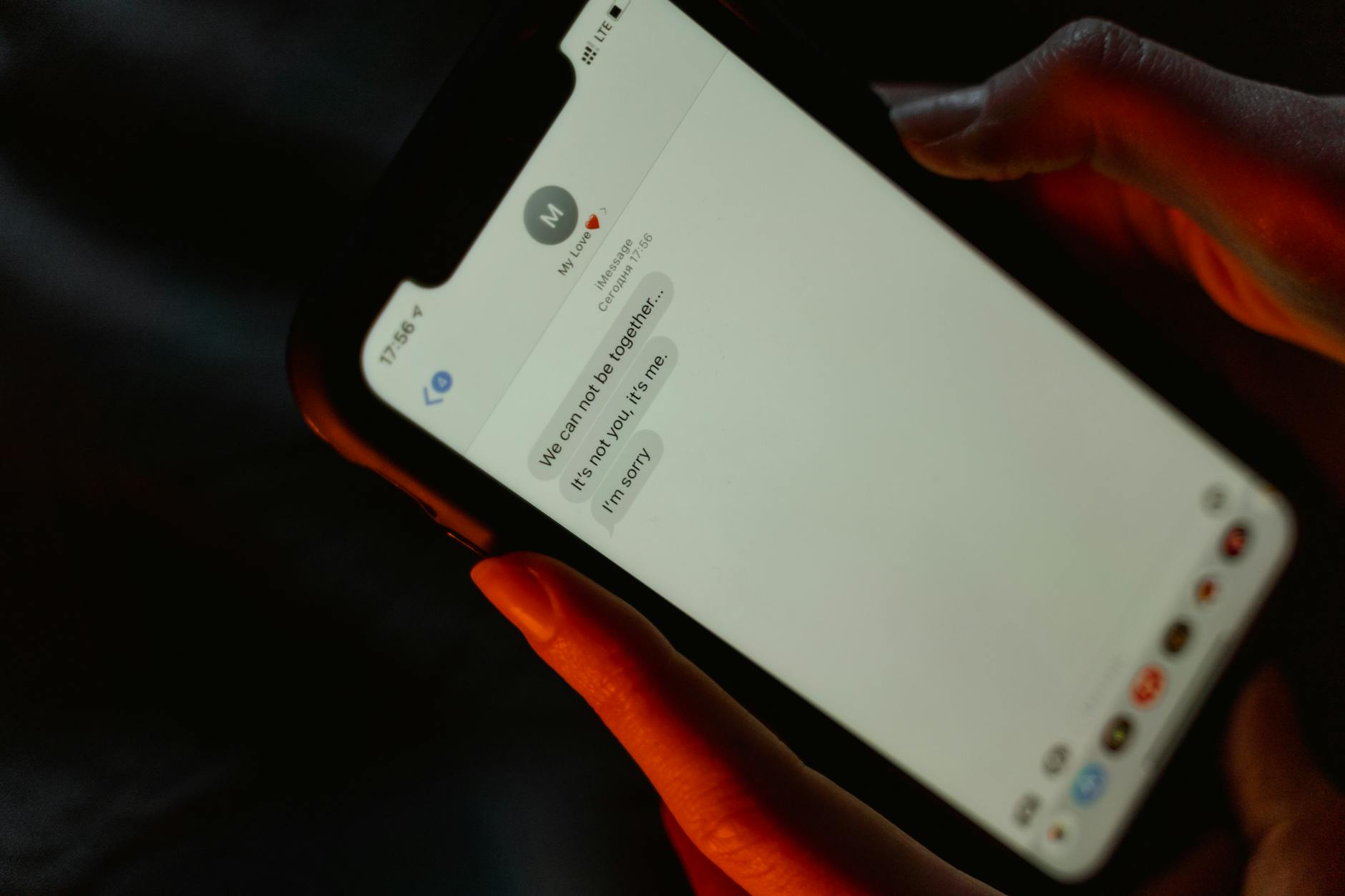
Photo by MART PRODUCTION
Soft-launches, hard-launches, and why ‘privacy’ now needs a strategy
Posting a relationship has become its own language.
A soft-launch is a cropped hand, a blurry shoulder, a dinner table with two drinks. A hard-launch is the full face, the tag, the caption that makes it official. Many celebrities use these moves to control press attention, but everyday couples copy them too.
The problem starts when “privacy” turns into planning your image.
People begin to date with a second audience in mind. They hold back affection because they’re scared it’ll look cringe later. They avoid honest talks because they don’t want to “ruin the vibe”. They stay quiet about conflict, then feel pressure to post extra happiness to balance it out.
A healthier reframe is simple: privacy is a boundary, not a branding plan.
If you want to keep parts of your relationship offline, that’s not mysterious. It’s protection. The point is agreement, not suspense.
Unfollows, ‘cryptic posts’, and the rise of breakup forensics
Breakup forensics is the internet’s favourite hobby.
A couple stops liking each other’s posts. Someone deletes a photo. A sad song appears on a Story. A caption changes from “us” to “me”. People screenshot, circle, zoom, and build theories like detectives with too much coffee.
In 2025, this style of “investigation” became louder. Public unfollows and vague quotes often did more talking than any statement, and audiences learned to treat tiny signals as proof. Even when the people involved said nothing, the feed produced a story anyway.
This doesn’t stay in celebrity culture. It trains all of us to over-read small things in our own lives.
Texting becomes a crime scene. A late reply feels like a clue. A missing emoji feels like a verdict. Seen receipts start to feel like a pulse check on love.
If you want a thoughtful take on how celebrity relationships turn into public narratives, this column on celebrity relationships and the public eye explains how speculation grows, and how quickly it can become unfair.
A useful rule: if your peace depends on decoding crumbs, you’re probably hungry for clarity that a platform can’t give.
The expectations people take into their own relationships (and how to keep them realistic)
After enough celebrity breakups, people don’t just learn about love. They learn how to act in love. And the online version comes with odd expectations.
You may notice it in quiet moments. A partner doesn’t post you, and you feel weird. A friend has a messy breakup, and you expect a perfect statement. You argue, and you try to sound like a therapist on TikTok.
Some of these changes can be helpful. It’s good that people talk more about boundaries, respect, and leaving unhealthy situations. It’s also true that constant breakup content can make love feel unstable, like everything ends sooner or later.
A piece in Vogue UK on why we’re so invested in celebrity break-ups captures that mixed feeling well, the emotional hangover after following a story that was never yours.
Unreal standards that creep in, perfect communication, instant closure, and public proof
These expectations often slide in quietly, dressed up as “self-respect” or “knowing your worth”. Some are fair. Some are traps.
- Perfect communication at all times: Online advice makes it sound like healthy couples never argue, they only “share feelings” calmly. Real couples get tired, snappy, distracted. What matters is repair, not perfection.
- Instant closure: Celebrity statements can look clean and tidy, even when the reality is painful. In real life, closure is often slow. Sometimes it’s just accepting you won’t get every answer.
- Therapy-speak in every fight: Phrases like “triggered” and “gaslighting” have real meaning, but they’re often thrown around as labels. If every argument becomes a diagnosis, you stop listening and start prosecuting.
- A perfect apology script: Online, people expect a public apology that covers every point, uses the right words, and arrives on time. In real relationships, apologies are messy. The best ones are specific, not dramatic.
- Public proof of loyalty: Some people now read posting as commitment. No tag means shame, no couple photo means trouble. But love isn’t a press release, and privacy isn’t betrayal.
- A clean “good person, bad person” ending: The internet prefers a simple villain. Real breakups are often two decent people who couldn’t make it work.
A quick test: if your standard would make your relationship feel like a performance review, it probably needs adjusting.
A simple checklist for what to copy from celebrities (and what to ignore)
Celebrities do model some useful behaviours, especially when they choose calm, boundaries, and respect under pressure. Copy the parts that protect real love, not the parts that win comment sections.
Copy:
Boundaries: Agree what stays private (arguments, family issues, money talk).
Respect: No humiliating posts, no subtweets, no “just jokes” at your partner’s expense.
Honest talks: Say what you need plainly, without an audience.
Ignore:
Performance: Posting to prove you’re happy, or withholding posts to seem powerful.
Public scorekeeping: Unfollow theatre, cryptic captions, collecting sympathy likes.
Rush labels: Calling someone “toxic” because a clip went viral.
Three practical habits that help most couples:
- Phone-free time that’s real: Even 30 minutes at dinner without scrolling lowers tension fast.
- A shared plan for social media: Not rules, just agreement. What’s okay to post? What isn’t?
- Name your online triggers: If breakup videos make you anxious or harsh, mute them for a while. Your feed should not run your relationship.
Celebrity breakups can be a mirror, but you choose what you see in it.
Conclusion
Celebrity breakups shape relationship expectations online because they teach a script, even when nobody says they’re teaching. Parasocial bonds make the endings feel personal, highlight reels distort what “normal” love looks like, and TikTok and Instagram turn breakups into a set of public rituals.
Take what helps, and leave the rest. A good relationship isn’t built on perfect posts, or perfect closure, it’s built on steady respect and honest repair.
Pay attention to the content that makes you anxious, suspicious, or quick to judge. Then choose offline values over online noise, and let your relationship be real enough to breathe.