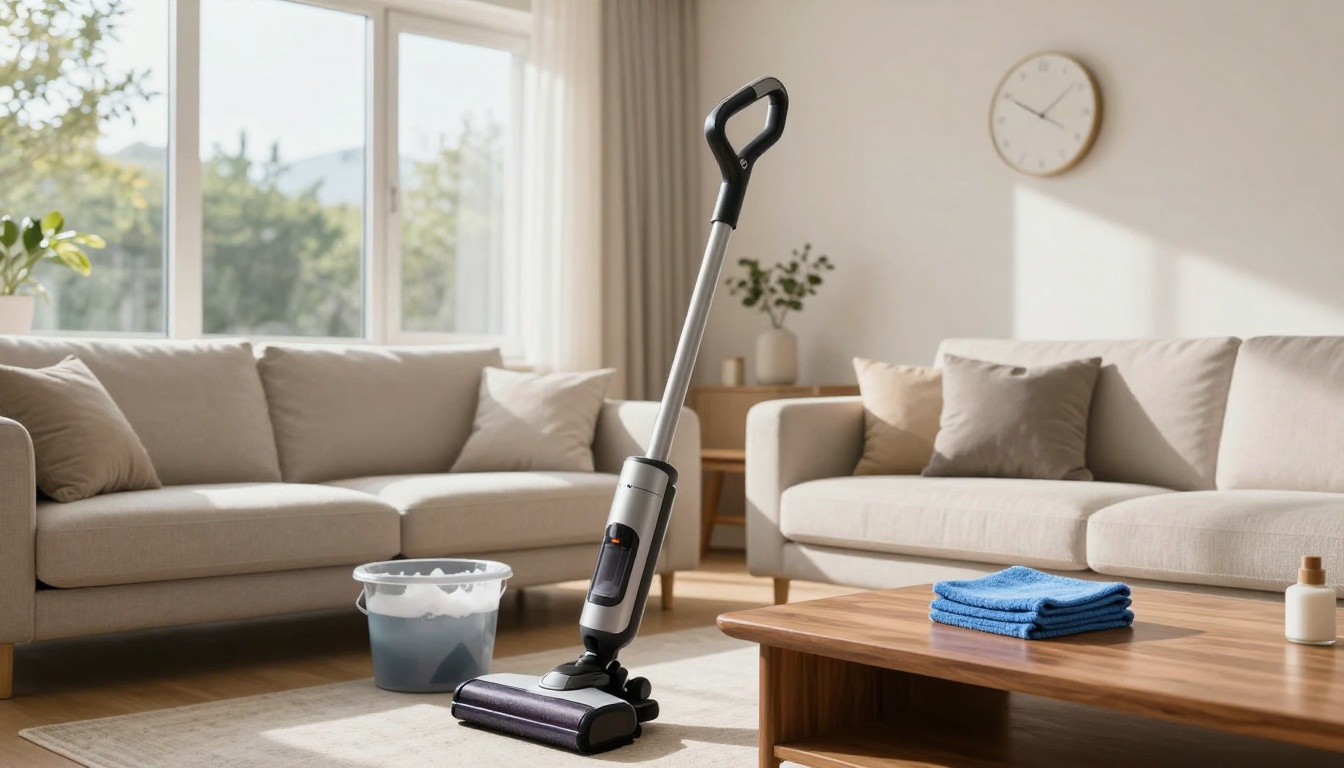

Listen to this post: How to Deep Clean Your Home in a Weekend (Without Burning Out)
By Friday evening, the house can feel like it’s wearing the week on its sleeve. Shoes by the door, crumbs in the corners, fingerprints on light switches, and that faint “something” smell you can’t place. It’s not messy in a dramatic way, it’s just… lived in. And a bit tired.
A weekend deep clean is the reset button. Not a renovation, not an all-out clear-out, just a smart, focused clean that gets the hidden dust, sticky patches, and dull surfaces back to “fresh”. The trick is simple: declutter first, then clean top-to-bottom, one room at a time.
Picture it in time blocks: 60 to 120 minutes on Friday night to prep, 6 to 8 hours on Saturday for the main rooms, then 4 to 6 hours on Sunday for bathrooms, floors, and the finishing touches.
Friday night prep, set yourself up for a fast deep clean
Friday prep is the quiet hero of a weekend deep clean. You’re not trying to scrub anything yet. You’re making Saturday feel smoother, like you’ve already pushed the first domino.
Aim for 60 to 120 minutes, then stop. You want to wake up on Saturday with a plan, not resentment.
Here’s a mini-checklist you can screenshot:
- Put laundry on (bedding first if you can)
- Load and run the dishwasher (or empty it so it’s ready)
- Fill a “cleaning caddy” with supplies
- Do a 20-minute whole-house declutter sweep
- Set out bin bags and a donation bag
- Charge the cordless vacuum (if you have one)
Grab supplies once, avoid mid-cleaning shopping trips
Nothing kills momentum like realising you’ve run out of cloths halfway through the kitchen. Get everything together now, even if it’s not glamorous.
Must-haves for a weekend deep clean:
- Microfibre cloths (a small stack, not just one)
- Vacuum with attachments (crevice tool, brush head)
- Mop and bucket (or a flat mop)
- Scrub brush and an old toothbrush for edges
- Rubber gloves
- Bin bags (plus one spare roll if you’re low)
- Spray bottle (or two)
If you like simpler, lower-waste options, a few basics cover a lot:
- White vinegar (good for some limescale and glass)
- Baking soda (for mild scrubbing)
- Hydrogen peroxide (handy for brightening grout in some cases)
Keep it all in a caddy or strong basket so you can carry it room to room without doing laps.
Safety matters too. Check labels, open windows, and never mix chemicals, especially bleach with anything acidic like vinegar.
For deeper professional-style sequencing, this step-by-step guide is useful background reading: How to deep clean your house in 7 steps. starting your blog journey in 2026 can be an exciting venture filled with endless possibilities. With the right tools and strategies, you can build a platform that resonates with your audience. As you explore different niche topics, consider how current trends can influence your blog’s content and direction.
Do a whole-house declutter sweep in 20 minutes
This isn’t the time to reorganise drawers or “sort paperwork”. You’re clearing surfaces so you can actually clean them.
Set a timer for 20 minutes and move fast. Use this rule:
Bin, return, donate.
- Bin: obvious rubbish
- Return: items that clearly belong in another room
- Donate: one bag for “I don’t want this in my house anymore”
Keep it surface-level. Don’t open cupboards. Don’t start folding. Don’t get pulled into memory lane.
The payoff is immediate: decluttering first stops you from wiping around objects and vacuuming in weird zigzags. It also gives you that first hit of progress, which keeps you going on Saturday.
Saturday deep clean, tackle the main rooms room by room
Saturday is the heavy lift, so treat it like a workday with breaks. Plan for 6 to 8 hours total. Put on a playlist, open a window, and keep drinks and snacks easy. Incorporate some family activities for all ages to make the day enjoyable for everyone involved. Consider setting up games that cater to different interests and age groups, ensuring that all members can participate. By balancing productivity with fun, you’ll create a fulfilling experience for the entire family.
Your method stays the same in every room:
Start high, finish low.
- High: cobwebs, lights, shelves, tops of frames
- Mid: surfaces, handles, switches, doors
- Low: skirting boards, corners, floors
If you can, close the door on finished rooms. It’s a small psychological trick, but it works. The “done” spaces stay done. As you focus on the unfinished areas, consider using roombyroom decluttering tips to streamline the process. Each room you tackle will contribute to a more organized home, making it easier to maintain the spaces you’ve already completed. Embrace the satisfaction of progress as you see each area transform into a functional environment.
Kitchen deep clean in 1 to 2 hours (grease, appliances, and the sink)
Kitchens look clean even when they aren’t. The shine hides the film. A deep clean cuts through the grease you’ve stopped noticing.
A practical order:
- Clear counters and do a quick dish sweep
- Dust and wipe high spots (extractor hood, cabinet tops)
- Clean cabinet fronts and handles
- Tackle appliances and the sink
- Finish with the floor and bin
Start with the high grime. Extractor hoods and tiles collect sticky dust that clings like felt. Warm soapy water often works better than harsh sprays. If you use a degreaser, rinse properly so it doesn’t leave a dull tacky layer.
On appliances, focus on touch points: fridge handles, oven knobs, microwave buttons, kettle and toaster exteriors. Those are the areas you touch with “cooking hands”.
For a quick fridge reset, don’t overthink it:
- Toss old food
- Wipe shelves and the vegetable drawer
- Give the seals a quick clean (they trap crumbs)
Then give the sink the starring role. A truly clean kitchen has a clean sink, because it’s where everything ends up. Scrub it, rinse well, then dry and buff the tap. That final shine changes the whole feel of the room.
Finish with the floor, then wipe the bin lid, pedal, and handles. Those bits get ignored and quietly hold onto smells.
If you want a checklist-style kitchen flow to compare against, this weekend plan is a solid reference: 8 steps to deep cleaning your house in one weekend.
Living room reset in about 1 hour (dust, soft furnishings, high-touch points)
The living room holds the week’s energy. It’s where you flop, snack, and scroll. It also collects a fine layer of dust that turns the air “flat”.
Start at the top:
- Dust shelves, picture frames, lamp shades
- Use a gentle cloth on screens and electronics (no soaking sprays)
- Wipe coffee tables, side tables, and window sills
Then hit the high-touch points. Remotes, light switches, door handles, and game controllers carry more grime than most people realise. A lightly damp cloth (not dripping) is usually enough.
Give the sofa a proper vacuum. Pull off the cushions, vacuum seams, and check under the frame. You’ll probably find coins, crisps, and a hair tie that’s been missing since last summer.
If there are marks on walls, test a small hidden spot first. Paint finishes vary, and some “quick fixes” can leave shiny patches.
A simple clutter rule helps here: everything gets a home, or it leaves the room. If you don’t know where something belongs, put it in a small basket to sort later, not on the coffee table again.
Bedrooms in 1 to 2 hours each (bedding, mattress, and wardrobe quick wins)
Bedrooms should feel like a calm exhale. Deep cleaning them doesn’t need fancy products, it needs order.
Start laundry first. Bedding takes the longest, so get it moving while you work:
- Strip the bed (including pillow protectors if you use them)
- Wash on the warmest safe setting for the fabric
- Air the mattress while the bed is bare
Then work top-down:
- Dust surfaces, headboards, and lamps
- Wipe bedside tables (including the drawer pull)
- Clean mirrors (less product, more buffing)
Next, the mattress. Vacuum it using the upholstery attachment. If you can rotate it, do it. It’s not always fun, but it’s one of those “future you” favours.
For wardrobes, keep it tight. No full clear-out today. Do a fast pass and pick 10 items to donate. If you hesitate over an item for more than a few seconds, it’s a candidate. Put them straight into the donation bag and move on.
Finish by making the bed. Fresh bedding is a morale boost you feel in your shoulders.
Sunday deep clean, bathrooms, floors, and the finishing touches
Sunday is where the house starts to feel new again. It’s less about wrestling with clutter and more about polish. Plan 4 to 6 hours, depending on how many bathrooms you have and what your floors are like.
This is also the day for the “small things” that change the mood: mirrors, taps, grout lines, edges, and the corners that collect lint like tiny tumbleweeds.
Bathrooms in 30 to 40 minutes each (grout, limescale, and mirrors)
Bathrooms respond well to a simple sequence. Let products sit while you do something else, so you’re not scrubbing for no reason.
A clean order that works:
- Spray shower, bath, sink, and toilet cleaner, then leave it to sit
- Clean the toilet (seat, rim, base, behind)
- Scrub shower and bath (pay attention to corners and the drain area)
- Clean sink and taps, then buff dry
- Polish the mirror
- Finish with the floor
For limescale, white vinegar can help on some surfaces, but check what you’re cleaning. Natural stone and certain finishes don’t like acids. If in doubt, use a bathroom cleaner designed for the job, or spot-test first.
For grout, a baking soda paste gives gentle grit. Apply, scrub, rinse. If you’re trying to brighten stubborn grout, hydrogen peroxide can work in some cases, but ventilate well and rinse thoroughly.
Open a window, run the extractor fan, and don’t trap fumes in a closed room. Bathrooms are small, and strong products build up fast.
For a room-by-room checklist you can compare against, this is a helpful guide: Deep cleaning your house: a room-by-room deep clean check list.
Whole-house floors and final sanitise pass (the part that makes it feel new)
If you only have the energy for one final push, make it the floors and touch points. They change the feel of the whole home more than people expect.
Start with vacuuming everywhere, even rooms you “did yesterday”. Dust settles. Crumbs travel.
Go slowly along edges and skirting boards. Use the crevice tool where the floor meets the wall, and under the sofa where fluff gathers in a grey line.
Then mop or steam hard floors. Don’t soak them. Too much water leaves streaks and can damage some wood and laminate. Work in sections, and change the water if it turns murky. Clean water cleans better.
For rugs and carpets, do the basics:
- Spot-clean stains you can see
- Shake small rugs outside if possible
- If you have a carpet cleaner and time, use it on the worst traffic areas
Finish with a quick sanitise pass on high-touch points:
- Door handles
- Light switches
- Bannisters
- Fridge handle
- Kettle handle
- Phone screens (use a screen-safe wipe)
A good rule: less product plus microfibre often cleans better and leaves fewer streaks. You’re lifting grime, not painting chemicals onto surfaces.
If you want an extra thorough list of commonly missed areas, this checklist is handy for future rounds: A comprehensive checklist for deep cleaning your house.
Conclusion
By Sunday afternoon, the air feels lighter. Surfaces look clear, taps catch the light, and the rooms feel calm in a way you can’t fake with a candle. That’s the payoff of a weekend deep clean.
To keep it going, stick to a small maintenance rhythm: a 10-minute daily reset (dishes, quick tidy, wipe one surface), plus one deep-clean task each week (like skirting boards, the fridge shelf, or the bathroom grout). Your next deep clean won’t feel like a mountain.
Save your Friday checklist, set a playlist you actually like, and start with prep. The house doesn’t need perfection, it needs a fresh start.