
Listen to this post: From UK Paycheck to Nigeria Responsibilities: How Money Really Disappears
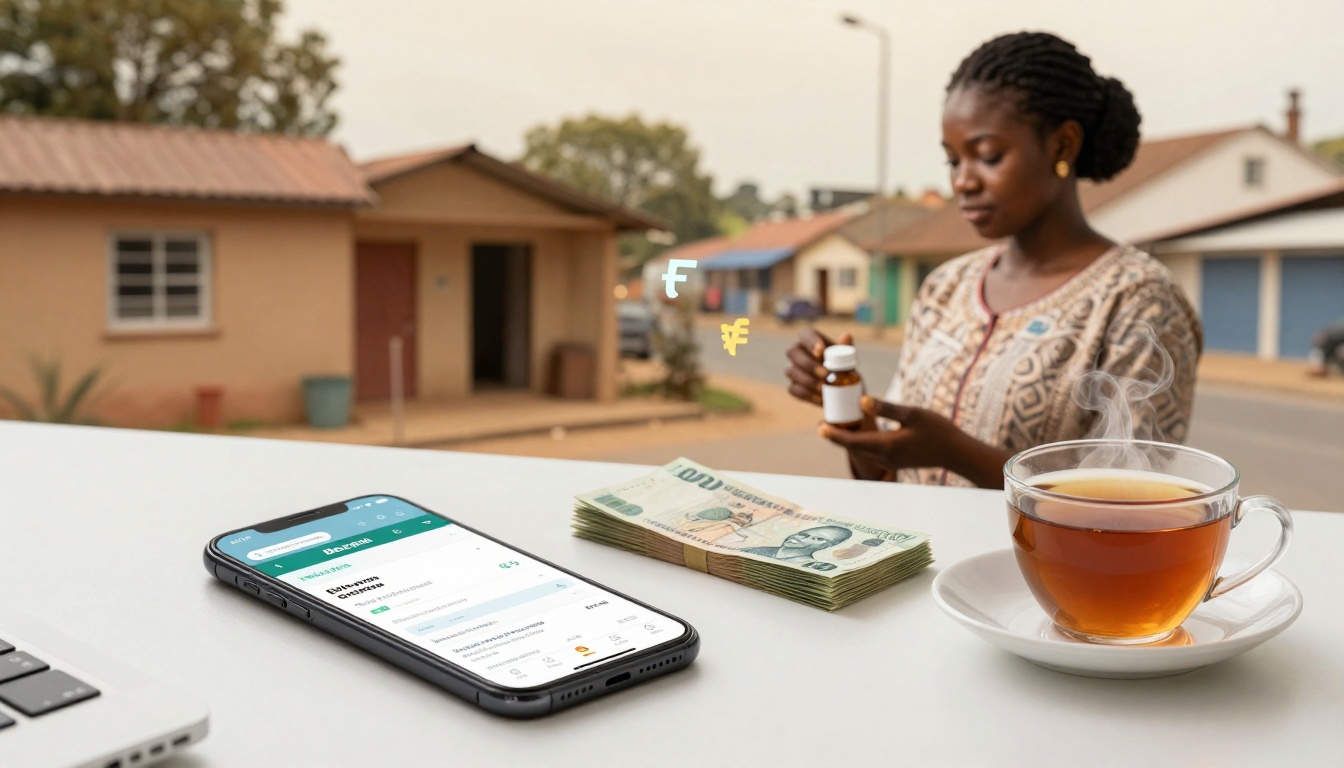
Your phone buzzes on payday. For a second, it feels like relief.
Then the standing orders start queuing up like people at a bus stop. Rent. Council tax. Travel. A credit card minimum. Before you’ve even made tea, WhatsApp messages land from home. “School fees are due.” “Fuel’s gone up again.” “Mum’s blood pressure meds finished.”
This is the quiet stress behind UK to Nigeria family support. The money isn’t vanishing by magic, it’s being pulled in two directions at once. And in January 2026, with the pound sitting roughly around ₦1,901 to ₦1,939 per £1, that pressure can feel sharper, because every £10 looks like a lot in naira, even when it isn’t much in London.
Why your UK paycheck vanishes fast when you support family in Nigeria
Supporting family back home can feel like living a double life.
In the UK, your costs are fixed and unforgiving. In Nigeria, the needs are urgent and emotional. Both feel non-negotiable, so you end up paying two “must-pay” lists from one income.
A simple way to see the squeeze is to separate money into two buckets:
- UK survival (the bills that keep you housed, working, and stable)
- Nigeria responsibilities (support that keeps your people safe and moving)
The problem is that the UK bucket takes from the top, automatically, and leaves you negotiating the Nigeria bucket with whatever is left.
Here’s a rough example. It’s not meant to match your life exactly, it’s just to show how the gap forms.
| Monthly snapshot (example) | Amount |
|---|---|
| Net pay | £2,200 |
| Rent and bills | £1,200 |
| Council tax | £150 |
| Travel | £200 |
| Food and basics | £300 |
| Debt minimums | £150 |
| Total UK spend | £2,000 |
| Left to send and save | £200 |
That £200 isn’t “spare”, it’s your breathing room. It’s haircuts, winter shoes, a dentist, an unexpected train ticket, or the week you get fewer shifts. But to family, £200 can look like a rescue boat.
The hidden maths: UK bills come off the top before you even send a penny
Most people don’t feel broke because they’re reckless. They feel broke because modern UK life is expensive in boring, repeatable ways.
These are the usual suspects that eat the first half of your month:
Rent: Often the biggest chunk, especially in cities.
Council tax and utilities: The quiet drain that doesn’t feel “optional”.
Travel to work: If you don’t pay it, you can’t earn.
Childcare: A second rent, for many families.
Debt minimums: The payment you make just to stand still.
When someone in Nigeria asks for help, they aren’t seeing this list. They’re seeing the number that landed in your account, and they’re imagining you’ve got space.
Nigeria needs are not “small” anymore: inflation turns basics into big requests
A lot of tension comes from one simple fact: prices don’t stay put.
Even without quoting a single inflation figure, you can feel it in the pattern. Food costs change quickly, transport costs jump, and school fees rarely go down. So the same request keeps returning, not because people enjoy asking, but because the ground keeps shifting.
Typical monthly support can stack up fast (and families may combine these):
- Family support: ₦50,000 to ₦150,000
- Education: ₦20,000 to ₦100,000 per child
- Housing: ₦30,000 to ₦80,000
- Food support: ₦40,000 to ₦70,000
- Fuel and transport: ₦20,000 to ₦50,000
Seen together, it’s not “small money”. It’s a second set of bills, just in a different currency, with less predictability and more urgency.
Where the money really leaks: transfers, exchange rates, and “small” emergencies
Even when you choose a sensible amount to send, the total you lose can surprise you.
Part of it is emotional: one emergency becomes three. Someone’s generator fails, then there’s a clinic visit, then it’s a burial contribution. Each one feels temporary. Together, they become a monthly line item.
The other part is mechanical: fees, exchange rates, and timing. These are the tiny holes in the bucket.
Transfer fees and FX markups: the cost of helping can be 2% to 10%
Money transfers usually have two costs:
Fees: a clear charge you can see before you send.
FX markup: when the exchange rate offered is worse than the mid-market rate.
Specialist transfer services often compete on price, while banks can be pricier once fees and rate differences are added up. As a rule of thumb, people often see total costs anywhere from low single digits to near 10%, depending on provider, speed, and payment method.
A quick example makes it real:
- Send £200, and 3% “friction” is £6
- Send £500, and 3% is £15
That’s not a one-off. Do it most months and you’re paying the cost of a weekly shop, just to move money.
If you want a practical place to compare providers and understand trade-offs, start with a clear comparison guide like Compare Remitly vs Wise. It helps you focus on the total cost, not just the headline fee.
The naira moves, expectations do not: why “£100 should be enough” stops being true
In January 2026, the pound has been roughly in the ₦1,901 to ₦1,939 per £1 range. That swing looks small on paper, but timing still matters, especially when Nigerian prices rise and households are stretched.
The harder issue is expectations. Families remember when a certain amount covered a month. They anchor to the old price of rice, fuel, or school contributions. When those costs jump, the request comes back quickly, and it can sound like nagging when it’s really maths.
No single headline explains every currency move, and the available January rate data doesn’t pin it on one cause. But in everyday terms, exchange rates can wobble when import costs rise, access to foreign currency tightens, oil income changes, or policy shifts alter how money flows.
How to support Nigeria without going broke in the UK: a clear, kind plan
You don’t need to stop helping to stop sinking. You need structure that protects your base.
Think of it like oxygen masks on a plane. If you can’t breathe, you can’t help anyone else.
Set a ‘support budget’ that protects your UK life first, then stick to it
Pick a system you can repeat, even in a hard month.
Step 1: List your fixed UK costs (rent, council tax, travel, debt minimums).
Step 2: Choose a safe monthly support amount you can maintain.
Step 3: Set one send day (for example, the 2nd working day after payday).
Step 4: Treat it like a bill, not a favour.
Use scripts that don’t invite a debate:
- “I can send £X on my send day. That’s what I can manage this month.”
- “I can’t do extra right now, but I can help plan for next month.”
- “If it’s urgent, tell me the full cost and deadline. I’ll confirm what I can cover.”
For emergencies, keep one small pot with a clear limit. When it’s empty, it’s empty. That boundary saves relationships as much as it saves money.
Make support smarter: split needs, pay direct, and choose cheaper transfer routes
Support works better when it’s not a single messy stream.
Essentials vs goals: Cover food or school first, then save for bigger plans like business or building.
Pay direct where possible: If you can pay a school or landlord directly, it reduces stress and confusion.
Avoid rush transfers: Last-minute sending often costs more.
To compare routes, look at transparent breakdowns of fees and rates, and don’t rely on what you used last year. Guides like The 13 best UK banks for sending money abroad (2026) and broader round-ups such as Cheapest International Money Transfer Services in 2026 can help you spot the difference between “fast” and “good value”.
Services like Wise, Xe, and Remitly are common options to compare, but the best choice changes with amount, speed, and payout method. Check the real rate and the total cost each time.
Conclusion
Money doesn’t disappear between the UK and Nigeria, it gets stretched. UK bills take the first cut, Nigeria needs keep rising, and transfer costs add friction to every good intention. Supporting family is honourable, but it works best with structure, not guilt.
Choose one change today: set a monthly cap, pick a single send day, or build a small emergency pot with a firm limit. Payday can still be peaceful. You should be able to breathe after your phone buzzes, not brace for impact.