
Listen to this post: How to Choose a Profitable Niche for Your Blog (Without Getting Stuck)
Most people don’t quit blogging because they’re lazy. They quit because the topic they picked can’t pay the bills.
At first, it feels exciting. You publish a few posts, tell your mates, maybe even get a handful of readers. Then the hard bit arrives: you realise you don’t know what to write next, traffic is slow, and money is a distant rumour.
This guide gives you a simple way to choose a profitable blog niche that still feels like you. The aim is straightforward: a niche with real reader demand, clear ways to earn, and enough depth to keep you writing for years. as you embark on the exciting journey of starting your first blog in 2026, remember to align your content with your passions and expertise. Focus on building a community around your topics, allowing for genuine connections with your audience. Consistency and authenticity will be key as you develop your unique voice in a competitive landscape. To effectively drive traffic to your blog, consider utilizing keyword tools for new bloggers, which can help you identify the right topics to write about. By optimizing your content with relevant keywords, you can enhance your visibility and attract a larger audience. Engaging with these tools will also refine your understanding of what resonates with your potential readers, further empowering your blogging journey.
Start with the sweet spot: what you know, what you enjoy, what people pay for
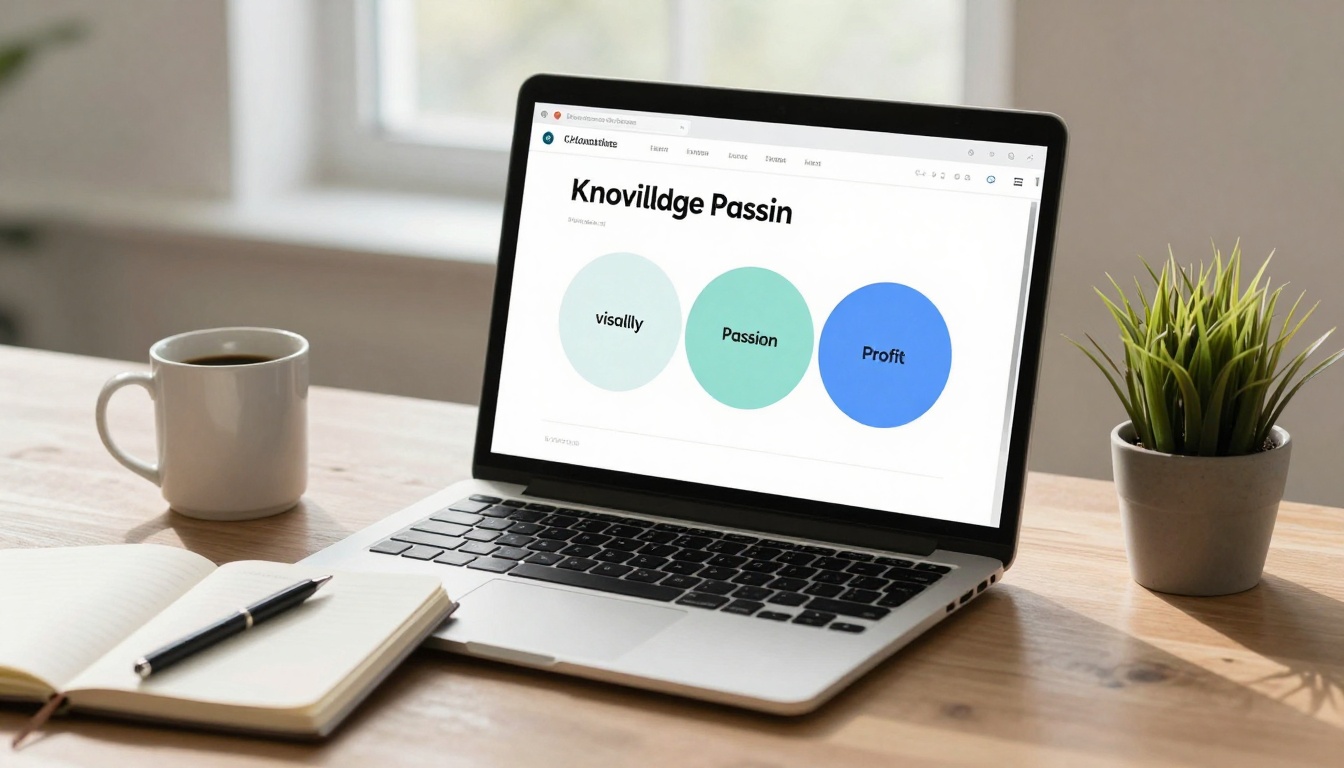
Picture three overlapping circles:
- What you know (skills, experience, hard-won lessons).
- What you enjoy (topics you’ll stick with on a tired Tuesday night).
- What people pay for (because it saves time, removes stress, or helps them earn).
Your niche sits in the overlap. Miss one circle and you’ll feel it.
If you enjoy it but don’t know it well, you’ll spend forever catching up and doubt will creep in. If you know it but don’t enjoy it, you’ll burn out once the novelty fades. If people don’t pay for it, you might get compliments, but not income.
A five-minute prompt list (set a timer, write messy answers):
- Skills: What can you do without overthinking it?
- Work experience: What did you do in your last two roles?
- Hobbies: What do you happily spend money or weekends on?
- Problems solved: What have you fixed in your life that others still struggle with?
- Questions you get: What do friends or colleagues ask you for help with?
If your list feels thin, don’t panic. Many strong niches start as “I’m one step ahead of the reader” rather than “I’m the world’s top expert”.
Turn your life experience into a clear promise readers want
A niche isn’t “fitness” or “food”. That’s a aisle in a supermarket. People don’t walk into an aisle, they grab something because they want a result.
Your goal is to move from topic to promise.
- Topic: “personal finance”
Promise: “help UK graduates build a simple budget and pay off overdrafts” - Topic: “tech”
Promise: “help freelancers pick the right laptop and apps for remote work”
A good promise has three parts: a person, a problem, and a result.
Try this sentence: “I help [who] to [get result] without [pain].”
Here are niche promise examples you can copy and tweak:
- Finance: Help young families stop living pay cheque to pay cheque and start saving without feeling deprived.
- Fitness: Help desk workers reduce back pain with 15-minute strength sessions at home.
- Food: Help new mums cook quick, healthy dinners with supermarket ingredients and minimal washing-up.
- Eco-living: Help renters cut waste and energy bills without expensive ‘eco’ swaps.
- Tech: Help small business owners use AI tools to write faster, organise tasks, and reply to customers.
Notice how each one points to an outcome. Readers can see themselves in it.
Avoid passion traps that look fun but don’t sell
Some niches feel warm and fuzzy, but they struggle to earn because they don’t solve a clear problem.
Common traps:
The “I just love it” niche: You can talk for hours, but can’t explain what the reader gets.
The vague lifestyle blog: It becomes a scrapbook, not a destination.
The opinions-only blog: Hot takes attract debate, but buyers want guidance.
A simple rule keeps you honest: readers pay to remove pain, save time, or make money.
That doesn’t mean your writing must be dry. It means your content has to help. Even a film blog can earn if it’s built around action, like “best streaming set-ups for small flats” or “parent-safe film night lists with printable picks”.
Check if the niche can make money before you commit
A niche becomes profitable when money can naturally move through it. Not every post needs to sell something, but there must be a clear path from reader need to purchase.
In January 2026, the niches that keep showing up as strong earners include food and recipes, personal finance, health and fitness (including mental wellbeing), digital marketing, and tech and AI. That matches what many industry round-ups report, including lists from Elementor’s profitable blog niches for 2026 and broader idea banks like Wix’s niche ideas.
Other areas can also work well, especially when you sharpen the angle: sustainability, DIY, travel, gaming, and career skills.
The main point: profit usually comes from buyer intent, not just huge traffic. Ten thousand readers searching “best budgeting app for couples” are worth more than one hundred thousand browsing “money quotes”.
Pick a monetisation plan first: ads, affiliates, services, or digital products
Many bloggers write for months, then ask, “How do I monetise?” Flip it. Pick your monetisation route early so your niche supports it.
Ads
Best for: high-volume topics (recipes, DIY, parenting, entertainment).
You’ll need: steady traffic, lots of page views, strong SEO basics.
Reality check: ads rarely pay well at low traffic, so it’s slower early on.
Affiliate marketing
Best for: niches with products people compare (tech, finance tools, fitness gear, home and kitchen).
You’ll need: trust, honest reviews, clear “best for…” posts.
Examples: kitchen tools and cookbooks for recipe sites, budgeting apps for finance, software tools for marketing.
Services (freelance or coaching)
Best for: skills-based niches (SEO, design, bookkeeping, nutrition coaching, career coaching).
You’ll need: proof you can get results, a clear offer, a simple contact path.
Upside: you can earn with low traffic if the audience is targeted.
Digital products (templates, courses, printables)
Best for: niches where people want a repeatable result (budget planners, meal plans, strength plans, checklists, mini-courses).
You’ll need: a clear before-and-after and an email list to sell to.
If you want extra context on narrowing and validating a niche for selling products, Shopify’s guide on niche selection is a solid read: How To Find Your Niche.
Do a fast ‘buyer proof’ test in 20 minutes
Before you buy a domain, do this quick test. All you need is a browser and a notes app.
Search your niche on Google and YouTube. Look for five signals:
- Products people compare (“best…”, “top…”, “vs”)
- Paid tools or apps in the space
- Courses or coaching offers
- Brands running ads (sponsored results are a hint)
- Affiliate programmes (brands with partner pages, or lots of review sites)
Score each item:
- 0 points: you can’t find it
- 1 point: it exists but feels thin
- 2 points: it’s clearly active and competitive
Add them up out of 10.
Pass threshold: aim for 7 or more.
A 4 or 5 doesn’t mean “never”, but it’s a sign you’ll need a sharper angle or different monetisation plan.
Validate demand and competition with simple research (no fancy tools needed)
A profitable niche isn’t just about money. It needs steady interest, month after month. You want a topic that behaves like a river, not a puddle after rain.
Use these beginner-friendly checks:
- Google Trends to see if interest is stable or seasonal.
- Google autosuggest to see what people type next.
- People also ask boxes for real questions.
- Forums and Reddit for raw pain points and language.
- YouTube search to spot topics with repeat demand.
- Pinterest for lifestyle and visual niches (food, DIY, decor, wellness).
You’re not hunting one-week spikes. You’re looking for problems that keep coming back, like laundry.
If you want more niche inspiration to compare against your own ideas, skim lists such as Webnode’s trending blog topic ideas for 2026 and treat them as a menu, not instructions.
Find keywords that show intent, not just curiosity
Some searches mean, “I’m interested.” Others mean, “I’m ready to buy or act.”
Curiosity keywords often start with “what is”, “why”, “does”, “can you”. They’re useful for traffic and trust, but they don’t always convert.
Intent keywords often include words like “best”, “review”, “vs”, “cheap”, “template”, “price”, “cost”, “for beginners”.
Here are 10 plug-and-play patterns. Swap in your niche:
- best [tool] for [audience]
- [product] review (UK)
- [tool] vs [tool]
- cheap [thing] for [goal]
- [problem] checklist
- [problem] template
- how to [result] in [timeframe]
- [thing] cost in the UK
- [audience] guide to [topic]
- [tool] alternatives
When your niche supports lots of these patterns, it’s usually a sign there’s money nearby.
Spot competition you can actually beat as a new blog
You don’t need SEO jargon to judge a search results page. You need eyes and honesty.
Search a few of your keyword patterns and check:
- Are the top results huge brands (BBC, NHS, major banks, Amazon)?
- Are the posts fresh, or are they from 2019 and dusty?
- Do the results match the search, or do they feel off-target?
- Are there small blogs ranking in the top 10?
Green lights for a newer blog:
Low-quality posts: thin content, vague advice, or obvious fluff.
Mixed intent: Google isn’t sure what the searcher wants yet.
Weak titles: “My thoughts on…” instead of clear outcomes.
Outdated advice: old prices, old rules, old tools.
Missing UK angle: US-only content for queries that need UK context.
Your advantage often comes from being more specific, more current, and closer to the reader’s real life.
Narrow your niche the smart way, then test it with a small content plan
Broad niches sound safer, but they’re harder to grow. You become “one more blog about fitness” rather than “the blog for busy shift workers who want quick strength training”. To stand out and connect with specific audiences, it’s beneficial to join hobby groups in the UK that align with your niche. These connections can lead to unique insights and opportunities to share specialized content that resonates with your readers. Engaging actively with these communities can transform your blog from a generic fitness site into a valued resource for targeted interests.
A smart niche is narrow enough to stand out, but wide enough to give you years of topics.
A practical way to narrow:
- Choose your audience (who it’s for).
- Choose the main problem (what hurts).
- Choose your angle (UK focus, budget focus, beginner focus, time-saving focus).
Then test it for 30 days before you rebrand your entire life around it.
Use a simple niche formula to get specific without getting stuck
Use these formulas to generate options quickly:
- (Audience) + (Goal) + (Method)
- (Topic) + (Constraint) + (Outcome)
- (Life stage) + (Problem) + (Tool)
Six example niches (broad enough to grow, clear enough to earn):
- Food: Busy couples + eat healthier + 20-minute batch cooking.
- Finance: UK first-job workers + build savings + simple automation and budgeting apps.
- Sustainability: Renters + cut waste + low-cost swaps and second-hand finds.
- Mental health: New parents + reduce anxiety + short routines and better sleep habits.
- Tech: Freelancers + work faster + AI writing and admin tools.
- Fitness: Desk workers + reduce back pain + dumbbell workouts at home.
If you can’t write a clear one-line promise for the niche, it’s still too foggy.
Build a ‘profit-ready’ starter set: 12 post ideas that cover the full journey
Think of your reader like someone arriving at a train station. Some are lost. Some are in a hurry. Some are ready to buy a ticket. Your first 12 posts should serve all of them.
A simple 12-post map:
4 beginner guides (trust builders)
- “Start here” overview of the problem and solution
- A step-by-step beginner plan
- Common mistakes and how to avoid them
- A UK-specific guide (prices, shops, rules, seasonality)
4 comparison or “best” posts (buyer intent)
- Best tools for beginners
- Best budget options
- Best option for a specific case (small flat, shift work, family of four)
- “X vs Y” comparison
2 case studies or personal tests (proof)
- “I tried this for 14 days, here’s what changed”
- “What £50 got me when I tested budget options”
2 product-led posts (your own offers)
- A free checklist or template (email sign-up)
- A small paid product (printable, mini-course, meal plan, budget planner)
A quick metric plan for month one (keep it simple):
- Clicks from search: even small numbers count early on.
- Email sign-ups: aim for a few each week, not hundreds.
- Affiliate clicks: the first clicks mean your topic has buying intent.
What “good enough” looks like: signs of life. A post that ranks for a long-tail keyword, a couple of email replies, someone asking what you recommend. That’s your niche talking back.
Conclusion
Choosing a profitable niche is less about guessing, more about simple checks. Find the sweet spot between what you know, what you enjoy, and what people pay for. Confirm the money path with a quick monetisation plan and a 20-minute buyer proof test. Then validate demand and competition, narrow your angle, and run a 30-day content test.
Pick two niche options today, score them, choose the winner, and plan your first three posts. Your future blog grows faster when the niche is clear enough to earn and human enough to keep you writing.