


Listen to this post: How Local Languages Fit into the AI Revolution
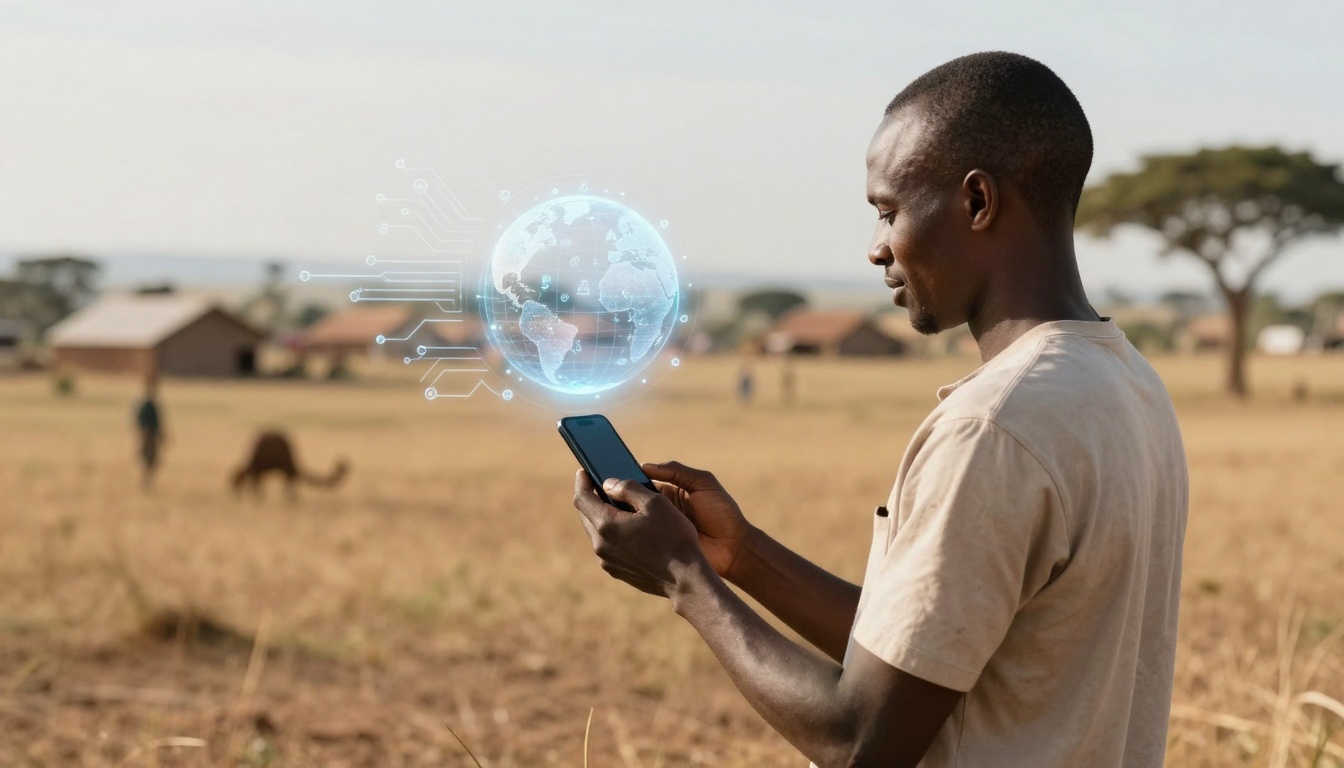
Picture a farmer in rural Kenya. He speaks Swahili fluently. He grabs his phone for weather updates via voice search. But the AI spits back odd results in broken English or ignores his query. Frustration builds. This scene plays out daily for millions. AI powers our world, yet it favours English and a handful of big languages.
Major models like GPT and Gemini claim wide multilingual support. They handle over 100 languages in speech tools such as Whisper. Still, low-resource tongues suffer from data gaps. These are languages with scant digital traces, like many in Africa or Asia. Poor performance hits translation, voice assistants, and more.
This post uncovers the gaps. It spotlights challenges and fresh initiatives. While AI tilts towards giants, real work bridges the divide. Local voices can join the revolution with targeted efforts.
Why Major Languages Dominate AI Today
AI thrives on massive datasets. English leads with billions of web pages, books, and chats. Chinese, Spanish, and Arabic follow close. These giants shape models from the start. Training data mirrors online content. Big languages flood the pool.
Take ChatGPT. It shines in English queries. Switch to Mandarin, and it holds up. But try Kazakh? Outputs wobble. Whisper transcribes 100 languages well enough for common ones. Rare dialects trip it up. Access blocks add pain. China curbs tools like ChatGPT, forcing locals to Mandarin alternatives.
Daily life feels the pinch. A Spanish speaker in Mexico gets solid news summaries. Her indigenous neighbour? Garbled text. Idioms stump AI most. “It’s raining cats and dogs” baffles non-English models. They spit literal translations. Imagine a Welsh proverb lost in code.
Data scarcity seals the deal. Low-resource languages lack text. No Wikipedia pages mean no fuel. Models guess wrong. Future updates like GPT-5 promise tweaks. Yet without fresh data, gaps persist.
Spotlight on the Top Languages
English rules 60% of training data. Mandarin packs 1.1 billion speakers. Spanish spans continents. French and Arabic round the top five. Hindi creeps in via Bollywood scripts.
Contrast Swahili. 100 million speakers, but thin online traces. Kazakh clings to Cyrillic edges. These miss model spotlights. English bias creeps in. Queries default to US views.
Where Local Languages Miss Out
Outputs flop. A Tamil doctor asks for symptoms. AI lists in Hindi mishmash. Dialects vanish. Rural Punjabi accents confuse voice tech.
Education suffers. Kids in Papua New Guinea learn via apps. Wrong grammar slows them. Health apps fail elders in Bolivia’s Quechua zones. Services stall. Public info skips nuances.
Key Hurdles Blocking Local Languages
Barriers stack high. Data droughts top the list. AI needs terabytes of text and speech. English swims in it. Luganda in Uganda? Barely a puddle.
Biases sneak from skewed sets. Models ape English norms. Fair skin filters in image AI ignore dark tones. Dialects without script standards confuse parsers.
Cultural slips hurt worst. Proverbs carry wisdom. AI mangles them. A Yoruba tale loses spirit in flat English. Kids absorb wrong lessons.
Real harm shows in schools. Indian tribal pupils quiz in Odia. Bot answers mix Hindi errors. Public services glitch. A Filipino farmer dials aid in Tagalog dialect. Line drops on accent alone.
Accents amplify fails. South African Zulu varies by region. One model fits urban. Rural speech? Noise.
Data Shortages Starve AI Learning
Vast corpora feed beasts. Billions of sentences. Africa holds 2,000 languages. Most hover under 1 million digital words. Asia mirrors it. Hindi booms; smaller tongues starve.
No books scanned. No chats logged. Speech stays oral. Farmers share lore by fire. AI hears nothing.
Biases and Cultural Blind Spots
Training tilts West. Results push English frames. Local traditions fade. Dialect chaos reigns. Scottish Gaelic splits clans. AI lumps them.
Hallucinations spike. Fake facts fill voids. A Maori query births myths.
Gains Happening: Projects Lifting Local Voices
Hope stirs in 2026. Multilingual models push bounds. OpenAI’s Whisper covers 100 tongues with tweaks. Qwen 3 from Alibaba blends Chinese roots with globals. Llama 4 looms with low-resource boosts.
Voice cloning aids dialects. Real-time subs beam talks. Open-source kits let coders adapt.
Governments step up. UNESCO backs data hunts. WEF eyes agentic AI for voices. Masakhane Hub’s funding call targets 50 African languages. Google and Gates fuel it. Kenya’s hub crafts datasets for generative AI.
Workshops buzz. LoResMT at EACL 2026 tackles translation for Turkic tongues like Kazakh. Microsoft’s LINGUA funds Europe’s undersupported speech.
Human oversight tempers haste. Locals label data. Pilots test real use.
Businesses profit. Call centres swap English for Zulu variants. Schools deploy Tamil bots.
Standout Multilingual Tools
Whisper transcribes Zulu chats. mBERT transfers Hindi tricks to Marathi. Tiny models run on phones for oral langs.
Agentic setups chain tasks in mixes. English plan, local output.
Local Success Stories
New Zealand weaves Maori into classrooms. AI tutors drill grammar. Spanish dialects adapt via fine-tunes in Latin America.
Masakhane builds African datasets. Hypertext reports on the project. Companies snag funds to join.
The Road to 2030: Can AI Catch Up?
Predictions split. Data floods could lift all. Crowdsourced audio fills gaps. Synthetic speech mimics accents.
Funding spikes help. Hubs in Nairobi and Delhi train locals. Transfer learning speeds gains.
Uneven paths loom. Rich nations prioritise. Poorer ones lag.
Key steps shine:
- Crowdsource ethically: Apps record tales with consent.
- Build hubs: Train coders in low-resource spots.
- Synthetic boosts: Generate data smartly.
By 2030, 80% coverage? Possible with will. World Economic Forum urges diverse AI agents.
Action calls. Developers, grab open calls.
Conclusion
AI bows to big languages now. Gaps hobble daily tools and cultures. Yet 2026 sparks change. Masakhane datasets, LoResMT workshops, and transfer tech light paths.
Back these projects. Use local-first apps. Share your tongue’s story.
Imagine farmers querying fluently. Elders passing lore via bots. Inclusive AI preserves tongues. At CurratedBrief, we track such shifts. What’s your local language tale?
(Word count: 1,482)