
Listen to this post: Sanctions vs Civilians: Who Bears the Real Cost?
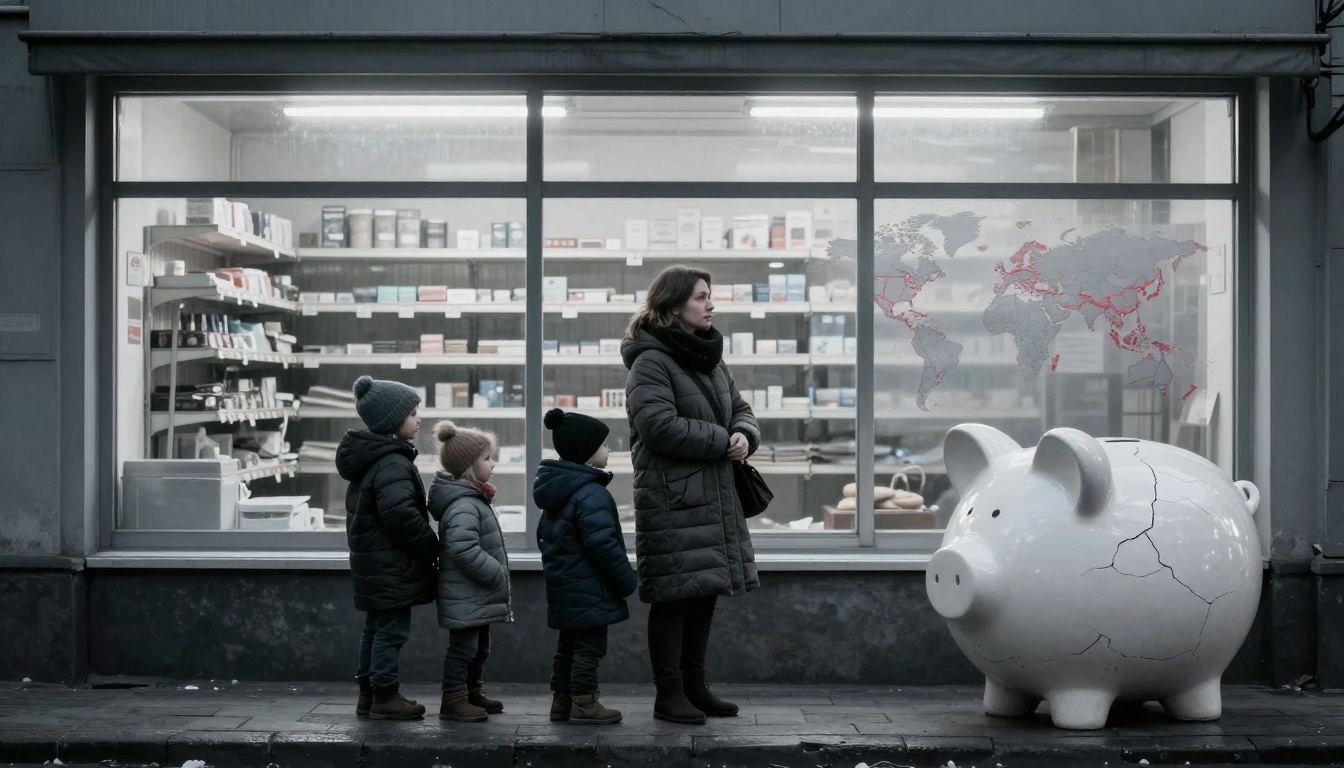
Picture a mother in Moscow. She queues for hours outside a shop. Bread prices have doubled again. Her children tug at her coat, hungry and cold. This scene plays out daily since Western nations piled on sanctions after Russia’s moves in Ukraine. Sanctions act as economic blocks. They ban trade, freeze assets, and cut off finance links. Leaders aim them at governments to force change. Yet ordinary people feel the sharpest sting. Do these measures bend rulers or just break families?
Studies show sanctions rarely topple regimes. A Center for Economic and Policy Research report details how they spike child death rates by up to 64% in poor spots. Leaders often dodge the pain through smuggling or allies. Civilians face empty shelves and job loss. This post breaks it down. We cover how sanctions work and falter. History offers grim lessons from Iraq to North Korea. Russia’s fresh struggles prove the point. Then we eye smarter ways ahead.
How Sanctions Work and Why They Miss Their Mark
Sanctions come in layers. Nations slap them on to curb bad acts like invasions or rights abuses. Broad ones blanket a whole country. They choke trade in food, drugs, and fuel. Targeted ones zero in on elites. Think frozen bank accounts or travel bans for officials. Goals sound clear: weaken foes, push policy shifts, or spark regime falls. Success stays rare. Only 13% fully hit marks since 1914, per research. The economic impact of sanctions on conflicts can be profound, often exacerbating humanitarian crises and leading to unintended consequences. As local economies crumble under pressure, the populations most affected are typically the most vulnerable, further complicating the situation. Moreover, the long-term effects can destabilize regions, creating fertile ground for further conflict and unrest.
Empty shops spread fast. Prices climb as imports dry up. Banks grow wary. They shun all deals linked to the nation, even clean ones. Russia’s case stacks up over 30,000 sanctions by early 2026. Oil sales tanked. Daily folk pay more for basics. Governments reroute cash to arms, not welfare. The squeeze builds quiet anger at home, not abroad.
| Type of Sanction | Main Targets | Common Fallout for Civilians |
|---|---|---|
| Broad | Entire economy | Food shortages, medicine gaps, inflation spikes |
| Targeted | Leaders, firms | Bank caution hits small businesses, job cuts |
| Sectoral | Oil, tech | Higher energy bills, gadget price jumps |
These tools promise pressure without war. Reality bites harder for the vulnerable.
Broad vs Targeted: Which Punches Harder at Home?
Broad sanctions crush wide. In 1990s Iraq, they blocked imports. Kids died from treatable ills. No antibiotics reached hospitals. Cuba’s long US embargo starves health supplies. Poor families skip meals. Targeted efforts fare better but still sting. West Bank freezes hit settler banks. Locals lose savings too.
Broad ones wreck food chains most. A Chatham House analysis notes they lift death risks 29% for children. Targeted ones spare masses but spark caution. Banks freeze extra accounts to stay safe. Either way, homes hurt first.
 Photo by Germar Derron
History Shows Civilians Foot the Bill
Past cases paint a stark picture. Sanctions aim high but land low. Families ration rice. Kids drop out of school for work. Leaders feast on smuggled luxuries. Iraq’s 1990s blockade starved half a million children, UN data says. Saddam built palaces amid the woe. Cuba endures 65 years of US curbs. Daily calories dip below needs. Progress stalls for the poor.
Venezuela’s woes deepened post-2017. Oil bans sparked hyperinflation. Bread vanished from shelves. North Korea’s trade walls breed famine. Kim’s table groans while markets sell twigs as food. Studies peg kid death jumps at 29-64%. Poor nations crack first. Weak grids mean no backups. Rulers blame foes. Crowds rally closer, not against them.
Pain echoes across borders. Sanctions twist economies. They hike child poverty 20% in hit spots. Leaders adapt. Elites shift cash overseas. Ordinary hands grasp air.
Iraq and Cuba: Stories of Needless Suffering
Iraq post-Gulf War faced UN broad sanctions. Medicine imports halted. Diarrhoea killed thousands of tots. UNICEF tallied 500,000 extra child deaths by 1999. Saddam sold oil on black markets. He stayed firm.
Cuba feels the US embargo since 1960. Spare parts lack for clinics. Cancer drugs run short. Families brew home remedies. Life expectancy lags. Havana points fingers outward. Power holds.
Venezuela and North Korea: Echoes of the Same Pain
Venezuela hit 2017 sanctions. Inflation soared to millions percent. Markets emptied. Maduro clung on via allies. Hunger maps showed kids malnourished.
North Korea starves under decades of blocks. No fuel means no farm tractors. Kim smuggles yachts. Civilians eat bark. Reports count famine deaths in hundreds of thousands.
Russia’s Current Battle: Fresh Proof of the Pattern
Fast forward to 2026. Over 30,000 Western sanctions grip Russia. Oil caps and EU bans slash revenues. Plans for 10.9 trillion rubles in 2025 oil cash fell to 8.7 trillion. Growth stalls. Stagnation looms through the year. Real-time data shows budget gaps force tax hikes on phones, laptops, even basics. The ongoing sanction impacts on global energy markets mean that Russia struggles to find alternative buyers for its oil, further exacerbating the economic downturn. As the country becomes increasingly isolated, the volatility in energy prices sends ripples through allied economies, leading to a broader reassessment of energy strategies worldwide. In this charged environment, nations are compelled to adjust their energy policies to mitigate the far-reaching consequences of prolonged sanctions.
Central bank rates hit 21% to fight inflation. Goods cost double or more. Firms face “spider effects.” Partners get wary, pull back. Jobs strain as war draws workers. No big layoff waves yet, but sectors like tech and energy creak. Moscow claims Europe’s top economy. Independent eyes see squeeze.
Iran and China help. Tehran pays billions in evasion costs. Beijing shields firms. Still, shelves thin. Parallel imports patch holes till 2026 rules end.
A GAO report flags poor tracking. Sanctions slow Russia six points below path. War funds eat welfare.
Daily Life Grinds to a Halt for Ordinary Russians
Imagine no cash abroad. Cards fail in Turkey. Prices double for milk, meat. Skilled coders flee. Gaps hit shops, clinics. Families skip dinners. Workers eye army pay over empty desks. Leaders pivot to Asia trade. Civilians queue longer.
Better Paths Forward: Alternatives That Spare the Innocent
Civilians hurt most because banks overreact. They freeze wide to dodge fines. Fragile economies fold fast. Aid gets tangled too. A CEPR study on human costs urges tweaks.
Target tight: seize elite yachts, bar leader kids from schools. Add rights monitors. Blend with talks. Multilateral packs punch. Short aims like ceasefire work over topples. UK Parliament notes third-country curbs aid focus (see their briefing).
Hope lies in precision. Spare the queueing mother. Pressure builds without ruin.
Sanctions promise clean pressure. They deliver widespread ache. History from Iraq to Russia shows civilians pay: hunger swells, jobs fade, kids suffer. Leaders shrug, adapt, endure. Broad blasts miss. Smarter tools target true culprits.
Rethink the default. Push for pinpoint strikes and diplomacy mixes. Next time news flares on geopolitics, ask who queues longest. CurratedBrief tracks these shifts with clear briefs on global moves. Stay sharp. What change would you back? Share below. Thanks for reading.