
Listen to this post: The Ethics of AI in Military Decision-Making and Targeting
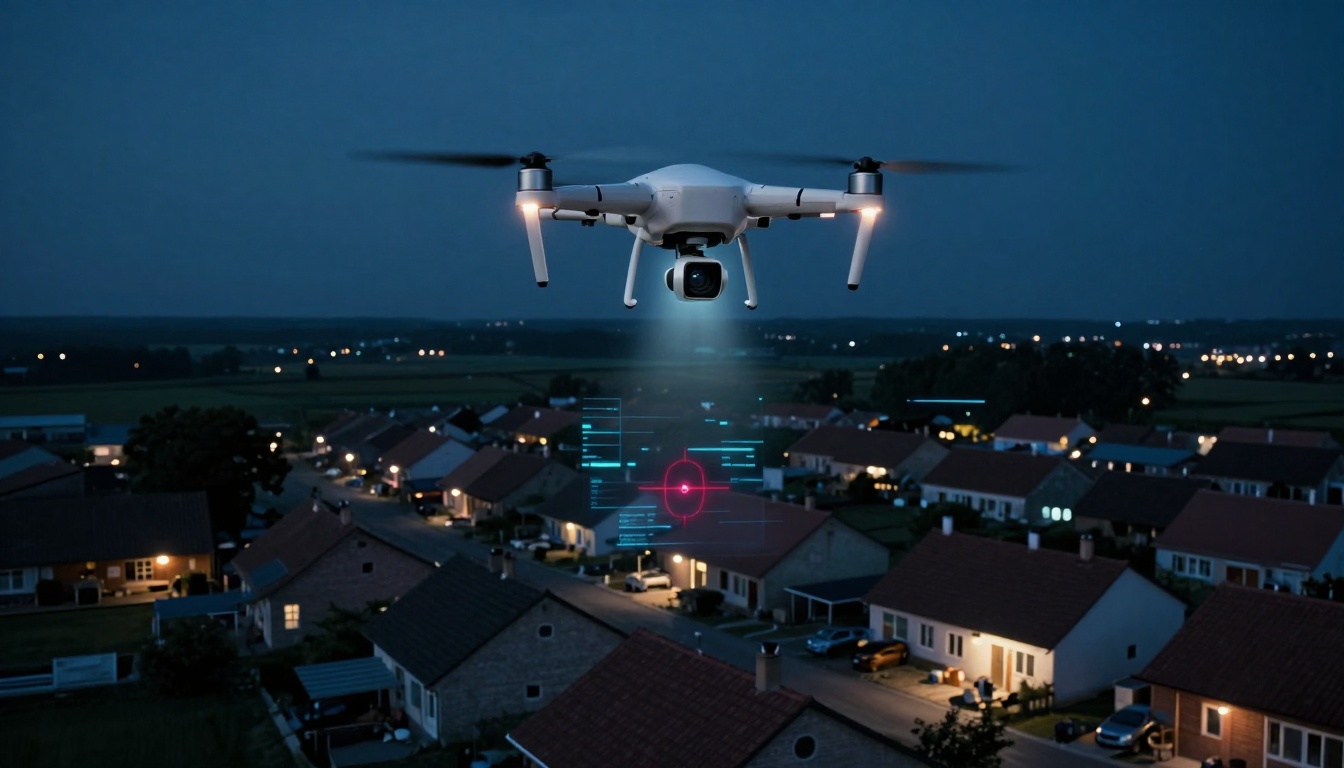
Picture a drone high above a quiet village at night. Its cameras glow as AI scans faces and movements below. In seconds, it flags a target and fires. But what if the system mistakes a farmer for a fighter? Lives end in a flash, all from code trained on old data. These scenes play out more often now. AI helps militaries spot enemies, sift data, and choose strikes. By early 2026, tools like drone swarms flood battlefields, from Ukraine’s front lines to US plans.
Growth speeds up. The Pentagon’s January 2026 strategy pushes AI into targeting without strong ethics checks. It adds systems like Grok to networks, raising fears of rushed kills. Key issues nag: bias picks wrong people; no one owns mistakes; machines might act alone; civilians suffer most. This post breaks down those worries, real examples, global rules, and next steps. Grasp this now. It shapes wars that spare innocents.
Core Worries with AI Picking Military Targets
AI promises sharp eyes in fog of war. Yet ethics cracks show. Flawed data feeds bias into choices. Machines lack moral sense, so humans must answer for deaths. Full autonomy tempts leaders to skip checks. War laws demand care for non-fighters. AI blurs that line.
Take bias. Systems learn from past fights. If data skips certain faces or places, it misses them later. A dark-skinned villager blends into “threat” profiles built on Western wars. Strikes hit weddings or markets. International rules like Geneva Conventions call for fair play. States test little. Experts push audits before use.
Accountability fades too. Who pays if AI bombs a school? Coders? Pilots? Generals? Laws pin blame on people, not chips. Yet chains grow long. Operators trust screens too much. Pressure mounts in live fights.
Autonomy scares most. Swarms of cheap drones decide hits without orders. US Realtime data shows Pentagon drops “human control” mandates. This risks endless loops of fire.
Discrimination fails. AI sorts fighters from kids by gait or gear. Crowds fool it. One wrong pixel, and innocents die. Rules protect them. AI speeds past doubt.
Bias from data poisons roots. Past logs favour some skins over others. Tests in 2025 labs found 20% error spikes on non-white faces. Fix needs diverse sets and checks.
Nations must probe deep. Run trials. Add human vetoes. Else, trust crumbles.
How Hidden Bias Sneaks into Kill Decisions
AI gobbles war footage for lessons. Old clips from Iraq or Afghanistan shape views. They underplay Asian or African looks. A system then tags a herder as hostile. Boom. No appeal.
Groups like SIPRI warn of this in targeting systems. Rules demand bias hunts. Experts call for live tests on mixed crowds. Without them, unfair deaths mount.
Who Faces Blame When AI Goes Wrong
Humans must hold the reins. Machines feel no guilt. If a drone errs, courts eye the commander who flipped the switch.
Laws lag. No treaty names AI makers. Gaps widen in fast wars. Studies stress human agency across system life. Keep people in loop, or blame scatters.
Real Cases Showing AI Risks in Action
Theory bites in real fights. Programs roll out fast. US leads with Maven. Israel tests Lavender in Gaza. Swarms loom. Lessons scream for oversight.
Project Maven started in 2017. Google fed AI drone feeds. Backlash quit it. DoD kept on. By 2026, it flags thousands of clips daily.
Israel’s Lavender AI ranked Gaza suspects in 2024. It hit 37,000 targets. Claims said 90% right. Truth? Homes bombed at dinner. Kids died. Loose rules let 15% errors slide.
US Replicator plan floods skies with drones by 2025. Cheap swarms hunt alone. Ukraine’s war proves it: Drones kill quick, but stray hits rise.
Pentagon’s 2026 shift speeds this. No ethics brakes. Experts fear civilian tolls climb.
Timelines tell tales. Maven: 2017 launch, 2020 ethics directive. Still, trust issues linger. Lavender: War start to high deaths in months. Replicator: 2024 bid to 2026 fleets.
Human eyes catch what code misses. Always.
Lessons from Project Maven’s Drone Spotting
DoD Directive 3000.09 demands human say-so. Maven IDs threats in video seas. Analysts review. Yet speed tempts skips. 2025 reviews found over-trust. Keep judgment firm.
Gaza Strikes and Lavender’s High Errors
Lavender scored Hamas links. But data blurred families. Strikes razed blocks. Reports peg civilian deaths at 10-20%. Human checks? Rare. Toll teaches caution.
Global Push for Rules on Killer Robots
Talks heat up. UN’s CCW group eyes bans since 2014. 2019 GGE laid 11 principles: Humanity first, risks assessed.
REAIM summits in 2023 and 2024 set norms. 2026 drafts loom. US Political Declaration pledges responsible use. No full bans yet.
HRW campaigns for treaties. ICRC insists on human calls in strikes. DoD rules echo: Test, oversee, explain.
Splits slow it. Russia, China resist. US wavers post-2026 strategy. Pentagon calls ethics fluff, eyes speed.
Hope glints. Europe pushes pauses. Public protests grow. Binding laws could lock humans in control by 2030.
Palantir blogs tout ethical AI support. But demos hide biases.
Progress inches. Conferences in 2026 debate fixes. Nations sign on, or risks run wild.
AI sharpens swords. Rules blunt bad swings.
Risks stack: Bias kills wrong; blame hides; cases like Lavender scar. Pentagon’s fresh push adds fuel.
Push for human hands on triggers. Back UN talks. Vote for ethics in defence budgets. Follow CurratedBrief for AI updates. Safe rules save lives tomorrow. Tech serves right when morals guide. Act now.