
Listen to this post: Urban Warfare and Siege Tactics: Why Cities Pay the Highest Price
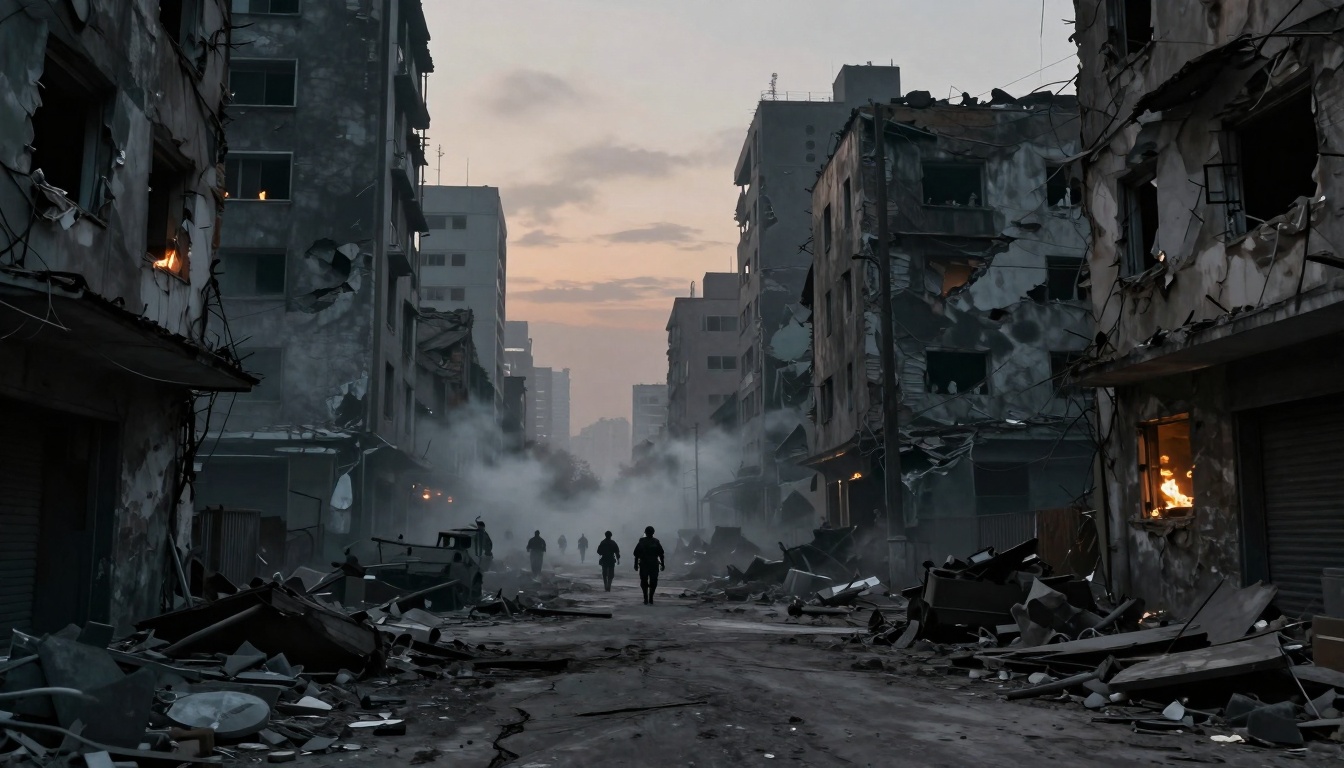
Smoke chokes the sky over Bakhmut. Shattered buildings loom like broken teeth. Families huddle in damp basements as shells whistle overhead. In Gaza, blasts rip through dense streets packed with homes. These scenes show urban warfare at its worst. Cities suffer more than open fields or hills. Narrow alleys give defenders cover. Attackers must smash structures to advance. Civilians get caught in the crossfire. Rebuilding drains billions and leaves scars for generations.
Why do cities pay this price? Tight spaces favour those who know every corner. Sieges cut food and water. Fighters hide among people. Bombs level blocks to flush them out. This post looks at history’s harsh lessons, today’s grim fights in Ukraine and Gaza, tactics that make streets deadly, and future shifts. You’ll see patterns that repeat. Cities crumble under the weight.
Lessons from History: Sieges That Shattered Cities
Past battles reveal grim truths. Cities turn into meat grinders. Defenders dig in. Attackers pay in blood and rubble.
Stalingrad’s House-to-House Horror
Winter gripped Stalingrad in 1942. Germans pushed into the city. Soviets fought back block by block. They punched mouseholes through walls to move unseen. Snipers perched in bombed-out flats. Cold killed as fast as bullets. Over one million died. The city lay flat, 90 per cent destroyed.
Soviets rebuilt fast for factories. Yet trauma stuck. Veterans carried ghosts of the ruins.
Sarajevo’s Years of Hunger and Shells
Serbs ringed Sarajevo in 1992. They shelled from hills. Supplies stopped. People queued for water under fire. Kids died from snipers on “Sniper Alley”. Eleven thousand civilians perished. Sixty-five per cent of buildings crumbled.
Rebuild came with aid. Corruption slowed it. Cultural sites vanished. Unemployment soared. PTSD haunted survivors.
Mosul’s Battle Against ISIS Traps
Iraqi forces hit Mosul in 2016. ISIS booby-trapped homes. Airstrikes pounded the Old City. Ten thousand civilians died. Eighty per cent of it wrecked. Unexploded bombs litter the ground.
Rebuild stalls. Radical views linger. For lessons on the battle for Mosul, see this analysis.
Today’s Urban Nightmares in Ukraine and Gaza
Modern wars echo the past. Russia hammers Ukrainian cities. Hamas digs under Gaza. Drones and missiles add terror. As of January 2026, Russian strikes hit Kyiv, Odesa, and Kharkiv. Power plants burn. Families seal windows with toys against the cold.

Photo by Алесь Усцінаў
Ukraine’s Grinding City Sieges
Bakhmut became a black hole in 2023. Wagner groups charged meat-wave assaults. Russians blockaded Mariupol for months. Artillery turned it to pulp. Tunnels let ambushes spring. Kharkiv faced endless drones.
Civilians trapped inside. Tens of thousands died. Infrastructure gone: no power, water, or heat. UN seeks billions for aid. Frontlines near Pokrovsk grind on like Bakhmut. Check urban operations in Ukraine for force ratios.
In Donetsk, shells fall daily. People flee or hide. Sieges starve all. Damage hits tens of billions.
Gaza’s Tunnel and Rooftop Fights
Gaza packs 700,000 into 52 square kilometres. Hamas uses tunnels and booby-trapped homes. Israel bombs from air and ground. Rooftop snipers pick targets. Drones hunt in alleys.
Ceasefire holds thin. Kids die in strikes. Winter tents collapse. Over 100 children gone since October. Power plants idle. Hunger bites deep. For ways to protect cities in Gaza and Mariupol, read this piece.
Rubble buries streets. No safe corner. Blurred lines between fighters and families raise the toll.
Tactics That Turn Streets into Kill Zones
Defenders hold the edge in cities. They build barricades from cars and debris. Mouseholes link rooms. Hit-and-run teams dash out. Strongpoints in high-rises command streets.
Attackers need three to five times more troops. Open ground exposes them. They call airstrikes to clear hides. This wrecks power grids and sewers. Sieges cut roads. Starvation hits everyone.
Picture it: soldiers crawl along walls. Snipers fire from basements. Drones buzz overhead, dropping grenades. No flank space. Every corner kills.
Fights drag months. Costs soar. No winners, just ruins. See the eight rules of urban warfare for why change matters.
Future City Wars and Ways to Spare Lives
By 2026, drones swarm like bees. Loitering munitions wait to strike. Precision bombs aim tight. Yet hidden foes challenge attackers. Defenders spread thin over vast blocks.
Sudan shows the pain. RSF took El Fasher. Drones kill in Sinja. Famine grips 21 million.
NATO plans for more city fights. Mitigation starts with smart weapons. Train on human targets. Follow laws to spare civilians.
Better tech cuts the grind. Robots clear tunnels. Sensors spot traps. Hope lies in tools that hit less wide.
Cities pay highest from traps and bombs. Defenders blend in. Attackers level all. People suffer most.
Push for precision aid. Back war rules. Smarter plans save lives.
Imagine a rebuilt Bakhmut. Streets bustle again. Kids play safe. Tech and will make it real. What price will next cities pay?
(Word count: 1492)