

Listen to this post: Europe in 2026: Security Fears, Far-Right Pressure and an Ageing Population
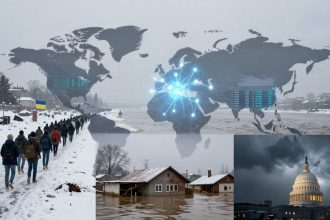
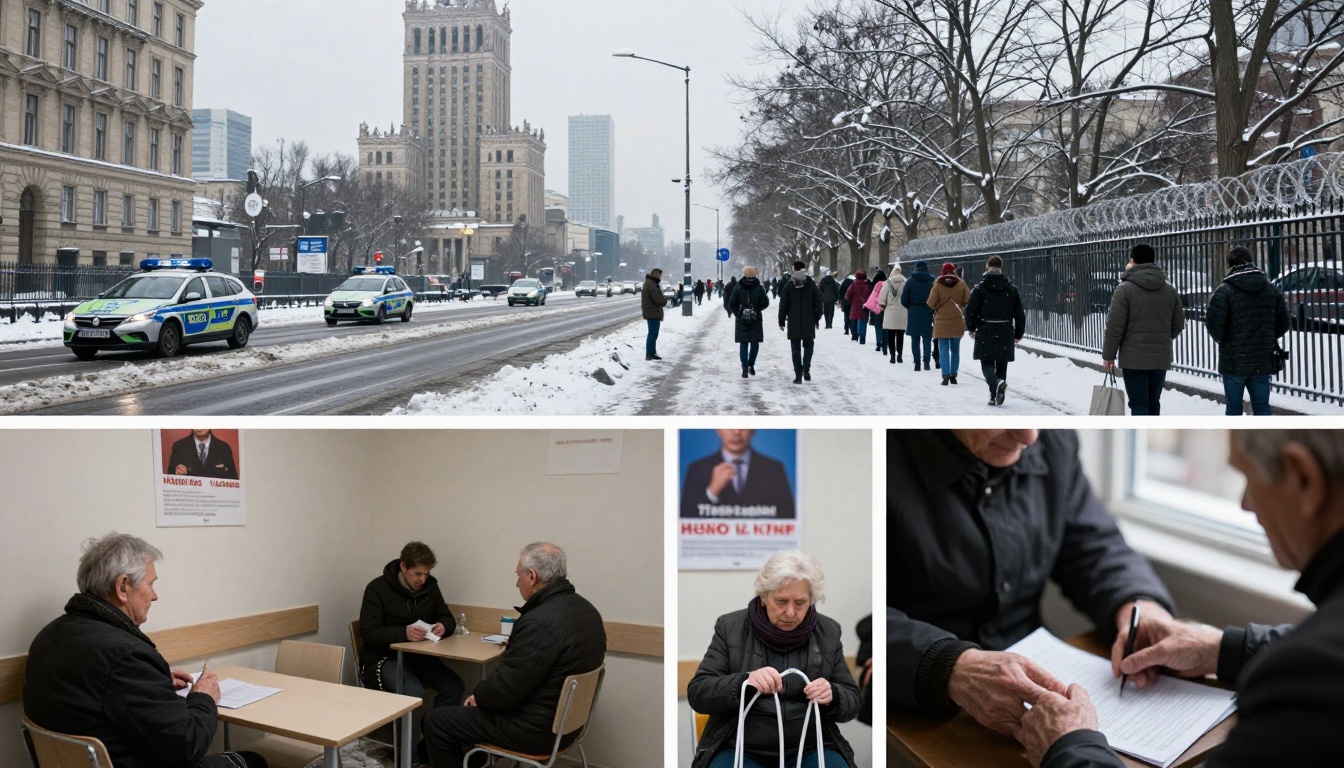
Picture Berlin’s streets in January 2026. Snow falls on patrol cars near the Russian embassy, while families in Warsaw queue for coal amid power fears. In Paris, election posters shout about closed borders, and Italy’s care homes buzz with staff shortages. Europe feels the weight of security fears, far-right surges, and an ageing population all at once.
These issues hit close to home. Parents worry about school safety from cyber threats. Workers face higher taxes to fund pensions and arms. Voters back tough talk on migrants amid job squeezes. The Russia-Ukraine war drags on, hybrid attacks test nerves, and populist parties promise quick fixes. An older Europe strains budgets and sparks backlash.
This post breaks it down. We look at security woes from wars and hacks, far-right gains reshaping votes, and demographic shifts squeezing futures. These forces test Europe’s bonds, but they also push for change.
Why Security Fears Dominate Europe’s Agenda
Leaders in Brussels meet under dim lights, maps of Ukraine spread out. Russia’s war grinds forward, cyber strikes black out grids, and boats cross from Africa. In 2026, these threats top every agenda. NATO calls Russia the main danger, with hybrid tricks like sabotage eroding trust.
The war slowed in late 2025 due to winter, but Russian forces took 73 square kilometres by mid-January. Missiles hit Kherson, killing civilians. Without full US backing, Europe arms Ukraine alone. Poland and the Baltics brace for spillover; energy cuts bite hard. Experts warn of worse by 2030 if Trump pulls NATO funds. For a sense of the stakes, check Europe’s year of existential risk.
France and Germany boost defence spending. The UK sends more aid despite budget woes. Nordics spot drones over borders. Border patrols in Poland scan for spies. Recent escalations include Russia rejecting ceasefires, eyes on 2026 elections.
Hybrid threats mix old and new. Fires erupt at German arms plants. Arson hits UK warehouses for Ukraine gear. Drones buzz Polish fields. Russia recruits online agents for small hits, stirring hate against Ukrainians. NATO’s Rutte says probes continue.
Cyber attacks ramp up too. In January, hackers slammed Poland’s power plants, almost causing blackouts. France, Denmark, Sweden, Germany, and Switzerland faced hits from groups like NoName057(16). A German report flags Russia prepping for bigger clashes. Banks and grids stay alert, AI tools speeding assaults.
Migration adds fuel. Boats from Libya and Syria arrive amid war chaos. Terrorism lingers from past flows. These strains link to daily life: longer airport queues, higher bills, tense streets.
The Endless Russia-Ukraine War and Hybrid Tactics
Russia’s invasion forces Europe to stockpile shells without US help. Poland fears tanks rolling west; Baltics drill civilians. Energy prices spike as pipelines stay shaky. Political whispers from Moscow sway votes.
No end in sight. NATO cracks show as members argue aid shares. Folks in Eastern towns feel under siege, sandbags by doors. Sabotage spikes: factories burn in Romania, airports shut in Copenhagen.
Cyber Attacks and Migration Adding to the Strain
AI aids hackers from Russia and China. Interpol flags grid hits; Poland’s near-miss proves the risk. Banks lock apps after probes.
Boat crossings clash with checks. Refugees carry terror wildcards, fuelling right-wing cries. Protests block ports in Italy, linking flows to bombs.
Far-Right Parties Gaining Ground and Shifting Policies
Election nights buzz in Vienna. Cheers rise as Freedom Party tops 2025 votes. In Germany, AfD polls lead for state races. France’s National Rally hits 42% support on migrant curbs. Italy’s Brothers hold power, pushing deportations.
Far-right groups claim 26% of EU Parliament seats. They force centre parties to copy: tighter borders, less Ukraine cash, EU doubts. Polls predict 2026 wins in Hungary and beyond. Pro-Russia voices grow, splitting aid votes. See how weak governments risk paralysis in Germany, France, and the UK analysis.
Voters shift, even left-leaners blame migrants for jobs. Protests fill squares; posters vow priority for locals. Economy woes pin on Brussels, not bosses.
Policies harden. Deportations rise in Denmark. Welfare skips newcomers in Netherlands. Ukraine aid dips as budgets tightens. Centre-right adopts the tone, a slow merge of ideas.
Key Wins and Polls in Austria, Germany, France
Austria’s Freedom Party won big in 2025, leading coalition talks. Germany’s AfD tops eastern state polls, drawing workers hit by costs. France’s Le Pen eyes presidency; Bardella polls high with youth on security.
Voters flip on benefits squeezed by arrivals. Even greens lose ground to migrant fears.
How Tough Stances on Borders Reshape Europe
No handouts for new arrivals. Locals get job first dibs. EU migration pacts slow as states push back.
Security ties in: patrols double, terror checks tighten. Unity frays, but borders firm up.
An Ageing Population Puts Pressure on Europe’s Future
Empty playgrounds dot Germany. Italy’s over-65s outnumber kids; France chases the trend. EU fertility sits at 1.5, workers shrink fast. By 2050, projections show pension gaps yawning wide.
Fewer young pay for more old. Growth slows to 1%. Taxes climb; healthcare queues grow. Migrants fill factories, but far-right blocks them. Defence budgets pinch as care eats cash.
UK raises retirement to 68. Germany tests robot carers. Busy homes in Spain hum with understaffed shifts. Link to security: less tax for tanks, votes for isolation.
For EU make-or-break factors, including demographics, read what will make or break the EU in 2026.
Workforce Shrinkage and Money Worries
Young workers drop 20% by 2040. Tax pots empty for pensions; young pay double. Defence skips as health bills soar.
Italy’s factories idle; France’s farms beg hands.
Steps Governments Take to Cope
Baby bonuses in Hungary top euros per child. Pensions push to 70 in Sweden. Visas target skilled migrants, eyeing security.
Tech rolls in: AI nurses, remote docs ease loads.
Europe’s three woes feed loops in 2026. Security drains cash needed for old folks. Far-right taps anger over strains. Ageing weakens armies, boosts isolation calls. Splits loom in weak cabinets, from Berlin to Paris.
Yet history shows grit. Post-war booms came from bold steps. EU defence funds rise; birth plans spread. Watch polls and borders close.
Stay sharp on these shifts. Sign up for CurratedBrief newsletters to track politics and global news. Europe adapts, as always. What change do you see next?