


Listen to this post: The Future of Passwords: Passkeys, Biometrics, and Beyond
Imagine it’s early 2026. Hackers breach a major cloud service. They grab 184 million plain-text passwords from sites tied to Apple and Google. Users scramble as accounts fall one by one. You check your own list: over 250 passwords to juggle. People reuse them across banks, emails, shops. No wonder 81% of hacks start with stolen credentials. History shows 24 billion passwords leaked so far. Attacks hit every 39 seconds.
Passwords tire everyone out. Weak ones like “123456” top lists for millions. Fatigue sets in from constant resets. Relief waits ahead. Passkeys offer digital keys tied to your device. Biometrics use your face or finger. Future tech promises logins without effort. These fixes keep data safe. They cut hassle too. Picture tapping your phone to enter anywhere. No typing. No worries.
The Alarming Reasons Passwords Are Failing Us Now
Passwords crack under today’s attacks. In 2026, 49% of breaches stem from weak or stolen ones. Stolen credentials cause 22% of problems. Back in 2024, hackers exposed 3.1 billion. Each breach costs firms $4.44 million on average.
People pick easy choices. “123456” protects millions of accounts. Over 84% reuse passwords on multiple sites. AI tools guess short ones in seconds. Users manage hundreds, so corners get cut. This sparks 193 billion stuffing attacks each year. Hackers test leaked combos everywhere.
Take the RockYou2024 dump. It spilled billions more. Everyday folk suffer most. Banks lock accounts. Shops lose sales. Firms pay ransoms.
| Password Weakness | Impact |
|---|---|
| Weak choices (e.g., “password”) | Used by 65-67% of Americans; easy to guess |
| Reuse across sites | 84% do it; one leak hits many accounts |
| No updates | AI cracks in moments; breaches rise yearly |
Stats paint a grim picture. Two in three use guessable patterns like birthdates or pet names. Most feel safe anyway. But reality bites. 70+ password statistics for 2026 show the scale. Time to ditch this old guard.
Passkeys: Your Device’s Secret Key to Effortless Logins
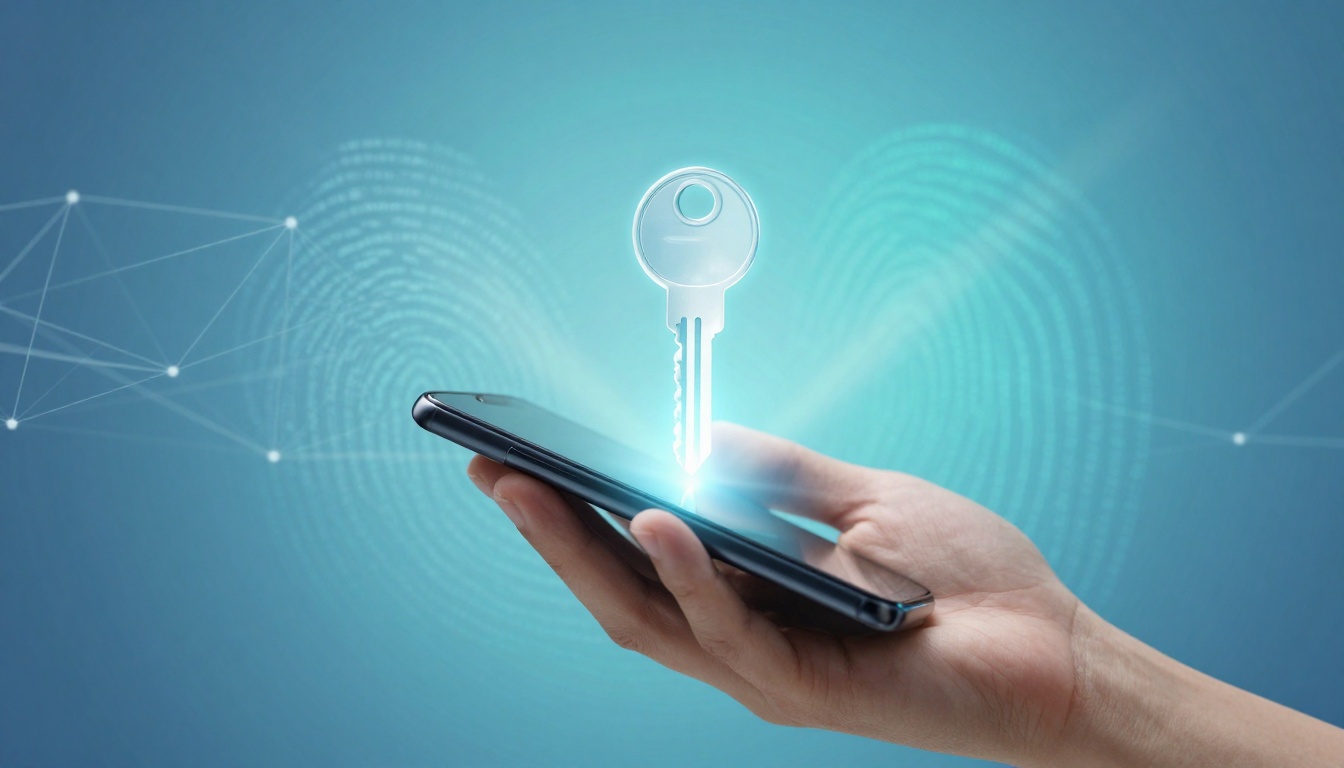
Passkeys swap passwords for smart digital keys. They live on your phone or laptop. Unlock with a fingerprint, face scan, or PIN. No secrets leave your device. Think of it as a lock only your key fits. No one can copy it.
Inside, public-private key pairs do the work. Your device makes them. The private key stays put. It signs login challenges to prove it’s you. Servers check without seeing the key. Phishing fails. Sites can’t trick you into sharing.
Advantages stack up high. Passkeys resist theft. No typing means no keyloggers. They’re unique per site. Sync keeps them handy across gadgets.
| Feature | Passwords | Passkeys |
|---|---|---|
| Phishing risk | High | None |
| Stealable? | Yes | No |
| Guessable? | Yes | No |
| Login speed | Slow | Instant |
| Success rate | 63% | 93% |
Google saw 352% more use after making them default in 2023. Microsoft hit 120% growth in 2025. Apple, Amazon, PayPal join in. Amazon handles 40% of logins this way. Enterprises reach 85% adoption. Over 87% of big firms push ahead. FIDO standards make it universal.
Picture a busy morning. Touch your screen. Bank opens. Email loads. Work dashboard appears. No fumbling. Just go.
How Passkeys Work Without the Password Pain
Your device creates the key pair on first sign-up. Public goes to the site. Private hides safe.
To log in, the site sends a challenge. Device signs it with the private key. Biometrics or PIN unlocks the process. Cloud or Bluetooth syncs to other devices.
No typing on fake pages. Unlike passwords, which spill to phishers. It’s like a hotel keycard. Works only at your door. FIDO from Apple, Google, Microsoft ensures cross-app magic.
Big Tech’s Fast Push to Make Passkeys Standard
Google leads since late 2023. All new accounts get them. Microsoft rolled out in May 2025. Apple syncs flawlessly across iCloud.
E-commerce jumps in. Amazon and eBay cut logins by half. HubSpot sees 4x faster access. PayPal speeds fintech. Developers add support in weeks.
Billions ditch passwords now. 2026 IAM trends on passwordless highlight the rush. Users store 1.3 million monthly. When prompted, 40% save one.
Biometrics: Turning Your Face or Finger into a Secure Pass
Biometrics turn your body into the key. No codes to forget. Facial scans lead at 45% use. Fingerprints hit 60%. Iris scans offer top security.
AI boosts accuracy to 99.7%. Liveness checks spot fakes. Multi-trait mixes drop spoofs by 72%. Data stays on-device mostly. Phones pack 82% of users.
Drawbacks exist. Deepfakes fool some faces. Dirt smudges prints. Lighting trips scans. Privacy worries linger. But local storage helps.
Market hits $103 billion. Behavioural biometrics rise too. They watch typing or swipes. Passkeys pair perfect with them.
Real cases show wins. Airports clear crowds. Banks cut fraud. Spoofs like masks fail against modern checks.

Photo by cottonbro studio
Facial Recognition, Fingerprints, and Iris: Which Wins?
Facial works fast. No touch needed. But deepfakes pose risks.
Fingerprints shine reliable. Cheap to add. A dirty finger might fail though.
Iris leads secure. Error rate at 0.01%. Needs close range.
Multi-modal wins big. Phones blend them. Banks use face plus print. Airports mix iris and gait.
| Type | Pros | Cons |
|---|---|---|
| Facial | Quick, contactless | Deepfake threats |
| Fingerprint | Cheap, common | Dirt or wear issues |
| Iris | Ultra-precise | Proximity required |
Each fits spots. Combo rules.
Tomorrow’s Logins: Smarter Checks Without Lifting a Finger
Logins go invisible soon. Behavioural biometrics track mouse moves, typing rhythm. They auth constantly. No pauses.
Zero-knowledge proofs let you prove facts without sharing. Like showing age without ID details.
Quantum-resistant crypto guards keys. Devices build trust scores. AI weighs risks live. High risk? Extra check. Low? Slide in.
Unified IDs span services. One sign-on everywhere. Orgs chase speed and safety. Passwords fade fast.
Picture a day ahead. Phone senses your grip. App opens. Laptop notes your walk. Work flows. No stops. Passwordless readiness in 2026 maps the path. Excitement builds as breaches drop.
Smooth Logins Await: Ditch Passwords Today
Passwords fail amid mega-breaches and reuse woes. Passkeys bring phishing-proof ease with 93% success. Biometrics add body-based security at 99.7% accuracy. Future blends behaviour, AI, and quantum shields for constant checks.
Enable passkeys on your Google or Apple account now. Turn on biometrics. Firms hit 87% adoption; join them.
Safer days loom. What holds you back? Share in comments. Check your settings today. Relief starts with one tap.
(Word count: 1492)