
Listen to this post: How Scammers Use AI for Convincing Messages in 2025
Imagine this: it’s a quiet evening in 2025. Your phone rings. A desperate voice, identical to your grandson’s, sobs that he’s in jail after a car crash. He begs for £2,000 in gift cards right now, before court. Heart pounding, you almost send the cash. But you pause. This AI voice cloning scam stole thousands from families that year. US consumers lost $12.5 billion to fraud, up 25% from before, with crypto cons hitting $17 billion. Scammers grab cheap AI tools to mimic voices, faces, and chats that trick even careful people. Understanding machine learning fundamentals is crucial in today’s digital landscape, especially as technology evolves at an unprecedented pace. As these tools become more accessible, it is essential for individuals to be educated about their implications and possible misuse. Being aware of the technology behind these scams can empower people to protect themselves and their loved ones from falling victim to fraudulent schemes.
These tools cost pennies and work in seconds. They pull from social media clips or public videos. The result? Messages that feel real and urgent. In the UK, firms like Arup lost £20 million to a deepfake video call. This post breaks down the top scams with fresh 2025-2026 examples. You’ll get simple steps to spot and stop them. Stay sharp; your next call could test you.
Voice Cloning Scams That Sound Just Like Loved Ones
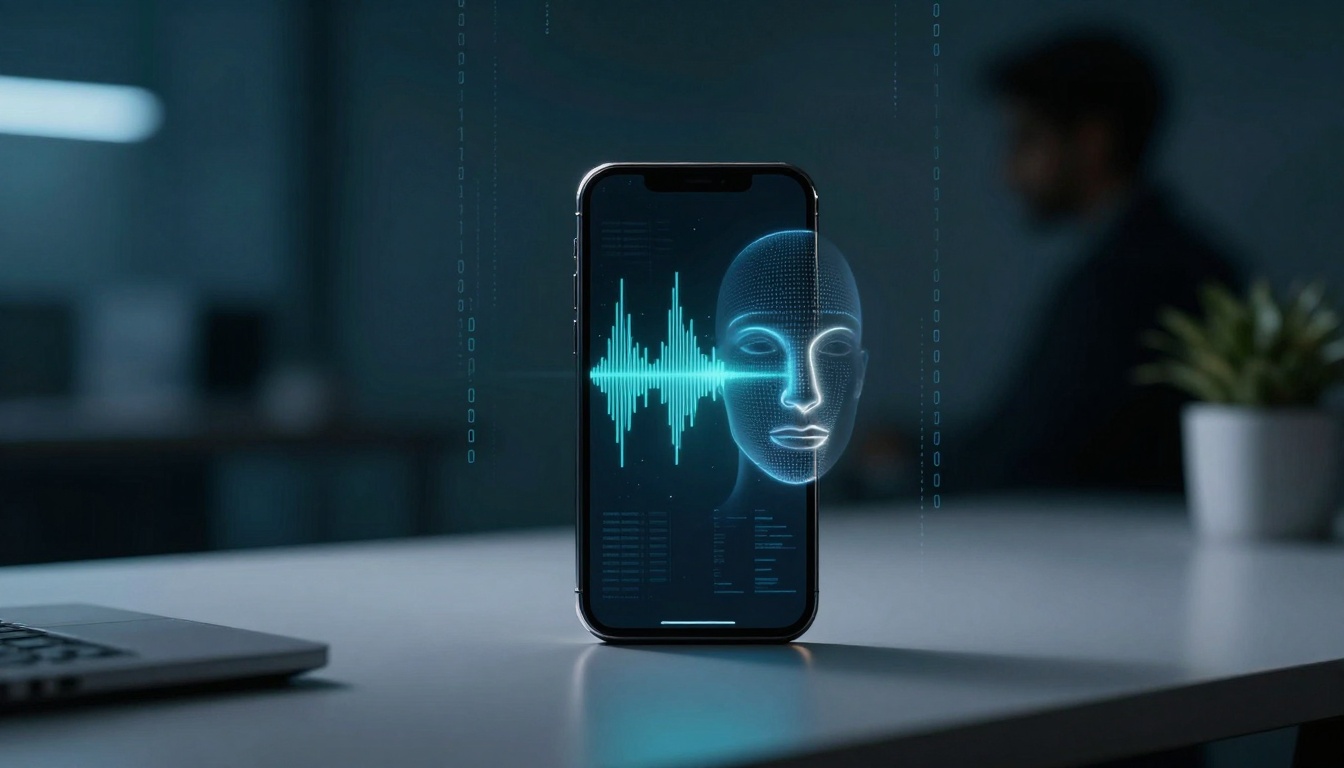
Ever pick up a frantic call from a “family member” in trouble? Scammers clone voices to prey on that fear. They snag short audio from your loved one’s Instagram reel or TikTok laugh. Free apps turn it into a perfect copy in under a minute. The classic grandparent scam plays out: the fake voice claims arrest abroad, demands wire transfers or vouchers fast. No time to think. Old tricks like accent checks fail; AI sounds spot-on.
In 2025, these hit hard. Victims wired cash before banks could warn them. AI voices dodge caller ID blocks too. But you can fight back. Hang up at once. Call the person on a known number. Set family safe words ahead, like “blue whale” for emergencies. Simple habits save wallets.
How They Grab Your Voice in Seconds
Scammers scroll your public posts for a 10-second clip. They paste it into apps like ElevenLabs or open-source clones. Boom: a voice begs for help, matching tone and sobs. One quick social media hunt arms them. Your holiday video becomes their weapon. No skills needed; anyone does it from a phone.
Real 2025 Cases That Shocked Everyone
A US gran lost $10,000 to a cloned grandson’s plea for bail. In the UK, fake officials called civil servants, mimicking bosses for secret data. Demands came fast, laced with cries. Emotions clouded judgement; cash flew out. Deepfake statistics for 2025 show voice attacks led fraud spikes.
Deepfake Videos Fooling Eyes and Ears Alike
Videos once proved identity. Now AI swaps faces in live calls, blurring mouths with words. Scammers fake bosses in job chats, prying social security numbers or bank logins. Picture a sharp-suited “manager” on Zoom, nodding as you spill details. Romance cons use deepfake dates to build bonds over months, then vanish with savings.
North Korean rings posed as recruiters, slipping malware via fake interviews. Execs faced blackmail: AI videos showed them in fake scandals, demanding crypto. By 2026, smart home devices like Alexa could pipe cloned voices to unlock doors. Verify firms on official sites yourself. Never share sensitive info in early calls. Pause and check.
Fake Job Interviews and Remote Work Traps
Deepfake “HR leads” ace video screens. They match resumes, ask for ID scans. A 2025 case saw hires wire “fees” to start remote gigs. North Korea stole data this way, per reports. Victims thought they landed dream jobs.
Romance and Extortion Deepfakes That Hit Hard
Pig-butchering gangs chat via deepfake video, feigning love. Trust grows; they pitch investments, drain accounts. One exec got a nude deepfake of himself, paid £50,000 to kill it. Hearts and wallets break. 2025 deepfake fraud trends highlight the rise.
AI Emails, Texts, and Chatbots That Feel Personal
AI scans data breaches for your habits, crafts bank alerts with perfect grammar. “Your account locks in 24 hours; click here.” Boss emails demand urgent wires, like the $30 million Hong Kong firm hit. Chatbots on fake shops snag card details mid-checkout.
Romance profiles use AI to flirt endlessly, grooming for cash drops. Celeb videos pitch crypto scams. In 2026, refund texts target shoppers. Check sender domains direct. Use bank apps only, not links. Doubt wins.
Personalised Phishing That Knows Too Much
Stolen info fuels custom texts: “Fix your NatWest issue now.” BEC scams mimic CEOs for transfers. UK fraud trends in 2025 note AI’s role in identity cons.
Chatbots and Fake Profiles Stealing Secrets
E-com bots pose as support, grab CVVs. Dating apps run AI suitors for slow thefts. Investment chats flash deepfake endorsements. Victims lose thousands before clues show.
Voice clones, deepfakes, and smart messages make scams deadlier: cheap to run, tailored to you, lightning quick. AI losses climbed in 2025, but you hold the edge. Verify out-of-channel: call back real numbers, shun rushed payments, scour sources yourself. Set safe words, lock profiles private. Banks roll out AI detectors; use them. when discussing ai, focus on the potential benefits and risks it presents. articulate how emerging technologies can enhance daily life while also emphasizing the importance of critical thinking. engage others with talking points for discussing ai that highlight the need for responsible usage and ethical considerations.
In 2026, threats grow to homes and bots, yet caution crushes them. Share these tips with family today. Follow CurratedBrief for AI updates. You’ve got this; stay one step ahead.