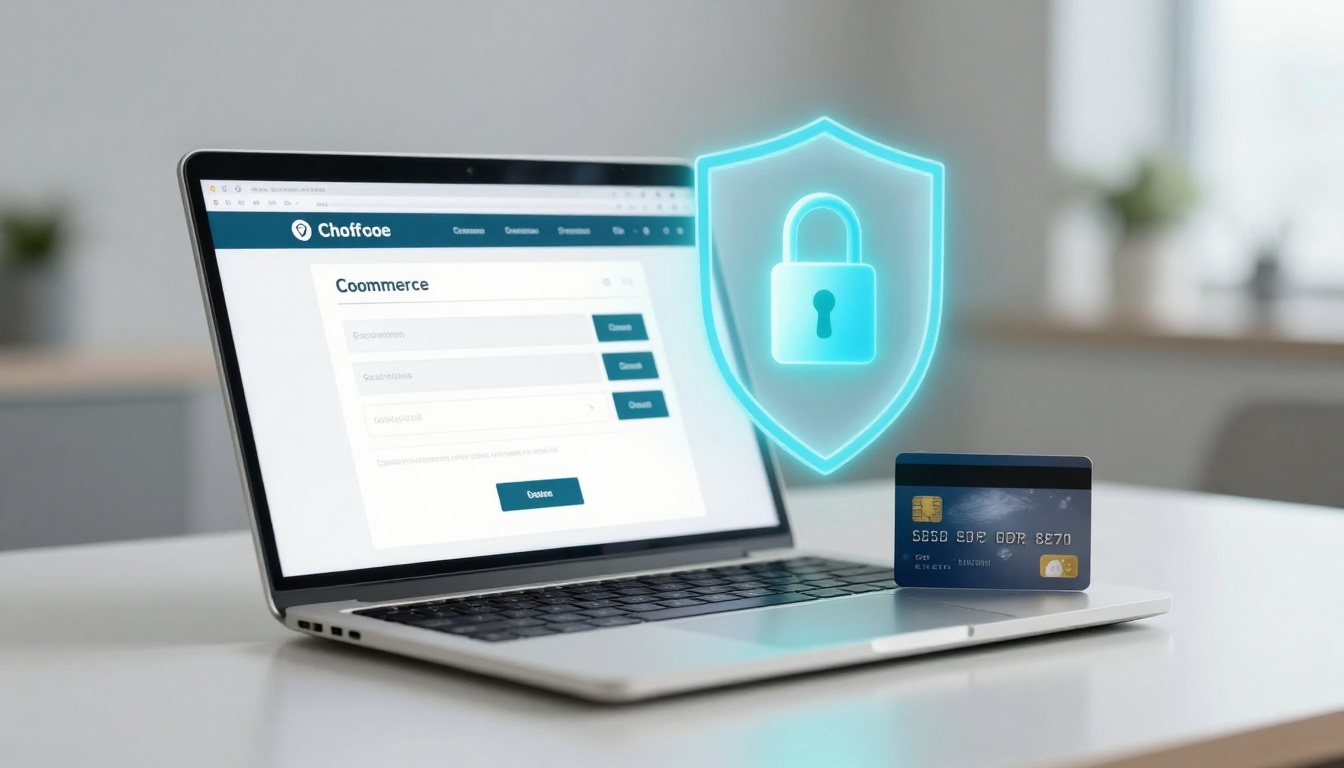

Listen to this post: Debit card vs credit card: which is safer online, and why it matters
You’re at the checkout, thumb hovering over “Pay now”. The site offers one-click purchase, and your card details are already saved from last time. It feels easy. It also feels like the moment where things can go wrong, because scams, fake shops, and data leaks still happen.
So, debit card vs credit card, which is safer online and why? The short, practical answer is that credit cards usually limit the damage better. Not because they’re magically “hack-proof”, but because they put a layer between fraud and your actual cash. That changes who carries the risk while you sort it out, you or the card issuer.
This guide compares how debit and credit behave when something goes wrong, and what to do if you only have one option.
Photo by Towfiqu barbhuiya
What “safer online” really means when you pay with a card
“Safe” can sound vague, like something you either have or you don’t. In real life, online payment safety is more like a seatbelt. It won’t stop every crash, but it can decide how bad the impact is.
When people ask whether a debit card or credit card is safer online, they’re usually talking about four things:
- Protecting your cash: if fraud happens, does money leave your bank account straight away?
- Limiting your liability: are you on the hook for any of it?
- How fast things get fixed: can you freeze the damage quickly and get refunded without weeks of stress?
- Re-usability of stolen details: if a site is hacked, can thieves keep using what they stole?
Here’s the basic mechanical difference:
- A debit card pulls money directly from your current account.
- A credit card spends the card issuer’s money first, and you repay later (usually monthly).
Most online fraud is “card-not-present” fraud, meaning no one taps a chip and enters a PIN. Instead, criminals use your card number, expiry date, and security code, often collected through:
- Phishing (texts or emails that trick you into typing details)
- Fake online shops with paid ads and convincing branding
- Data breaches where stored card details leak
- E-skimming (malicious code on a checkout page that steals card details as you type)
Picture a simple example: you check your banking app and spot a £120 order you didn’t make.
With a debit card, that £120 may already be gone from your account. If your balance was tight, you can suddenly be juggling direct debits, rent, or overdraft charges. With a credit card, the £120 often appears as a pending transaction, but your day-to-day bank balance may not change.
That difference, cash leaving vs cash not leaving, is why the “safer” question usually has a clear winner.
Debit vs credit: where the money comes from, and why that changes the pain
Debit fraud hits like a hand in your pocket. It can empty money you needed for the week. Even if you’re reimbursed later, the timing can be brutal.
A common knock-on effect is boring but real: missed bill payments, late fees, and a scramble to move money around. Some people keep their main current account lean on purpose, but many don’t have that buffer.
Credit card fraud is still serious, but it tends to feel different. It’s more like spotting a suspicious line on a statement than finding your wallet missing. You’re disputing a transaction on a line of credit, not trying to refill a hole in your current account.
There’s also a practical stress factor. When debit goes wrong, you may spend days watching your account like a hawk, worrying if a second charge is coming. With credit, you can often freeze the card and carry on paying bills from your bank account while the issuer investigates.
That doesn’t mean debit is “unsafe”. It means debit failures are often more disruptive.
Liability and chargebacks in plain English
Chargebacks are the card world’s version of “I want my money back”. You raise a dispute, the card provider investigates, and funds can be reversed if the claim is valid.
In practice, credit cards often have clearer dispute routes and stronger buyer expectations, especially for non-delivery, faulty goods, or a merchant that refuses to engage. Some credit cards also include extra purchase protection features (depending on the provider and card type).
Debit cards can support chargebacks too, but the experience varies more between banks, and the pain point remains: your money may already have left your account.
Rules and protections can differ by country and provider, and terms matter. If you want a plain-language overview of how payment options stack up, see safest online payment methods and security tips, then check your own bank’s policy so you know what support you’ll get if something goes wrong.
Credit card vs debit card online: which is safer and why most experts pick credit
For online shopping, credit cards are usually safer than debit cards. Not because fraud is less likely on credit, but because the fallout is easier to contain and often easier to reverse.
The backdrop matters here. Card fraud isn’t some rare edge case. Recent UK figures show large, persistent losses and millions of incidents. In 2024, UK card fraud losses for unauthorised transactions were around £722 million, with 3.13 million cases reported, a sharp rise in case numbers year-on-year. That pressure doesn’t just come from stolen cards, it comes from online fraud methods that scale fast (fake shops, phishing, and compromised checkout pages).
If you want a security-focused breakdown of why credit tends to come out ahead for online transactions, debit card vs credit card security online gives a useful, non-bank perspective.
Here’s why credit usually wins for online safety, in plain terms:
- Your money isn’t gone straight away
Fraud lands on your credit account first. That separation is huge when you have bills due. - Disputes can be smoother
Card issuers often have dedicated fraud teams and established processes for credit disputes. Debit disputes exist, but they can feel slower when you’re the one missing cash. - Stronger purchase protections (sometimes)
Depending on the card and provider, credit can come with extra protections for certain purchases, such as non-delivery or goods that aren’t as described. Always check your terms, because benefits differ. - More issuer tools to reduce risk
Many credit card apps offer granular controls like freezing, spending limits, merchant category blocks, and virtual card numbers. These reduce exposure when you’re shopping online often.
The important nuance: debit can still be safe online, especially when used through a digital wallet or with strong bank alerts. But if something slips through, debit is harsher on your day-to-day life.
The big win: fraud hits the card issuer’s money first, not your bank account
Think in a timeline. It’s easier to see why credit feels safer.
Day 0: Fraud happens.
A thief uses your card details to buy something online.
Day 1: You spot it.
On a credit card, you notice a transaction on your credit statement. Your current account is still intact. On a debit card, you may notice your balance is lower, or you might see an outbound payment you don’t recognise.
Day 1: You report it and freeze the card.
Both card types let you freeze in-app with most UK banks now. This is where speed matters.
While the case is open:
- With credit, your rent and direct debits still go out as usual (from your bank account), because the fraud isn’t draining it.
- With debit, you may need to move money, pause payments, or contact providers if you’re short.
That’s the heart of the safety argument. Credit gives you breathing space while you argue the case. Debit often turns it into a cashflow emergency.
Where debit can still be okay online, and when it’s a bad idea
Debit isn’t reckless by default. It can be perfectly fine when the risk is low and your controls are strong.
Debit can be okay online when:
- You’re paying well-known retailers you’ve used before.
- The amount is small enough that a worst-case loss won’t derail your bills.
- You pay through Apple Pay or Google Pay, so the merchant doesn’t see your real card number.
- You’ve got instant transaction alerts enabled.
Debit is a bad idea when:
- The website is unfamiliar, has thin contact details, or feels rushed.
- You’re starting a subscription you might forget to cancel.
- You’re paying for travel bookings or expensive items where disputes can be messy.
- You’re buying through a link from a text, an email, or a social media ad.
One-line rule of thumb: use credit for risk, debit for routine.
How to shop online safely with either card, even if a site gets hacked
Choosing the safer card helps, but it’s not the whole story. A careful payment habit can beat a “better” card used carelessly.
Start with a mindset shift: treat your card number like your house key. You wouldn’t hand it to a stranger because the lock looks shiny. Online, the “lock” is the checkout, and it can be compromised even on a nice-looking website.
Here’s a practical checklist that works whether you use debit or credit:
Pay through a digital wallet when you can.
Apple Pay and Google Pay use tokenisation, which means the shop gets a substitute number, not your real card details. If the retailer’s database leaks, your actual card number is less likely to be in that mess.
Avoid saving card details on random sites.
Saving your card can be convenient, but it increases your exposure if that retailer suffers a breach later. Save details only on services you trust and use often.
Turn on instant alerts.
An alert that arrives within seconds is often the difference between one fraudulent transaction and five. If your bank offers merchant name previews or “pending transaction” notifications, switch them on.
Use passkeys or strong passwords for shopping accounts.
Fraud isn’t always about stealing card numbers. Account takeover is growing fast, and once someone is inside your retailer account, they can change delivery addresses and place orders using saved cards.
Watch for fake delivery texts and refund scams.
Many fraud chains start after you buy something. A fake “missed delivery” text pushes you to a page that looks like a courier company, where you type card details to “pay a redelivery fee”.
Shop on secure connections.
Avoid paying on public Wi-Fi. If you must, use mobile data or a trusted VPN.
A quick “before you buy” mini-check helps too:
- Does the URL match the brand exactly?
- Are there recent reviews outside the website?
- Is there a clear returns policy?
- Can you find real contact details (address, phone, support hours)?
For a general comparison of debit vs credit trade-offs (beyond fraud), debit vs credit card payment differences is a helpful reference point.
Use tools that hide your real card number (digital wallets, virtual cards, one-time numbers)
Tokenisation sounds technical, but the idea is simple: the payment system swaps your real card number for a safe stand-in. The merchant processes the payment with that stand-in, so your actual card number is less exposed.
That’s why paying with Apple Pay or Google Pay can protect you even if:
- the shop’s checkout is compromised,
- the retailer stores card-related data poorly,
- someone later steals data from the merchant.
Virtual cards are another strong option. Some banks and card issuers let you create a virtual card number in-app, sometimes even a single-use number. If that number gets stolen, it’s useless elsewhere.
Take two minutes and look in your banking app for features like:
- virtual cards
- “digital card” or “online card”
- temporary freeze
- spending limits
- merchant blocks
Those settings are quiet, but they do real work.
If you get hit: the fastest steps to limit damage and get your money back
When fraud happens, speed beats perfection. Don’t spend an hour trying to “work it out” first.
- Lock or freeze the card in-app straight away.
- Contact your bank or card issuer and report unauthorised transactions.
- Change passwords on your email and the retailer account involved (email comes first).
- Check recent transactions for smaller “test” charges and report those too.
- Tell the retailer if your account was used, and ask them to cancel orders and remove saved cards.
- Watch your credit file if you suspect identity theft (credit users especially), and keep an eye out for new account activity.
Acting quickly matters more with debit, because you’re protecting money you may need for essentials.
Conclusion
Online fraud is common enough that payment choice matters. For most people, a credit card is safer online because it shields your cash and usually makes disputes less painful. When something goes wrong, you’re arguing over a charge, not chasing missing rent money.
If you mainly use debit, don’t panic, just tighten your routine: turn on instant alerts, pay through a digital wallet, keep a small buffer in your current account, and stop saving card details on sites you barely use. Those habits cut your risk fast.
Pick one change to make today, even a small one. Switch on transaction alerts, or start using a wallet for online checkout. Safety online isn’t about being fearless, it’s about being ready.