
Listen to this post: How to manage screen time for kids without constant battles
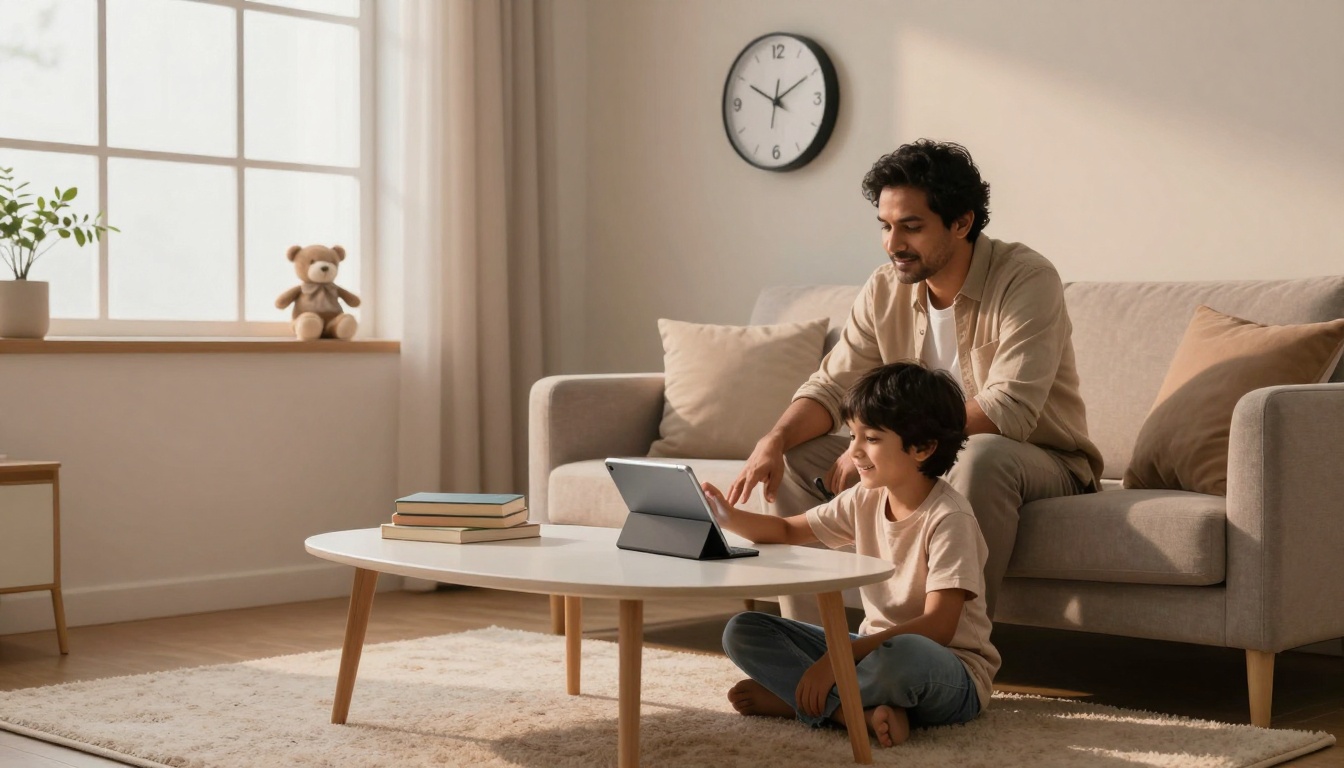
The scene is familiar. You say, “Time’s up,” the tablet goes dark, and suddenly your living room feels like a fire alarm has been pulled. You didn’t set out to argue about cartoons at 6 pm, yet here you are again, negotiating with a tiny lawyer who knows every loophole.
There’s a calmer way. Not perfect parenting, not banning screens, and not turning your home into a place where fun is rationed like wartime sugar. This is about managing screen time for kids with a system that feels fair, protects sleep and mood, and stops you having to “win” every single day.
Screens are part of life now. School apps, group chats, games, videos, homework on a laptop. The aim isn’t zero. The aim is balance, so screens don’t crowd out rest, movement, learning, and family time.
Start with a clear goal, not a daily argument
If your plan is “less screen time”, your child hears, “less of what I enjoy.” That’s why the fight starts before the device even powers on.
A better goal is simple: screens shouldn’t replace the basics. Most health guidance lands on the same anchors, even when exact minutes vary:
- Sleep comes first.
- Movement needs to happen daily.
- School and responsibilities still get done.
- Real connection (talking, play, time with others) stays in the week.
For younger children, clear guardrails help because they’re still learning self-control. UK NHS-linked resources often point families back to WHO guidance for under-5s, which is still the reference point as of January 2026. You can see practical summaries in NHS resources such as Newcastle Hospitals’ screen time guidance.
Plain-language guardrails that work in real homes:
- Under 2s: avoid screens except video calls with family. Focus on faces, talk, toys, and the world around them.
- Ages 2 to 5: aim for about an hour a day of high-quality content, and less is fine. The Healthier Together advice for under-5s is useful for explaining this in everyday terms.
- School-age and teens: focus on routines and trade-offs rather than one strict number. A child who sleeps well, moves, and still reads or socialises is usually doing better than a child who hits a “perfect” time limit but melts down daily.
The shift is this: you’re not policing minutes, you’re building habits.
Choose your non-negotiables that protect sleep and family time
A few rules, held steady, can drain most of the drama out of screen time. Kids cope better with firm lines than wobbly ones.
Pick two to four non-negotiables and keep them consistent:
- No screens at meals (including adults, if you want fewer protests).
- No screens in the hour before bed (or longer if evenings are a struggle).
- Devices charge outside bedrooms.
- Screens stay in shared spaces when possible, at least for younger kids.
Bedtime is the easiest win because sleep affects everything. A tired child isn’t “naughty”, they’re running on fumes. Late screens also make it harder to switch off, even when they seem calm.
If you need one rule to start with, start here: protect the last hour of the day. Keep it screen-free, predictable, and quiet. You’re not taking something away, you’re building a runway towards sleep.
Focus on what, when, and what it replaces
Screen time isn’t one thing. A video call with grandparents doesn’t hit the same as endless autoplay clips.
Use this quick check instead of guilt:
- What are they watching or playing, is it age-appropriate, calm, and decent quality?
- When is it happening, is it earlier in the day or right before bed?
- What it replaces: outdoor play, reading, hobbies, friends, family chat, sleep?
For younger kids, co-watching helps. Sitting together and chatting turns a show into language practice and shared time, rather than a babysitter.
Also, be aware of design traps. Autoplay, infinite scroll, and back-to-back short videos make stopping feel like ripping a plaster off slowly. Turning those features off is often more powerful than another lecture.
Build a family screen plan kids will actually follow
Rules whispered in the moment don’t last. A plan written down does.
The trick is collaboration, not a committee meeting that lasts two hours. You’re still the adult, but your child gets a voice. That voice matters, because ownership reduces pushback.
Set a short family chat:
- What do we want screens to support (relaxing, learning, staying in touch)?
- What do we want to protect (sleep, meals, homework, family time)?
- What happens when it’s hard to stop (timer, warning, next activity)?
Write the plan down and put it somewhere visible. If it only lives in your head, it will be argued like it’s optional.
If you want fewer “It’s not fair” moments, make the rules apply to adults too, at least in the key zones (meals, bedtime wind-down). It’s hard to sell “screens off” while you’re scrolling beside them.
A simple rhythm reduces daily negotiation. Here are example patterns to adapt, not copy:
- Weekdays: screens after homework and chores, for a set window, then off before bed.
- Weekends: a morning block and an afternoon block, with a clear pause for outdoor time, sport, or seeing friends.
Write simple rules in kid-friendly language and stick them on the fridge
Long speeches create loopholes. Short phrases create clarity.
Try “when-then” statements and clear endpoints. Think in blocks, not vague promises.
Examples you can steal:
Preschool (2 to 5)
- “After lunch, one programme.”
- “When the timer beeps, we turn it off.”
- “Screens stay in the living room.”
If you want a solid under-5 reference in UK language, Health for Under 5s on managing family screen time is practical and parent-friendly.
Primary school (6 to 11)
- “Homework first, then screens.”
- “Screens stop at 6.30 pm.”
- “One game match, then a break.”
Teens
- “Phones charge downstairs at night.”
- “No screens while we’re eating.”
- “If sleep slips, we adjust the plan.”
Keep it neutral. You’re not punishing screens. You’re organising the day.
Use timers and device settings so the clock is the bad guy
You don’t want to be the human off-switch. That role invites resentment.
Use tools that do the heavy lifting:
- A kitchen timer or phone timer.
- App limits and downtime settings.
- Child profiles with age-appropriate content controls.
- Turn off autoplay where you can.
One tip that changes everything: set the timer before the screen turns on, not after. If the timer appears halfway through, it feels like a trick. If it’s set at the start, it feels like the deal.
If you need extra reassurance about why early habits matter, the NCT guide on screen time for babies and toddlers is clear and balanced, without panic.
Make screen time endings smoother, so turn-off time doesn’t explode
Stopping is hard for adults too. If someone snatched your book away mid-chapter, you wouldn’t say, “Thank you for the healthy boundary.”
Games and videos are built to hold attention. Bright colours, rewards, cliff-hangers, “next up” queues. Your child isn’t broken, their brain is doing what it’s meant to do, stick with the interesting thing.
The goal is fewer meltdowns, not a child who smiles sweetly every time. Expect some protests. Plan for them like you plan for rain.
Use warnings, natural stopping points, and a ready next activity
Most blow-ups happen when a child feels surprised and powerless. Give their brain a runway.
A simple script you can repeat daily:
- “10 minutes left.”
- “5 minutes left.”
- “Last one (last episode, last match, last level).”
Choose natural stopping points where possible. Finish the level, end of the episode, complete the match. For younger kids, a whole episode is often a better unit than “15 minutes”, because they can picture it.
Then have the next activity ready before the screen goes off. Not “go and find something else”, but something you can hand them:
- snack already on the table
- football by the door
- bath running
- Lego tub open on the rug
- audiobook queued up
Predictable transitions work. The next step shouldn’t feel like falling off a cliff.
Offer choices within limits, not open negotiation
Kids push hardest when they sense a gap in the fence. A clear boundary with a small choice inside it often calms things down.
The difference:
- Open negotiation: “How much longer do you want?”
- Choice within limits: “You’ve got 45 minutes, do you want YouTube or Minecraft?”
More examples that reduce arguing:
- “Screens now or after tea, you pick.”
- “One episode, do you want this show or that show?”
- “Do you want to stop at the end of this level, or after the next one?”
When the pushback comes, stay calm and repeat the rule once. Don’t put the boundary on trial. Your tone matters as much as your words. A steady voice says, “You’re safe, I’m in charge, and we can handle this.”
Keep it working long term, even when life gets messy
Plans fail on tired days. That’s normal. What matters is how you reset.
The most common reasons screen rules collapse aren’t big parenting mistakes. They’re small, human slips:
- screens become the only calm-down tool
- rules change day to day
- adults enforce limits while scrolling
- a child starts using screens late at night, unseen
The fix isn’t stricter shouting. It’s returning to the system.
Model the habits you want, kids watch what you do
Kids are brilliant at spotting double standards. If the rule is “phones away at dinner” but you check notifications, you’ve just taught them the real rule is “Mum and Dad’s phone matters more.”
Realistic ways to model without pretending you’re a monk:
- Phone-free meals for everyone, even if it’s just four nights a week.
- A family charging spot in the kitchen.
- A short daily window where everyone is off screens, even 20 minutes helps.
- When your child talks, put the phone face down. That one move changes the mood in a room.
If you want a UK public health page you can share with older kids who like sources, NHSGGC’s screen time information is a solid, non-judgemental read.
Fairness reduces battles. Consistency reduces battles. Adults following the plan reduces battles.
Know the red flags and when to ask for help
Most screen-time struggles are normal. Some are signs that something bigger is going on, like anxiety, sleep issues, bullying, low mood, or gaming becoming a coping tool.
Watch for red flags such as:
- meltdowns that stay intense even with warnings and routines
- sneaking devices at night, or lying repeatedly about use
- falling grades, missed homework, or constant tiredness
- dropping hobbies they used to enjoy
- big mood swings, anger, or social withdrawal
- serious sleep problems that don’t improve when screens move earlier
If these signs keep building, speak to your GP, your child’s school, or a child mental health professional. This isn’t about blame. It’s about support, for them and for you.
Balance is the goal. Shame doesn’t help anyone.
Conclusion
You don’t need more willpower, you need a repeatable system. Pick a few non-negotiables that protect sleep and family time, write a simple plan your child helped shape, use timers and settings so you’re not the villain, and practise smoother endings with warnings and a ready next activity.
Start with one change this week, like screens off at meals, or a firm cut-off an hour before bed. Then ask your child to help choose the first offline activity to replace that time. When the routine is steady, the battles usually shrink, and family life gets its volume back down.