



Listen to this post: The 2pm Crash Isn’t About What You Had for Lunch
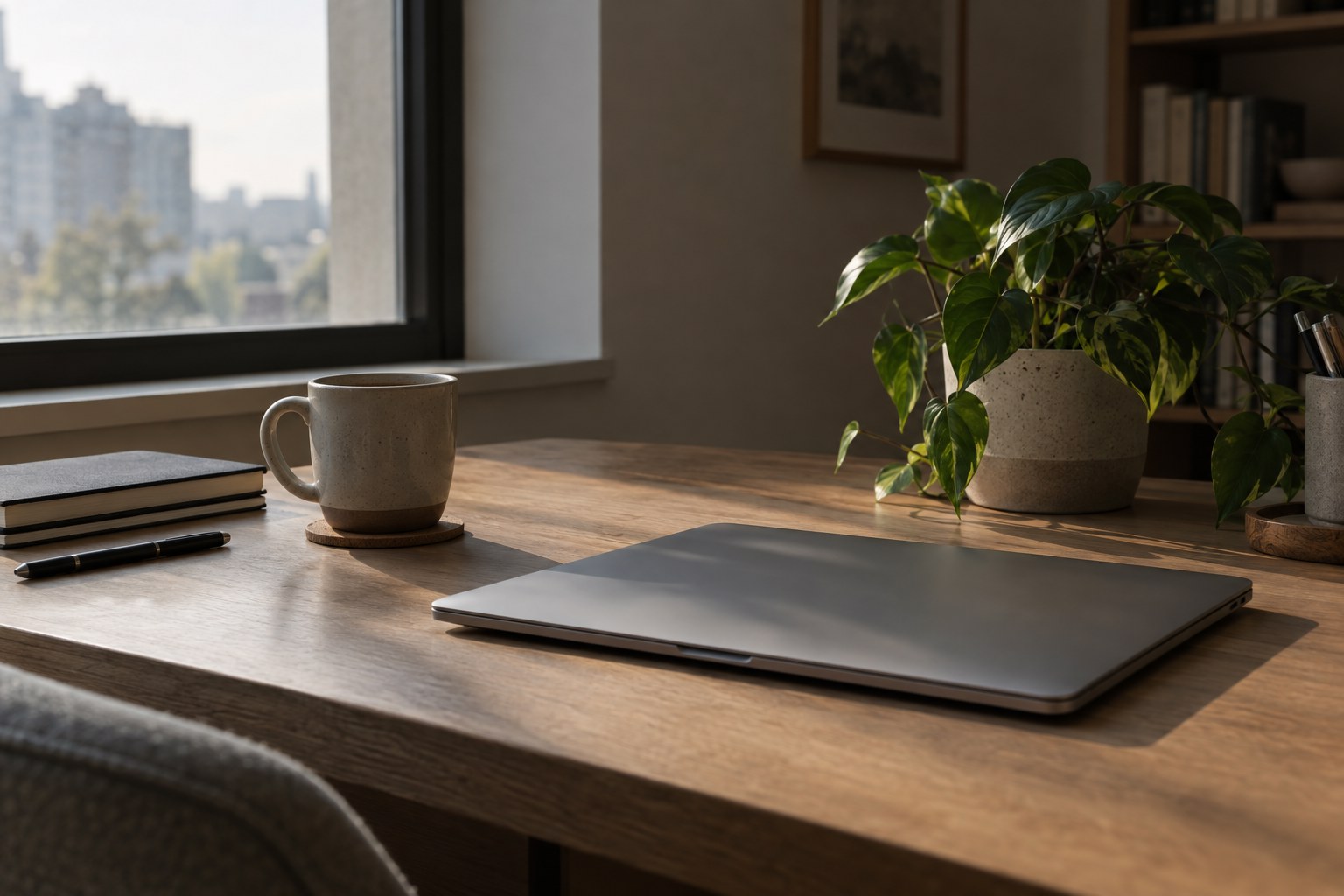
Around 2:45 most afternoons, something in your brain quietly clocks out before the rest of the day has. The screen is still open, the inbox is still refreshing, but the sentence you just read somehow needs reading again, and the easiest thing in reach is the phone. You tell yourself it’s a quick break. Five minutes later you’re back at the keyboard, no less tired than before, just later.
Ask around and almost everyone has a version of this slot. Not first thing, not right after lunch exactly, but somewhere in that stretch between one and four, the day seems to lose its grip on you a little. The instinct is to blame the sandwich, or the meeting that ran long, or just not sleeping well the night before. The timing is a lot more stubborn than any of that.
The crash was scheduled before lunch even happened
Sleep researchers have a name for this window: the post-lunch dip, and the name is a little misleading, because it shows up on days people skip lunch entirely. The dip tracks with the body’s circadian rhythm, not the stomach. Core body temperature and alertness run on a daily curve with one deep trough overnight and a second, shallower one in the early-to-mid afternoon, and that second dip lands at roughly the same hour whether breakfast was heavy, light, or never happened.
What makes it feel worse some days than others is a second system stacking on top of the first. Sleep scientists describe alertness as the product of two processes running at once: a circadian rhythm setting the daily rise and fall, and a separate pressure that simply builds the longer you’ve been awake, the way thirst builds the longer you’ve gone without water. A short night doesn’t move the circadian dip to a different hour. It just means you arrive at that same scheduled low point already running a deficit, so the dip that was always coming lands harder.
None of that is a flaw in your focus. It’s closer to a tide table. The question worth asking isn’t “why am I like this today,” it’s “what do I actually do with the twenty minutes the tide takes out from under me.”
Why the phone makes it worse, not better
The instinctive answer, reaching for the phone, is also the one that tends to backfire, and there’s a specific reason why. Attention researchers distinguish between two kinds of focus: the effortful, directed kind a hard task demands, and a more passive, open kind that lets the directed system rest and recover. The restorative version needs mild interest without demands — a window, a walk, something the mind can drift through rather than chase. A feed is built to do the opposite. Every swipe is a fresh decision about whether to keep going, which is exactly the kind of directed attention you were trying to give a break from.
Workplace researchers have tested this directly, comparing how people feel after different kinds of breaks, and the pattern holds up: breaks spent scrolling or checking messages are consistently linked to people reporting more fatigue afterward, not less, while breaks spent relaxing or actually stepping away from screens tend to leave people measurably more recovered. The phone break feels like rest because it doesn’t feel like work. Underneath, it’s often asking the same depleted system to keep making micro-decisions, just about something lower stakes than the spreadsheet.
What an actual reset needs to look like
The research on short breaks converges on something more specific than “step away.” A break that restores energy tends to have an edge to it — a clear start, a clear finish, nothing left open-ended to wander back into. That’s the part a feed structurally can’t offer, since there’s no natural stopping point built into an infinite scroll, and it’s the part a closed, finishable task can.
A few people handle the 2:45 wall this way on purpose: instead of opening a feed with no bottom, they’ll run a single quick round of something like Starlight Run, play until it ends, and then it’s actually over. Nothing to keep checking, nothing still loading in the background. The point isn’t the game itself so much as the shape of it — ninety seconds of something that asks for just enough attention to pull you off the stalled sentence, then hands the rest of the afternoon back to you with a real stopping point instead of another tab you forgot was open.
The same logic explains why a short walk around the block, a few minutes with an actual crossword, or just stepping outside without a phone tends to outperform the thing that looks the most like rest on paper. What they share isn’t the activity. It’s that each one ends.
The dip isn’t the enemy
None of this makes the afternoon dip disappear, and it isn’t supposed to. The circadian trough is going to show up most days around the same hour regardless of what anyone does about it, the same way the tide goes out whether or not you planned around it. What changes is what’s waiting on the other side of it: whether you come out of that twenty minutes actually restored, or just twenty minutes later and no less foggy than you went in.
The honest fix was never going to be willing the dip away, the same way no amount of determination moves a tide table. It’s picking something for that stretch that has an ending built in, so the break actually counts as one — and the rest of the afternoon gets to start from something closer to zero than from wherever the feed happened to leave you.