




Listen to this post: Why You Buy More the Moment You’re Too Tired to Decide
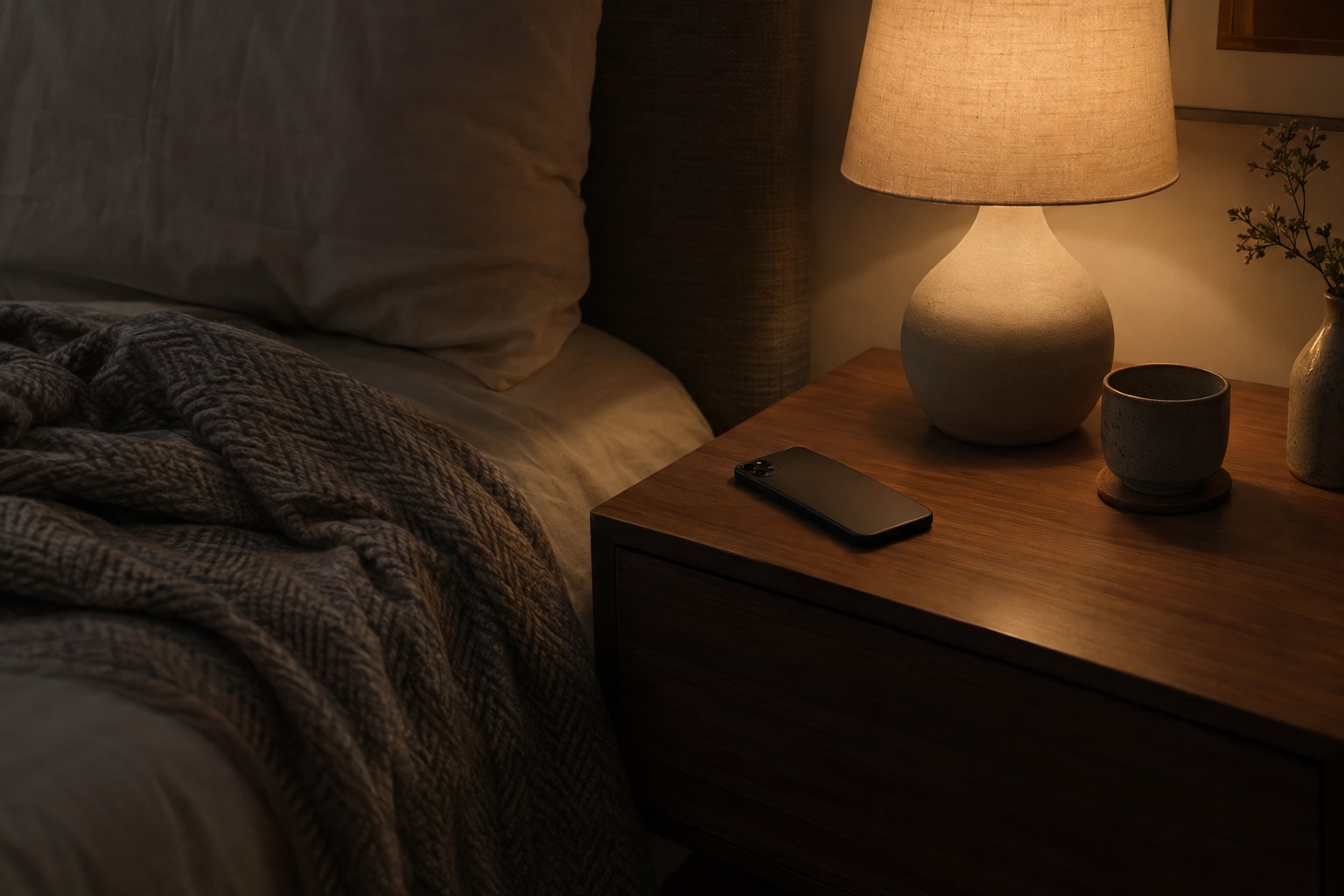
It’s 10:40 on a Tuesday night. You’ve already decided what to eat for three meals, answered forty-odd messages, picked a lane in a group chat argument about weekend plans, and talked yourself out of one mild disagreement with a coworker. Now you’re lying in bed with your phone six inches from your face, and somehow a pair of boots you weren’t thinking about this morning are in your cart. Nobody pressured you into it. You just stopped resisting somewhere around decision number two hundred for the day, and the boots happened to be decision two hundred and one.
Ask most people when their impulse buying actually happens and the honest answer is rarely “whenever I see something I want.” It’s “at night,” or “when I’m wiped out,” or “after a day that went badly.” The timing isn’t a coincidence, and it isn’t really about the boots either.
Willpower runs on the same tank as everything else
The idea that self-control is a limited daily resource, not a fixed trait, goes back to research the psychologist Roy Baumeister did in the 1990s on what he called ego depletion: resisting one temptation, making one hard call, or holding your tongue in one conversation leaves measurably less self-control available for the next one, because they all seem to draw from the same reserve. The finding that made this idea famous outside academic circles wasn’t about shopping at all — it was a study of parole boards, which found judges granted parole far more often early in the day and right after a meal break, and far less often as a session of decisions wore on, regardless of the actual merits of each case in front of them. The decision itself hadn’t changed. The person making it had simply spent most of their capacity for careful judgment on the cases before it.
Buying something is a decision like any other, and it’s one of the easier ones to make badly once the reserve is low, because saying yes takes no effort at all. Saying no is the part that costs something, and by 10:40pm, after a full day of saying no to smaller things, there’s often just not much left to say it with.
Why it feels like relief instead of spending
There’s a second piece to this that has less to do with willpower and more to do with what the purchase is actually standing in for. Research connecting burnout to spending habits has found that people reliably describe shopping during a depleted, stressed stretch not as indulgence but as something closer to refueling — a small, controllable win at the end of a day that mostly felt out of their control. You didn’t get to choose how the meeting went, or whether the train was late, or how the argument ended. You can choose the boots. The relief isn’t really about the object. It’s about getting to make one decision all evening that goes exactly your way, with a confirmation screen that tells you immediately that it worked.
That’s a very different motive from need, and it explains something that purely rational models of shopping never quite capture: the item itself is often almost beside the point by the next morning. The boots were never really the plan. The feeling of having decided something, cleanly and in your favor, was.
You can’t out-discipline a tank that’s already empty
Knowing all this doesn’t make the urge go away in the moment, because the one thing a depleted reserve of self-control can’t reliably do is talk itself out of spending while it’s still depleted. Trying harder at 10:40pm is asking the exact resource that’s already running low to perform better under worse conditions, which is roughly the opposite of how it works. The more realistic fix isn’t more discipline in the moment. It’s moving the actual decision to a moment when there’s more discipline available — which, for almost everyone, is a different time of day entirely, not a different amount of self-control.
This is the entire logic behind any version of the sleep-on-it rule, and it works less because a night’s sleep changes your opinion of the boots and more because it changes who’s doing the deciding. Morning-you, running on a full reserve, is answering a much simpler question than tired-you was: not “does this feel good right now,” but “do I actually want this.” A few people build that gap in deliberately rather than relying on remembering to revisit a cart the next day — jotting the urge down the moment it shows up, in something like Buyer’s Remorse Log, so the item is captured honestly in the state it was actually tempting in, and the decision about whether to buy it gets made later, by someone with more left in the tank.
The want is real. The timing is the problem.
None of this means the desire for the boots was fake, or that wanting things at the end of a hard day is some kind of character flaw to be managed into submission. It means the version of you doing the wanting at 10:40pm and the version doing the deciding have different amounts of judgment available to them, and treating those as the same person making one clean choice is where most regretted purchases actually come from.
The useful question isn’t “do I want this.” Most evenings, after a day like that, the answer will honestly be yes. It’s “who’s answering that question right now” — and whether it’s worth waiting for whoever’s on duty in the morning to weigh in too.