



Listen to this post: Why Returns and Warranties Keep Quietly Expiring Before Anyone Notices
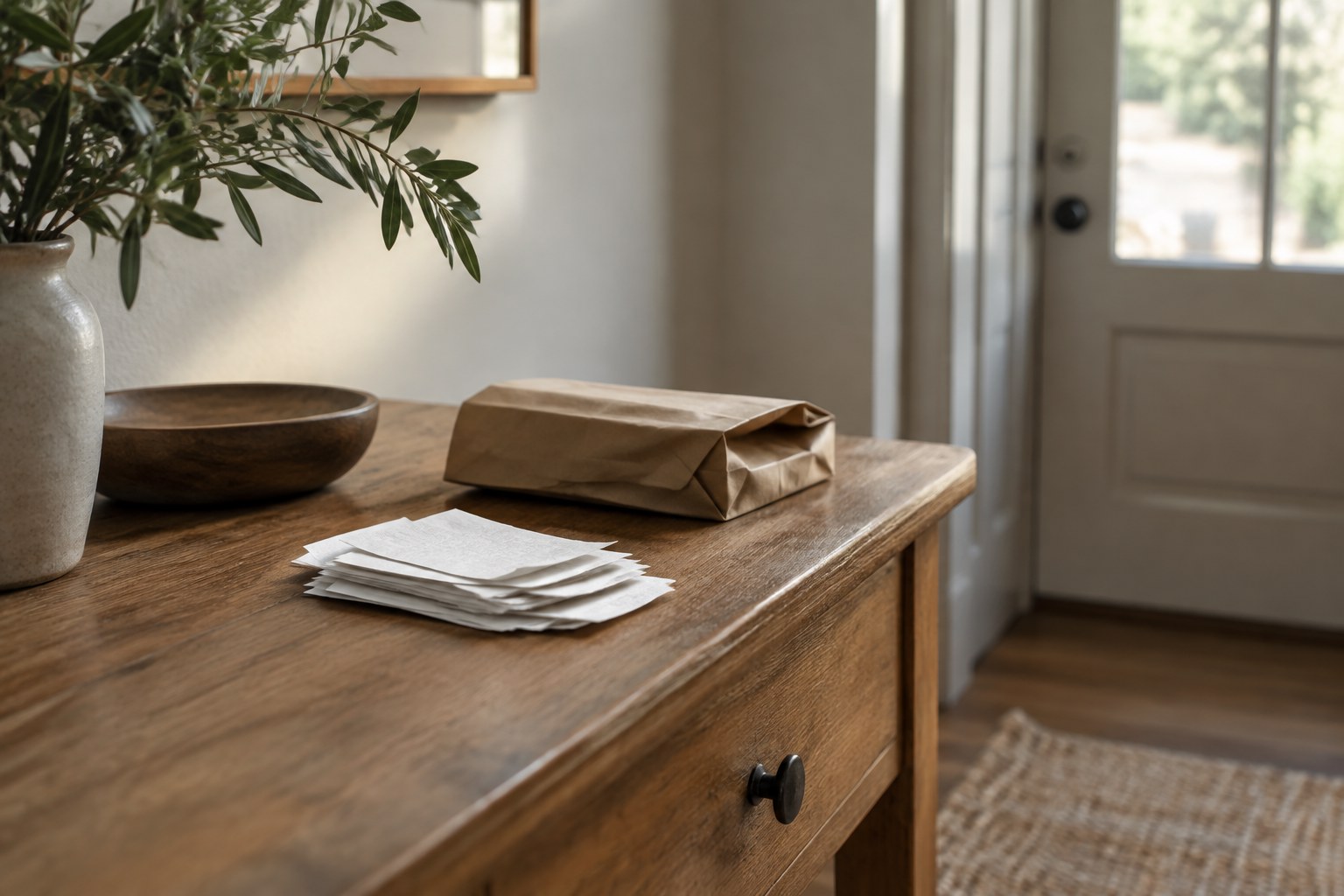
There’s a particular kind of guilt that lives in a kitchen drawer. Not the drawer itself — the small paper slips inside it, curling at the edges, most of them already too faded to read. Somewhere in that pile is the receipt for the blender that broke last month, well within its warranty, if only you could prove you ever bought it. Somewhere else is the top that didn’t fit, still has the tag on, and was meant to go back three weeks ago. It’s still in the bag by the door.
Neither of those things happened because you’re disorganised. They happened because paper receipts and calendar deadlines were never really designed to survive contact with an actual life. You don’t lose track of a warranty because you don’t care about the money. You lose track of it because nothing about owning the receipt reminds you, three months from now, that it’s quietly running out.
The window closes long before you start looking for it
Return windows and warranty periods share the same basic flaw: they’re measured from the date of purchase, not from the date you’d actually get around to needing them. Thirty days from buying a jacket is nothing if the jacket sits in its bag until the weather turns and you try it on properly for the first time. A year from buying a kettle is nothing if the fault doesn’t show up until month thirteen, which is exactly often enough to feel like it was timed on purpose.
One widely reported Australian survey put a number on how common this actually is, finding that around a third of online shoppers had let a return window close on something they’d fully intended to send back — collectively leaving billions of dollars of merchandise sitting unused in wardrobes and drawers instead of back in a refund. Nobody in that third set out to waste the money. They just didn’t have a reason to think about it again until it was too late to matter.
Warranties fail the same way in reverse. The appliance works fine for the first eleven months, which is exactly the stretch where you’d have no reason to go digging for a receipt, and exactly the stretch where the cover is still live. By the time something actually breaks, the paperwork has usually been through a house move, a bin clearout, or just enough time in a wallet to become unreadable.
Why the receipt never survives long enough to be useful
Part of the problem is that a receipt is a strange object to ask someone to look after. It’s not valuable the day you get it — you’ve already got the thing it proves you bought — so there’s no instinct to treat it carefully. It goes in a pocket, then a drawer, then eventually nowhere, usually around the same time it would actually start being useful.
Email receipts have their own version of the same problem. They don’t fade, but they do disappear into a search box, filed under whichever subject line the retailer happened to use, with no deadline attached anywhere you’d naturally see it. Finding the one you need means remembering which store, roughly which month, and then scrolling past forty newsletters to get there. Most people only discover whether that search works on the day they actually need to make a claim, which is a bad day to be testing it for the first time.
None of this is really a willpower problem, in the way a lot of advice about “staying on top of your paperwork” implies. It’s a design problem. The thing you need to remember and the moment you’ll actually need it are separated by months, and almost nothing in how receipts normally work bridges that gap for you.
Keeping track doesn’t have to mean keeping more paper
The fix that actually tends to stick isn’t a better filing system for paper, since paper is most of what’s failing here. It’s getting the receipt off paper entirely, at the one moment you’re guaranteed to have it in your hand: right after you buy the thing. A photo takes a few seconds and survives a house move, a bin clearout, and a few years of being shoved in a wallet, which the original slip generally doesn’t.
What makes that habit actually useful, rather than just a camera roll full of blurry till slips nobody will ever look at again, is attaching a deadline to it rather than just an image. A few people do this with something like Warranty Watch, which exists mainly to hold the photo and the date together and flag it again before the return window or the warranty actually runs out, rather than leaving that to whichever month you happen to clear out a drawer. The photo was never really the hard part. Remembering to look at it again before the deadline was.
It’s worth doing even for the purchases you’re fairly sure you’ll keep. The point isn’t to become the kind of person who returns everything — it’s to actually get to choose, deliberately, rather than finding out the choice expired three weeks ago without you.
A smaller habit than it sounds like
None of this needs a weekend overhaul or a drawer-sorting afternoon, which is probably why most paper-based systems for this never last more than a month. It’s closer to one small addition to something you’re already doing: you’ve just paid for something, so you photograph the receipt before it goes anywhere, the same way you might glance at the price before you buy it. Everything after that is just letting a deadline sit somewhere that will actually remind you, instead of trusting a curling slip of paper to do a job it was never built for.
The drawer will probably still have a few stray receipts in it regardless. But the ones that matter — the ones attached to money you’d actually get back, or a repair you’d actually be covered for — stop depending on whether you happen to open that drawer at the right time. That’s really the whole shift: from hoping you remember, to not needing to.