
Listen to this post: Digital ID Systems: Empowering Citizens or Enabling Surveillance?
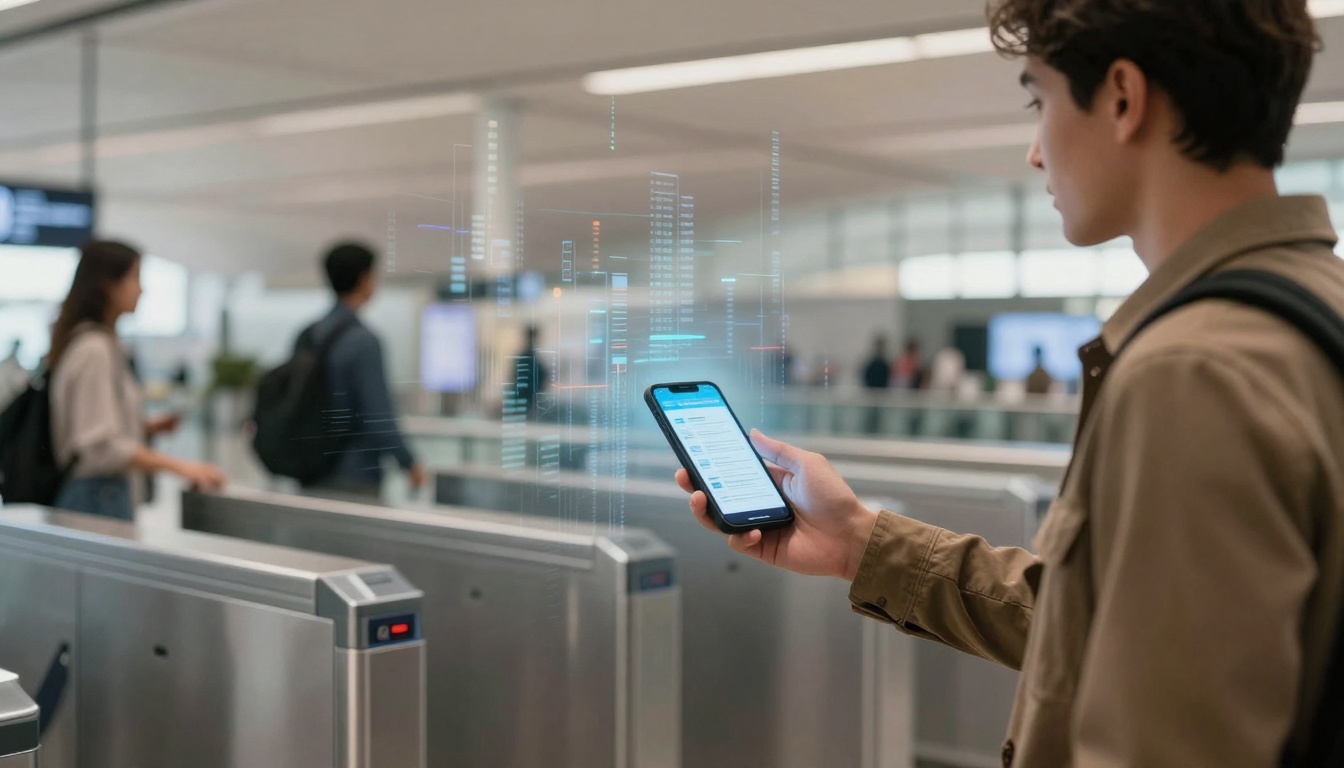
Picture this: Sarah rushes through a busy airport. She pulls out her phone, scans a digital ID app, and skips the long queue at check-in. No fumbling for passports. In seconds, she’s through security. Life feels smoother, faster. Now imagine the flip side. Every scan logs her location, her purchases, her habits. Governments or companies track her steps without a blink. Is this freedom or a trap?
In January 2026, digital ID systems surge ahead. The EU rolls out its Digital Identity Wallet by late year, letting citizens store IDs on phones for seamless use across borders. India tightens Aadhaar consent rules to protect user data in its massive biometric network. In the US, 41% of states offer mobile driver’s licences, with more testing pilots. These tools promise easy access to services. Yet fears grow over surveillance. Do they hand power to people or feed Big Brother? Both views hold weight. Safeguards will decide the path. Ready to hand over your digital keys?
How Digital IDs Simplify Daily Life
Digital IDs cut hassle from routine tasks. In Estonia, people file taxes in three minutes flat via phone. Sweden lets you book a doctor with one app tap. These systems save time and nerves. They also shield against scams and open doors for billions without papers.
Skip the Queues for Services and Benefits
Busy parents know the drill. Endless lines for welfare checks or clinic slots. Digital IDs change that. Tap your phone at a government office. Claim benefits without forms. In the EU, the wallet handles banking and travel logins by late 2026. US mobile driver’s licences work at TSA checkpoints in pilot states. No more repeats. A single scan proves eligibility. Imagine a mum grabbing groceries after a quick pension top-up. Relief washes over her face.
Build a Shield Against ID Thieves
Fraudsters steal identities daily. Digital IDs fight back with tough checks. Biometrics like face scans beat forged papers. India saved over $30 billion through Aadhaar’s fraud blocks. Criminals can’t fake claims for aid or loans. Picture a thief trying to drain your account. The system flags it instantly. You breathe easy, safe from the chase.
Keep Your Data in Your Pocket
Old IDs dump your full file to strangers. Digital wallets share just bits. Prove you’re over 18 without birthday or address. Self-sovereign identity puts you in charge. Zero-knowledge proofs hide extras. You control the flow. It feels like locking your house but lending only the key to the front door.
Digital IDs Taking Off Around the World
Momentum builds fast in 2026. Nations race to launch secure systems. The EU mandates wallets by December, though delays loom. India refines Aadhaar for a billion users. US states push mobile options. Global trends favour user-owned models. Standards clash, but progress rolls on. Check EU Digital Identity Wallet details for the full picture.
Europe Leads with Secure Wallets
The EU’s eIDAS 2.0 demands wallets from every member state by late 2026. Store ID, licences, diplomas in one app. Use it cross-border for jobs or rentals. Malta runs pilots now. Privacy tech fights fraud. Yet experts warn: not all nations hit deadlines. Bulgaria lags; the Netherlands doubts readiness. Still, it promises smooth travel and logins. For businesses, see what EUDI means in 2026.
India’s Giant Leap in Biometric IDs
Aadhaar covers over a billion. New consent rules limit data use. Scan for payments or rations without full exposure. QR codes speed checks via phone apps. It powers welfare and banking at scale. Updates curb misuse. Farmers get aid direct; no middlemen skim. The world’s biggest system shows muscle.
US States Pave the Way for Mobile IDs
41% of states live with mobile driver’s licences. Apple and Google wallets hold them. TSA accepts in tests. More states join pilots. Trends lean decentralised, user-held IDs. No central pot of data. Drivers flash phones at bars or flights. Convenience wins.
Global Shifts You Need to Watch
Self-sovereign identity hits $47 billion market. Continuous biometrics dodge deepfakes. Cross-border talks heat up.
When Easy IDs Turn into Watching Eyes
Convenience tempts, but shadows lurk. Central stores invite mega-hacks. Governments might demand IDs for every move. Anonymity fades in cashless spots. Authoritarian regimes twist tools for control. Self-sovereign dreams clash with real enforcement. Who watches the watchers?
Data Breaches: Your Info Up for Grabs
Big systems draw hackers. Even biometrics crack under pressure. Past breaches leaked millions. One slip, and thieves sell your life online. Trends show rising attacks. You share once; it haunts forever. Worry creeps in.
Tracking Without Consent
Mandatory IDs log paths. Airport scans, payment swipes build profiles. Location data piles up. Behaviour maps emerge. Travel or shop? They know. No opt-out in key spots. Privacy erodes bit by bit.
Power in Few Hands
Central hubs mean few control all. User-owned ideals falter without rules. Global standards fight. Strong nations push; others scramble. Global digital ID shifts highlight risks. Balance tips wrong without checks.
Smart Steps to Tip the Scales Toward Empowerment
Push consent laws like India’s updates. Demand self-sovereign setups on blockchain. Regular audits keep systems honest. Open standards aid cross-use. Educate users on controls. Future holds reusable KYC and AI agents for IDs. Balanced rollout serves all.
Digital IDs offer speed and safety, yet surveillance risks loom large. Weigh the wins against data traps. Back privacy-first rules. Track rollouts in your area. Demand you own your info. Picture a world of quick taps and locked secrets. Citizens thrive when control stays yours. Share your take below.