

Listen to this post: Keyword tracking tools compared: pros and cons (2026 guide)
You know the feeling. You open your rank tracker like it’s the morning weather report, and overnight your best keyword has moved three places without warning. After a Google update, those tiny arrows can feel personal.
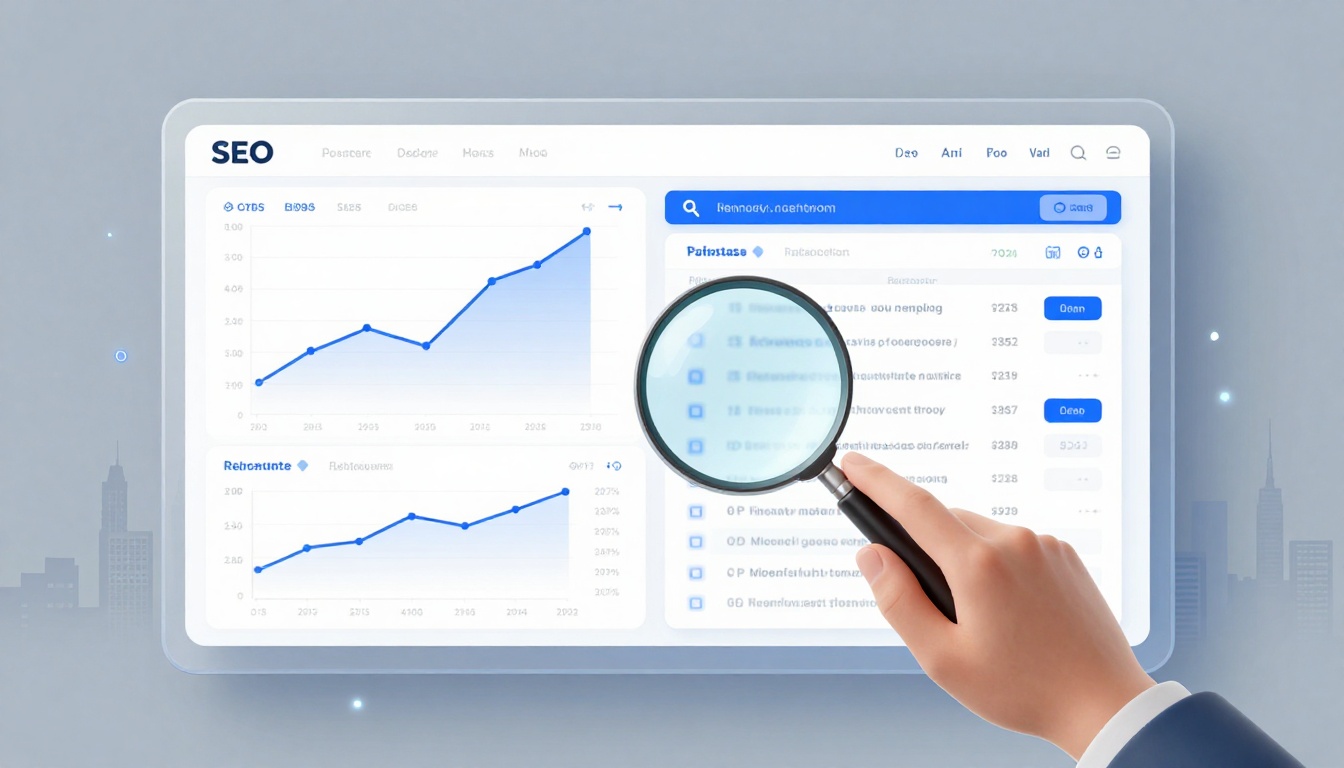
That’s exactly what keyword tracking tools do, they check where your pages show up in search results for a set of keywords, then chart changes over time. In January 2026, that job is still the core, but the brief has widened. More people now want to know whether their brand appears in AI-led answers too (think AI Overviews and chat assistants), not just the classic list of blue links.
This guide compares popular keyword tracking tools with clear pros and cons, so you can pick the right fit for your site, your clients, and your patience.
What to look for in a keyword tracking tool (before you compare brands)
Before you get pulled into feature lists, get clear on what you actually need. Rank tracking isn’t one-size-fits-all, a local plumber in Manchester needs different data than an online shop selling trainers nationwide.
Here’s a practical checklist to keep in mind:
- Update frequency: Daily tracking is enough for most sites; faster refresh matters when rankings swing quickly.
- Location and device options: You’ll want desktop vs mobile, and often city-level results for local SEO.
- SERP features tracking: A “SERP feature” is a special result type, like a featured snippet, “People also ask”, or a shopping carousel. These can steal clicks even if your rank stays the same.
- Local pack support: The “local pack” is the map and three local listings that often appear for local intent searches.
- Grouping and tagging: Helpful when you track 200 keywords and only care about 30 this week.
- Reporting and sharing: A tidy PDF or share link can save hours if you report to a boss or clients.
- AI visibility signals: Early tools now track mentions in AI answers, which can matter even when classic rankings hold steady.
Accuracy, update speed, and location tracking
A rank is not a single truth. It’s a snapshot from a place, a device, and a moment in time.
For most websites, daily updates are fine. You’re looking for trends, not a heartbeat monitor. Fast refresh starts to matter when you launch a new page, push a site migration, run a big PR campaign, or manage a large ecommerce catalogue where rankings can shift across thousands of pages.
Location tracking is where many tools earn their keep. A keyword like “emergency plumber” can look totally different across Manchester city centre, Salford, and Stockport. Good trackers let you set locations by city, and some go further with tighter targeting.
If you see “weird” rankings, common causes include personalisation, language settings, location drift, and plain old volatility after algorithm changes. The best tools reduce noise, but none remove it fully.
Reports, alerts, and who needs them
If it’s just you, you need clarity. A simple chart that shows whether you’re heading up or down is often enough.
If you’re an agency or in-house team, reports matter more than you’d like to admit. Look for scheduled reports, shareable links, notes on changes (so you can mark “new title tags” or “page refreshed”), and keyword tags (brand vs non-brand, product vs blog).
Alerts are the quiet hero feature. A drop alert means you react while the problem is still small, not when traffic has already fallen off a cliff.
Keyword tracking tools compared (pros and cons of the main options in 2026)
Below is a consistent, plain-English comparison of the tools you’ll see most in 2026. For broader roundups and feature checklists, these overviews can help you cross-check what’s on the market: Semrush’s SERP tracking tools list for 2026 and Nightwatch’s 2026 keyword rank tracker roundup.
SE Ranking vs Semrush vs Ahrefs (value vs depth)
These three come up constantly because they sit in the “main toolkit” category, not just rank tracking.
SE Ranking
- Best for: People who want an all-round SEO platform with strong rank tracking and practical reporting.
- Strongest pros: Very accurate daily tracking, good reporting and client features, plus extras like site audit and backlink tools.
- Real drawbacks: The interface can feel busy, and the data depth is not as large as the biggest platforms for enterprise-scale research.
- Who should skip it: If you only need a lightweight tracker and nothing else.
Semrush
- Best for: Teams that want deep competitor research, big keyword databases, and lots of SEO and PPC tooling in one place.
- Strongest pros: Solid position tracking with SERP features, strong competitor views, and broad research data across many countries.
- Real drawbacks: It’s premium priced (plans start around $139.95 per month, as commonly published), and it can be overkill if you just want rankings and alerts.
- Who should skip it: Solo site owners who won’t use most of the suite.
Ahrefs
- Best for: SEOs who live and breathe backlinks, content research, and visibility over time.
- Strongest pros: Excellent link data, reliable rank tracking, strong content and keyword research workflows, plus newer AI-era features like brand mention monitoring (often discussed under tools like Brand Radar).
- Real drawbacks: Pricey for small sites, and the product feel leans more towards link and content work than “rank tracking first”.
- Who should skip it: If you need client-ready reporting dashboards as your main output.
Quick way to think about it: SE Ranking often feels like value and practicality, Semrush feels like breadth and competitive depth, Ahrefs feels like authority in links with strong visibility tools alongside.
AccuRanker vs Nightwatch (speed vs budget)
These tools are closer to the “specialist tracker” camp. You bring them in when you want ranking data you can trust, quickly.
AccuRanker
- Best for: Agencies and large sites that need fast refresh and high confidence in the numbers.
- Strongest pros: Very fast updates (including on-demand refresh), strong location and device tracking, and clear views by landing page and competitor.
- Real drawbacks: It’s priced for power users (often listed from around $249 per month), and it doesn’t try to be a full SEO suite.
- Who should skip it: Smaller sites that only check rankings weekly.
Nightwatch
- Best for: Marketers who want a focused rank tracker with strong visuals and local tracking, without paying suite-level pricing.
- Strongest pros: Clear charts, solid daily tracking, useful for mobile and local SEO.
- Real drawbacks: A smaller ecosystem than the big all-in-one platforms, and fewer extras if you want deep backlink or keyword database work.
- Who should skip it: Teams that want one platform for everything.
Scaling note: specialist trackers can get expensive as keyword counts rise. Make sure the tool still makes sense when you move from 200 keywords to 2,000.
AI-era tracking tools (ClickRank, Search Atlas, Otterly AI)
Classic rank tracking answers “Where do we rank?”. These newer tools often try to answer “What should we do next?” and “Are we showing up in AI answers?”
ClickRank
- Best for: People who want rank tracking with action-led reports.
- Strongest pros: Daily tracking, “Winners vs Losers” style views, and CTR-focused insights (useful when you rank but don’t get clicks).
- Real drawbacks: Newer product category, smaller ecosystem than the established suites.
- Who should skip it: If you need years of historical data inside one platform.
Search Atlas
- Best for: Agency-style workflows that bundle rank tracking with content and link processes.
- Strongest pros: An all-in-one approach with AI-supported content tooling and recommendations.
- Real drawbacks: Can feel built for agency teams, and has fewer community tutorials than the biggest brands.
- Who should skip it: Beginners who want a simple tracker screen and nothing else.
Otterly AI
- Best for: Early adopters tracking AI search visibility alongside standard rankings.
- Strongest pros: Focus on AI search presence, plus keyword and intent grouping.
- Real drawbacks: New and still forming standards, it may not replace a full SEO suite yet.
- Who should skip it: Anyone who wants a mature, conventional reporting format for clients.
Here’s a quick match snapshot:
| Tool type | Good fit when | Main trade-off |
|---|---|---|
| All-in-one suites (SE Ranking, Semrush, Ahrefs) | You want research, audits, and tracking together | More features to learn, higher cost at scale |
| Specialist trackers (AccuRanker, Nightwatch) | You care most about clean rank data and speed | Fewer “extra” SEO tools |
| AI-era tools (ClickRank, Search Atlas, Otterly AI) | You want next-step suggestions and AI visibility | Newer category, reporting norms vary |
How to choose the right tool for your goals (quick match guide)
Start small, then expand. Track your most important pages and keywords first, prove the tool is accurate for your location and niche, then grow the list once you trust it.
Free trials help, but only if you test like you mean it. Don’t just admire the dashboard, try to break it with real work.
Best picks for common situations (solo site, local business, agency, ecommerce)
Solo site owner: A value-focused all-rounder usually wins, you’ll use more of the platform over time than you expect.
Local business: Pick a tracker with strong local pack and city-level tracking, and make sure mobile results are easy to view.
Agency: Reporting, sharing, and account structure matter as much as accuracy. A specialist tracker can pair well with a separate research suite.
Ecommerce: You’ll want grouping, tagging, and reliable tracking for category pages, product pages, and long-tail queries that convert.
A simple trial plan to avoid buying the wrong tool
Run a 7 to 14-day trial with intent:
- Track a mix of head terms and long-tail keywords, plus a few brand terms.
- Set locations that match your real customers (city level for local work).
- Compare desktop vs mobile rankings for the same keywords.
- Add 2 to 3 competitors and check if the views feel believable.
- Export or schedule a report, then ask, “Would I send this as-is?”
- Set one alert for a meaningful drop and see if it fires at the right time.
- At the end, audit what you actually used each week, not every feature on the sales page.
Conclusion
Rank trackers are like compasses, not crystal balls. The best keyword tracking tool is the one you’ll check often, and trust when it tells you something changed.
Value-focused all-rounders suit most teams, premium suites suit deep research needs, speed-first trackers suit busy sites and agencies, and the new AI visibility tools suit anyone who cares where they appear in AI answers as search habits shift. Pick one tool, run a tight trial on your top pages, then commit to a weekly review that turns data into action.