





Listen to this post: Why Sitting With Your Own Thoughts Feels So Unbearable Now
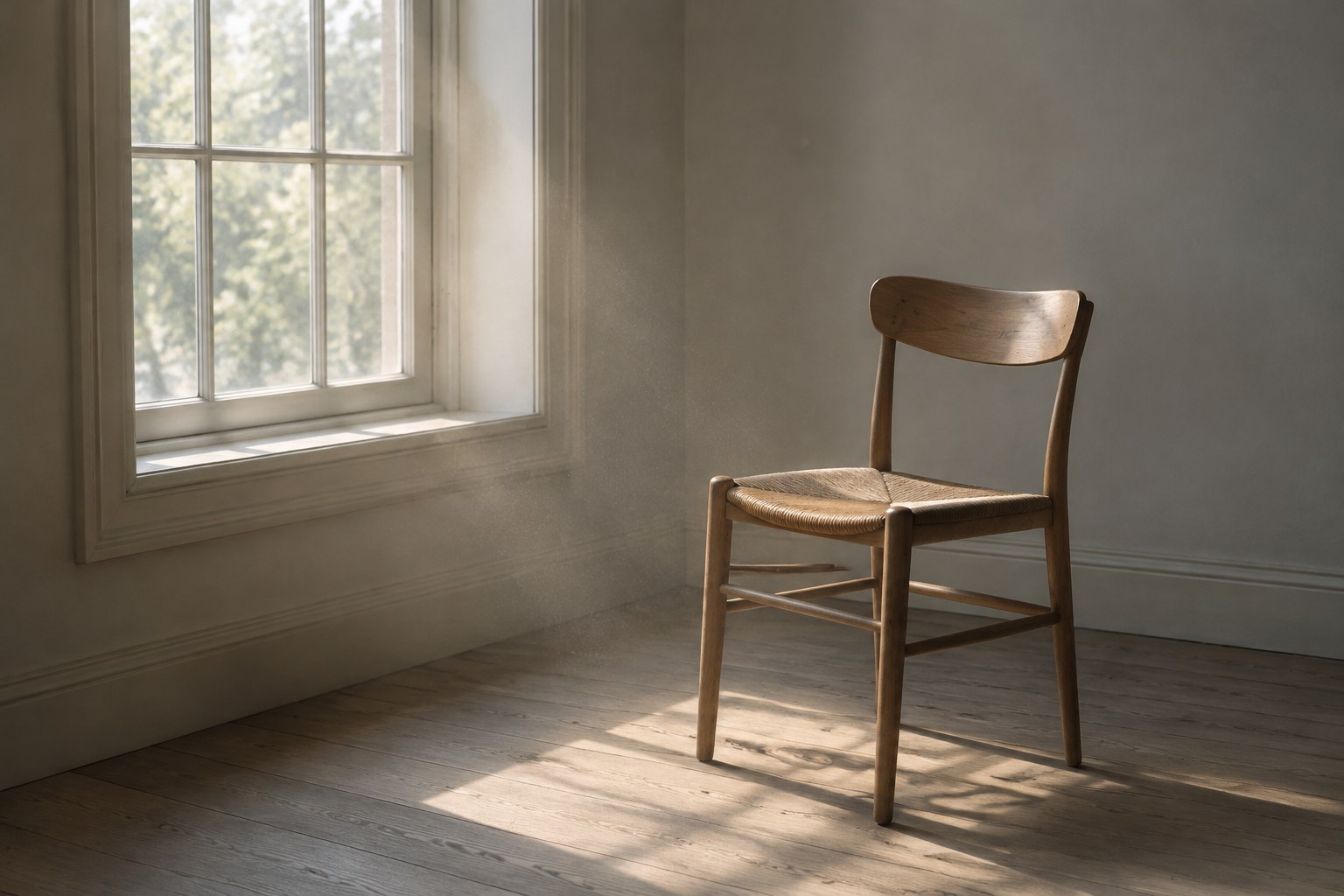
In 2014, a group of psychologists at the University of Virginia asked a few hundred people to do something that sounds almost insultingly simple: sit alone in a bare room for somewhere between six and fifteen minutes with absolutely nothing to do. No phone, no book, no music. Just them and their own thoughts. The one piece of equipment in the room was a small device that could deliver a mild electric shock, the same one participants had already tried once and said, on the record, that they’d pay money to avoid feeling again. Left alone with nothing but their own minds, a striking number of them pressed the button anyway. Some pressed it more than once, apparently preferring a jolt of actual pain to a few more minutes of quiet.
The study made the rounds at the time mostly because of that detail, but the quieter finding underneath it has aged better: almost nobody in that room enjoyed sitting there. Boredom isn’t a mild inconvenience we’ve gotten slightly worse at tolerating since smartphones arrived. It behaves more like a low, specific discomfort, one that most of us will do nearly anything to switch off, including things that don’t actually help.
Why an empty ten minutes feels like an itch you can’t scratch
Unstructured attention is oddly demanding. The moment nothing is asking anything of you, your mind tends to drift toward whatever’s unresolved: the email you haven’t answered, the thing you said that came out wrong, the vague sense that you should be doing something else. Psychologists sometimes call this the default mode network doing its restless, self-referential work. It’s not dangerous, but it’s rarely pleasant, and it’s the reason a red traffic light or a slow checkout line can feel so disproportionately irritating. You’re not actually upset about the wait. You’re upset about being handed a few unoccupied minutes with nowhere to put them.
The phone solves this in under a second, which is exactly the problem. It doesn’t ask you to sit with the discomfort long enough to learn anything about it, the way, say, an actually boring meeting might teach you that your mind can wander productively if you let it. It just removes the gap. And a removed gap, repeated often enough, starts to feel like the only acceptable way to exist between tasks.
The scroll that leaves you more wired, not less
Here’s the part that’s easy to miss: reaching for the phone doesn’t actually resolve that low hum of restlessness, it mostly just swaps it for a different flavor of the same thing. Researchers who study attention have a useful distinction between what they call hard and soft fascination. Soft fascination is the kind of gentle, undemanding attention you give to clouds, a fire, or a repetitive task with your hands, the sort of thing environmental psychologists have found genuinely restores a tired mind. Hard fascination is what a feed is built from, attention yanked from one sharp, urgent thing to the next with no room left over for your mind to idle. News, outrage, other people’s crises, a stranger’s holiday — it’s riveting, but it’s the opposite of rest, which is a big part of why fifteen minutes of scrolling in a waiting room can leave you feeling more keyed up than when you sat down, not less.
This tracks with what people actually report about doomscrolling: it rarely feels good in the moment it’s happening, and it almost never feels good afterward, yet it keeps winning out over simply sitting there. That’s not a willpower failure so much as a design mismatch. We’re trying to solve a soft-fascination problem — an unoccupied mind that wants somewhere gentle to rest — with a hard-fascination tool that was built to do the opposite.
A setting between numb and overstimulated
What seems to actually work is something in the middle: a task small enough to occupy the restless part of your attention without giving it anything urgent to latch onto. This is roughly the appeal behind the recent, slightly bigger-than-niche boom in what people online have started calling cozy games — tidy little apps with no countdown timer, no leaderboard, nothing that can meaningfully go wrong. A few friends of mine now keep one of these around specifically for the moments when they’re restless but don’t want another news cycle: in a waiting room, on a delayed train, or lying awake with a mind that won’t quite downshift. One that gets reached for a lot in that group is a small, bird-themed logic puzzle called Nestled, which is about as low-stakes as a game gets — there’s nothing to lose, nowhere to rank, just a tidy little problem to nudge into place.
It isn’t a cure for boredom, and it probably shouldn’t be. Some of that unoccupied, slightly uncomfortable stretch of attention is where ideas actually come from — the solved problem in the shower, the sentence that finally clicks on a walk. The goal isn’t to fill every gap. It’s just to have something gentler than a shock button, or a feed built to argue with you, for the gaps you’d rather not sit through raw. Next time you catch yourself reaching for your phone out of pure restlessness rather than any real need, it’s worth noticing which kind of attention you’re actually asking for, and reaching for something closer to it.